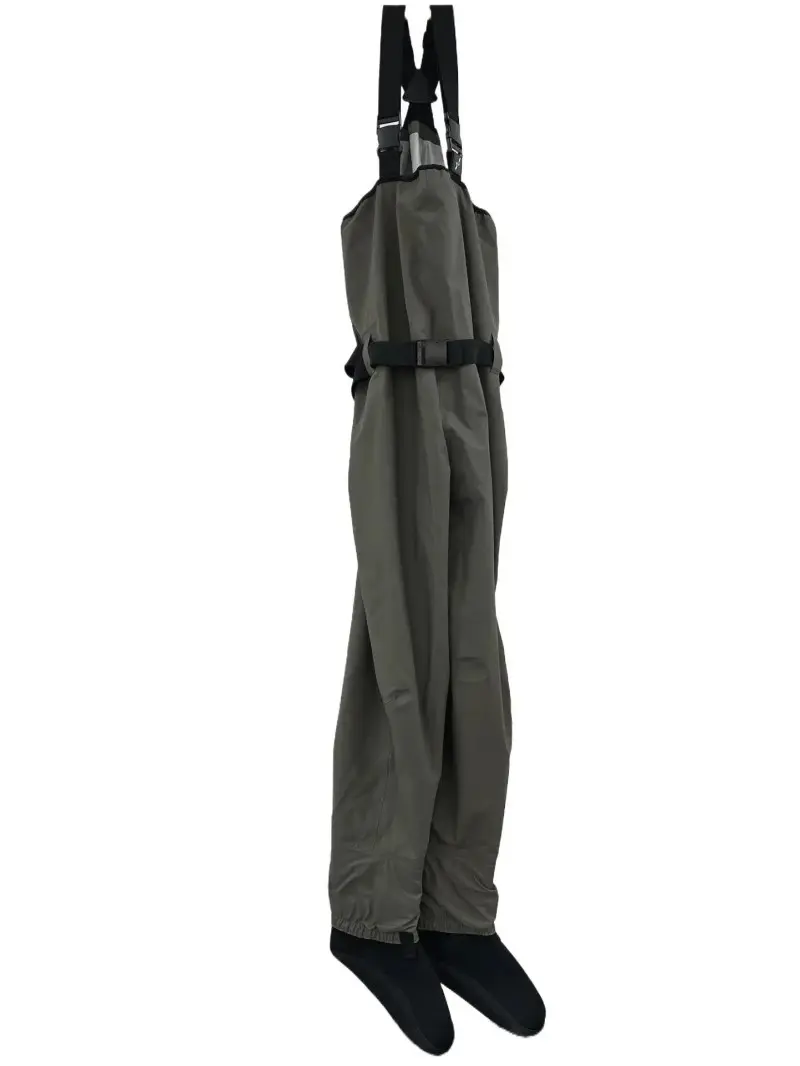
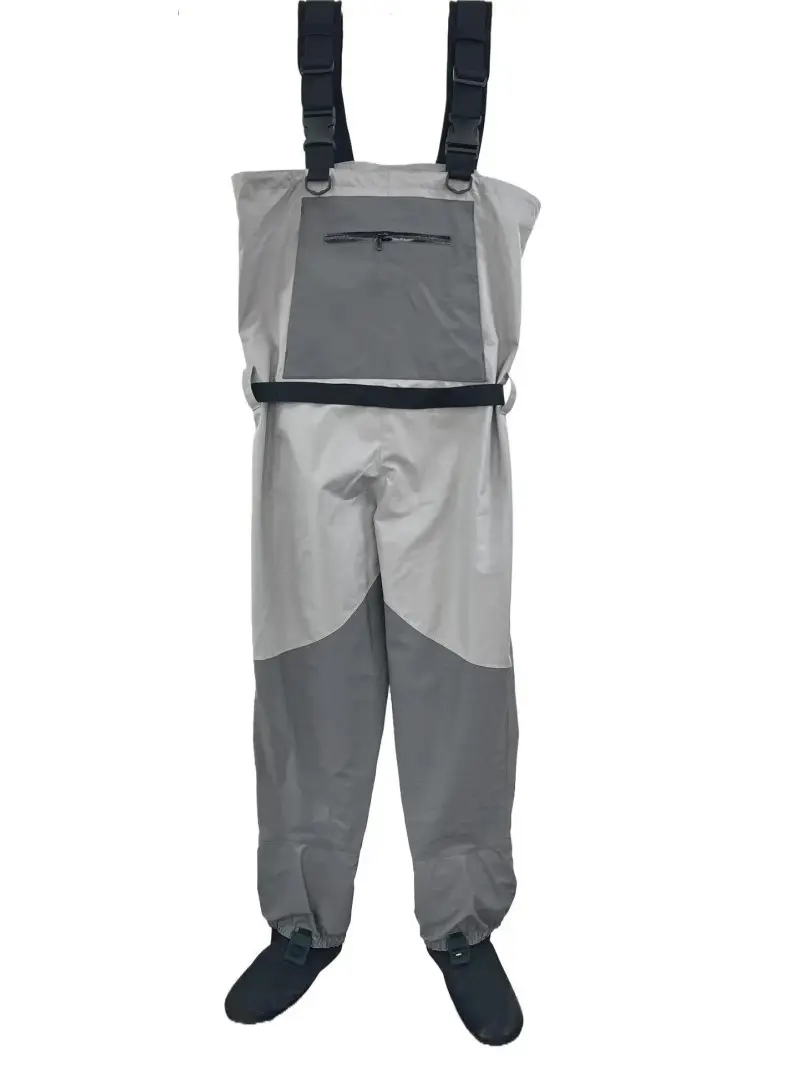
Selecting the right fly fishing waders can make the difference between an enjoyable day on the water and a frustrating experience fighting with uncomfortable gear. Modern fly fishing waders have evolved significantly, offering anglers unprecedented levels of mobility and breathability while maintaining essential waterproof protection. Whether you're a seasoned angler or just starting your fly fishing journey, understanding how to choose waders that match your needs will enhance your time on the water and potentially improve your fishing success.
Today's fly fishing waders combine advanced materials and construction techniques to deliver superior performance. From lightweight breathable materials to reinforced knee panels and ergonomic designs, manufacturers are constantly innovating to help anglers stay comfortable and mobile during long days of casting and wading. This comprehensive guide will help you navigate the key considerations and features to look for when selecting your next pair of fly fishing waders.
The evolution of fly fishing waders has been largely driven by advances in breathable fabric technology. Contemporary waders typically feature multiple layers of waterproof, breathable materials like Gore-Tex or proprietary membranes. These materials work by preventing water molecules from entering while allowing water vapor from perspiration to escape, keeping you dry from both outside and inside.
The most effective fly fishing waders utilize three to five layers of material, with each layer serving a specific purpose. The outer layer provides durability and abrasion resistance, while the middle layers incorporate the waterproof-breathable membrane. Inner layers focus on comfort and moisture management, working together to create a comfortable microclimate for the angler.
Quality fly fishing waders incorporate additional material layers in high-wear areas such as the knees, seat, and lower legs. These reinforced zones help prevent premature wear from contact with rocks, branches, and other obstacles encountered while wading. The best waders balance durability with flexibility, ensuring these reinforced areas don't restrict movement or create stiff spots that could impact mobility.
Look for waders that use intelligent placement of reinforcement panels, avoiding excess material in areas where mobility is crucial. Some manufacturers have developed special abrasion-resistant materials that provide protection without adding bulk or weight, maintaining the waders' overall flexibility and comfort.
Modern fly fishing waders are designed with articulated joints and gusseted crotch areas to allow natural movement while wading and casting. These anatomical features prevent binding and restriction, especially important during challenging wades or when navigating difficult terrain. The best waders incorporate pre-bent knee designs and strategic seam placement to enhance range of motion.
Leading manufacturers now use body mapping technology to create waders that match human anatomy and movement patterns. This results in designs that flex and move with the angler, reducing fatigue and improving overall comfort during long days on the water.
A well-designed belt system is crucial for both safety and mobility in fly fishing waders. Modern waders feature integrated belt loops and adjustable suspenders that can be fine-tuned for a perfect fit. These adjustment points allow anglers to customize the fit while ensuring the waders stay secure during active movement.
Look for waders with multiple adjustment points around the chest and waist, allowing for a more personalized fit that accommodates different body types and layering preferences. Some advanced models include elastic panels or stretch zones that provide additional flexibility without compromising waterproof integrity.
Advanced fly fishing waders incorporate sophisticated moisture management systems that work to keep anglers comfortable in varying conditions. These systems include both the breathable membrane technology and additional features like ventilation ports and moisture-wicking inner layers. The best waders balance waterproof protection with optimal breathability to prevent overheating during active fishing.
Some manufacturers have developed innovative solutions like body-mapped ventilation zones that provide enhanced breathability in areas where anglers tend to generate the most heat. These strategic design elements help maintain comfort during intense activity or in warm weather conditions.
Quality fly fishing waders often include features designed to help regulate temperature across different seasons and conditions. This might include removable insulation layers, adjustable vents, or materials that adapt to changing activity levels. The goal is to maintain comfort whether you're actively hiking to a fishing spot or standing in cold water for extended periods.
Look for waders that offer versatility in temperature management, allowing you to adapt to changing conditions throughout the day or season. Some models feature convertible designs or modular components that can be adjusted based on weather and activity level.
Investing in fly fishing waders that offer both performance and longevity requires attention to construction quality and maintenance features. Look for reinforced seam construction, quality stitching, and materials rated for extended use. The best waders include features that make maintenance and repairs easier, such as replaceable booties or repair patches.
Regular maintenance can significantly extend the life of your waders. Choose models with clear care instructions and easily accessible areas for cleaning and inspection. Some manufacturers offer repair services or warranty programs that can provide additional value over the long term.
Modern fly fishing waders often include thoughtful features for storage and transport. Look for integrated pockets for essential items, D-rings for attaching accessories, and design elements that make packing and storing the waders easier. Some models include dedicated storage bags or compression systems that help protect the waders when not in use.
Consider how you'll be transporting and storing your waders when making your selection. Features like quick-dry materials and built-in hanging loops can make maintenance and storage more convenient, especially for frequent use.
Fly fishing waders should fit snugly but not tight, allowing room for base layers while maintaining freedom of movement. The neoprene booties should match your boot size exactly, and the leg length should allow for comfortable bending without excess material bunching at the ankles. A proper fit ensures both comfort and safety while wading.
To maintain breathable waders, rinse them with fresh water after each use and hang dry them inside out. Avoid storing them in direct sunlight or compressed conditions. Regularly inspect seams and repair any small holes promptly using manufacturer-approved repair kits. Proper care can significantly extend the life of your waders.
The choice between stockingfoot and bootfoot waders depends on your specific needs. Stockingfoot waders offer more versatility and customizable fit through separate wading boots, while bootfoot waders provide convenience and are often preferred for cold weather fishing. Consider your primary fishing conditions and personal preferences when making this decision.

 EN
EN