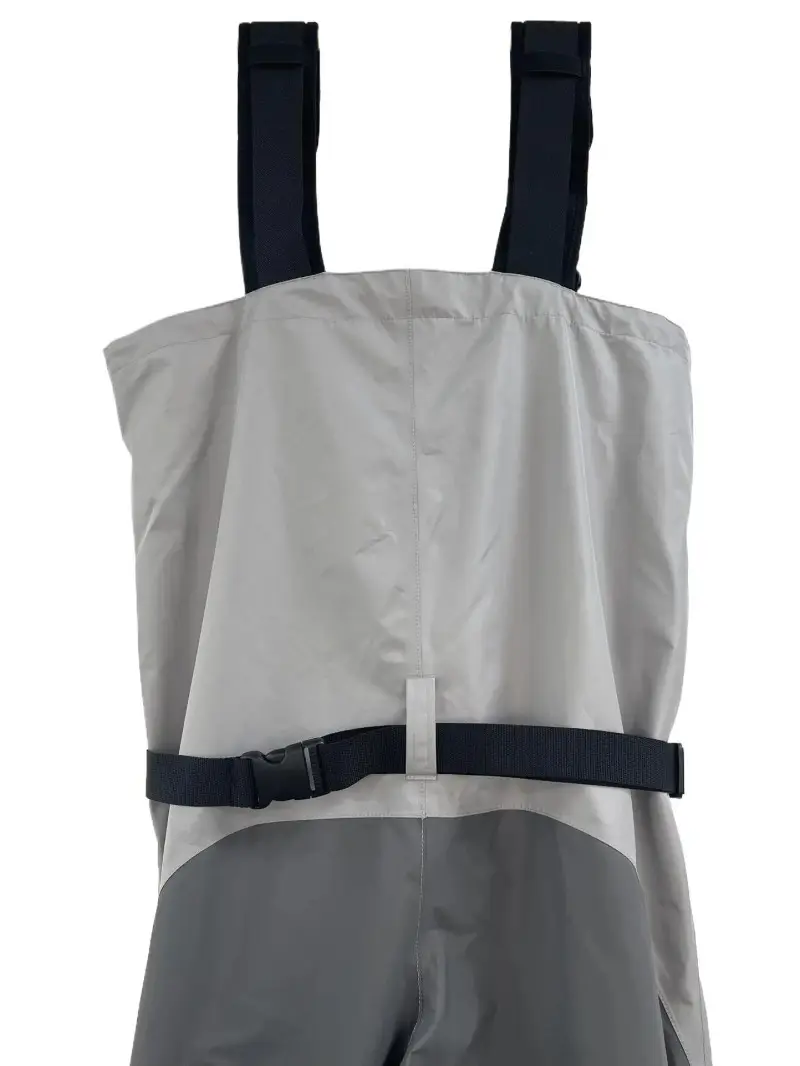
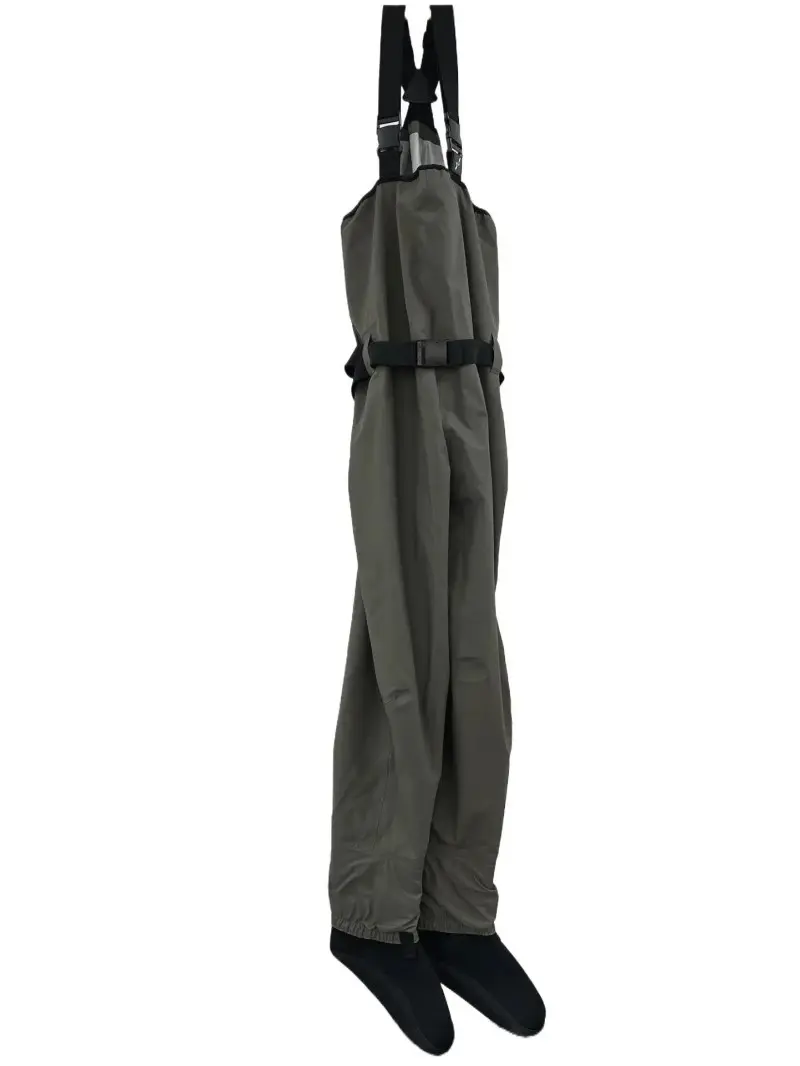
When venturing into deep waters for fishing, hunting, or professional work, having reliable full body waders can make the difference between a successful expedition and a miserable experience. These specialized waterproof garments serve as your primary defense against water, keeping you dry and comfortable while allowing freedom of movement in challenging environments. Whether you're a seasoned angler or just starting your outdoor adventures, understanding how to select the right full body waders is crucial for your comfort and safety.
The world of waders has evolved significantly, offering various materials, styles, and features designed for specific applications. From lightweight breathable options to heavy-duty rubber constructions, each type serves a unique purpose. This comprehensive guide will walk you through everything you need to know about choosing the perfect full body waders for your specific needs.
Neoprene full body waders have long been a popular option, especially for cold-water activities. These waders offer excellent insulation and durability, making them ideal for winter fishing and hunting. The material typically comes in different thicknesses, ranging from 3mm to 5mm, with thicker options providing more warmth but less flexibility.
The main advantage of neoprene lies in its natural buoyancy and ability to maintain warmth even when compressed. However, these waders can become quite warm during active use in milder conditions, which might lead to uncomfortable sweating. They're best suited for stationary activities in cold environments or deep-water situations where insulation is paramount.
Contemporary full body waders often feature breathable materials like Gore-Tex or similar proprietary fabrics. These materials allow perspiration to escape while preventing water from entering, creating a more comfortable experience during active use. The multi-layer construction typically includes a durable outer layer, a waterproof membrane, and a comfortable inner lining.
These advanced materials have revolutionized wader design, making them suitable for year-round use. They're particularly effective during warmer months or when engaging in high-energy activities, as they help regulate body temperature more effectively than traditional materials.
Proper sizing is crucial when selecting full body waders. Unlike regular clothing, waders require specific measurements to ensure both comfort and functionality. Key measurements include inseam length, chest circumference, and overall height. It's important to wear the clothing you plan to use under your waders when taking measurements, as this will affect the final fit.
Remember that different manufacturers may have varying size charts, so always consult the specific brand's sizing guide. Many experienced users recommend sizing up slightly to accommodate additional layers during cold weather, but avoid going too large as excess material can create dangerous folds and compromise mobility.
The choice between boot foot and stocking foot full body waders significantly impacts fit and functionality. Boot foot waders come with permanently attached boots, offering convenience and immediate usability. However, they provide less customization in terms of foot fit and support.
Stocking foot waders feature neoprene booties that require separate wading boots. While this means an additional purchase, it allows for better customization of foot support and the ability to replace worn boots without replacing the entire wader. This option typically provides better ankle support and a more precise fit for technical wading situations.
Modern full body waders come equipped with various storage options. Look for designs featuring handwarmer pockets, chest pockets for tools and accessories, and internal storage compartments. These features enhance functionality and convenience during extended use. The placement and security of these storage options should align with your specific activities and needs.
Consider whether you need waterproof pockets for electronics or quick-access options for frequently used items. Some premium waders offer D-rings for attaching accessories and tool holders, which can be invaluable for certain applications.
Quality full body waders should include reinforced areas at common wear points. Look for double-layered knees, seat areas, and shin guards. These reinforcements significantly extend the life of your waders and provide additional protection when kneeling or moving through rough terrain.
Some models feature adjustable suspenders, built-in gravel guards, and reinforced boot seams. These elements contribute to both durability and functionality, ensuring your investment lasts longer under demanding conditions.
Regular maintenance of full body waders extends their lifespan and ensures continued waterproof performance. After each use, rinse your waders with fresh water to remove dirt, salt, and debris. Pay special attention to seams and reinforced areas where contamination might accumulate. Use mild soap when necessary, but avoid harsh detergents that could damage the waterproof materials.
Allow waders to dry completely before storage, preferably hanging them in a well-ventilated area away from direct sunlight. This prevents mold growth and material degradation. For boot foot waders, consider using boot trees or stuffing with newspaper to maintain shape and absorb moisture.
Proper storage is crucial for maintaining the integrity of full body waders. Store them hanging or loosely folded in a cool, dry place away from direct sunlight and heat sources. Avoid sharp objects and rough surfaces that could cause punctures or tears. Regular inspection of seams and material condition helps identify potential issues before they become major problems.
Keep a repair kit handy for emergency fixes in the field. Many manufacturers provide specific repair materials and instructions for their products. Small punctures or tears can often be effectively sealed with appropriate patches and sealants, extending the usable life of your waders.
Full body waders should fit comfortably with enough room to layer clothing underneath while avoiding excess material that could restrict movement. The chest area should allow deep breathing without tension, and the inseam should provide full leg mobility without binding or pulling.
With proper care and maintenance, high-quality full body waders typically last 3-5 years of regular use. However, this can vary significantly based on frequency of use, storage conditions, and exposure to harsh environments. Premium models with reinforced construction may last even longer.
Turn your waders inside out in a dark room and shine a bright flashlight against the material. Look for any spots where light penetrates through, indicating potential leak points. You can also fill the feet with water and check for seepage, though this method should be used cautiously to avoid damaging the waders.

 EN
EN