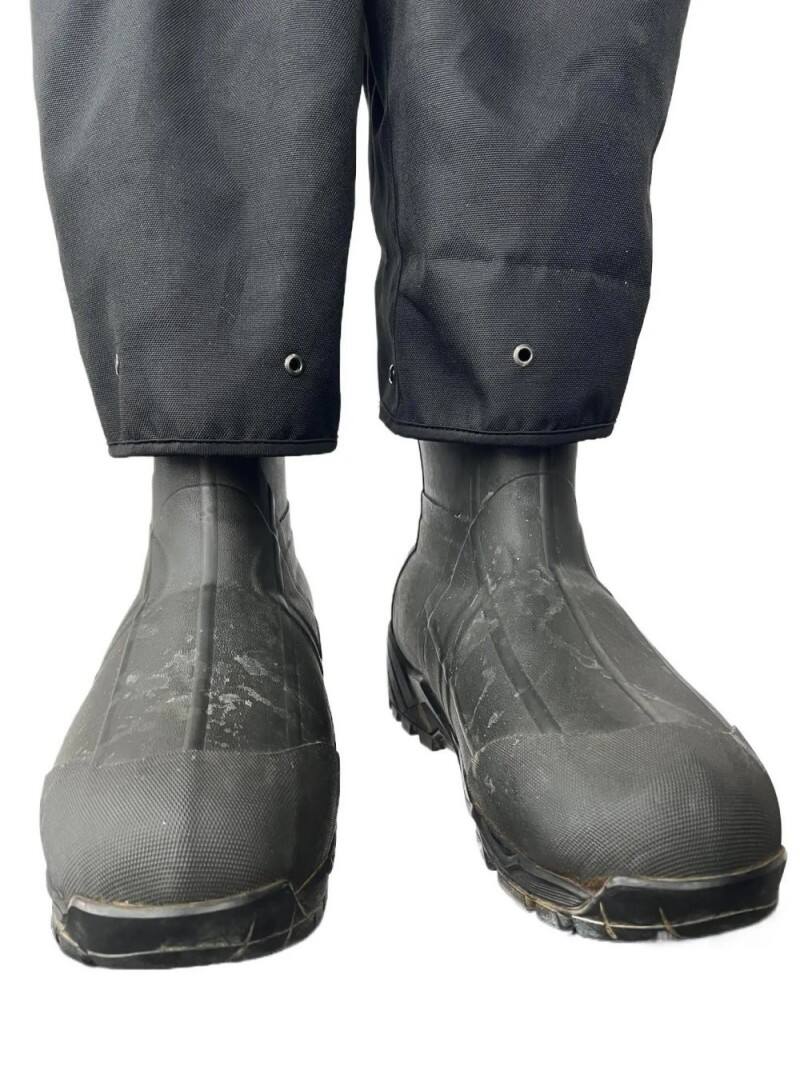
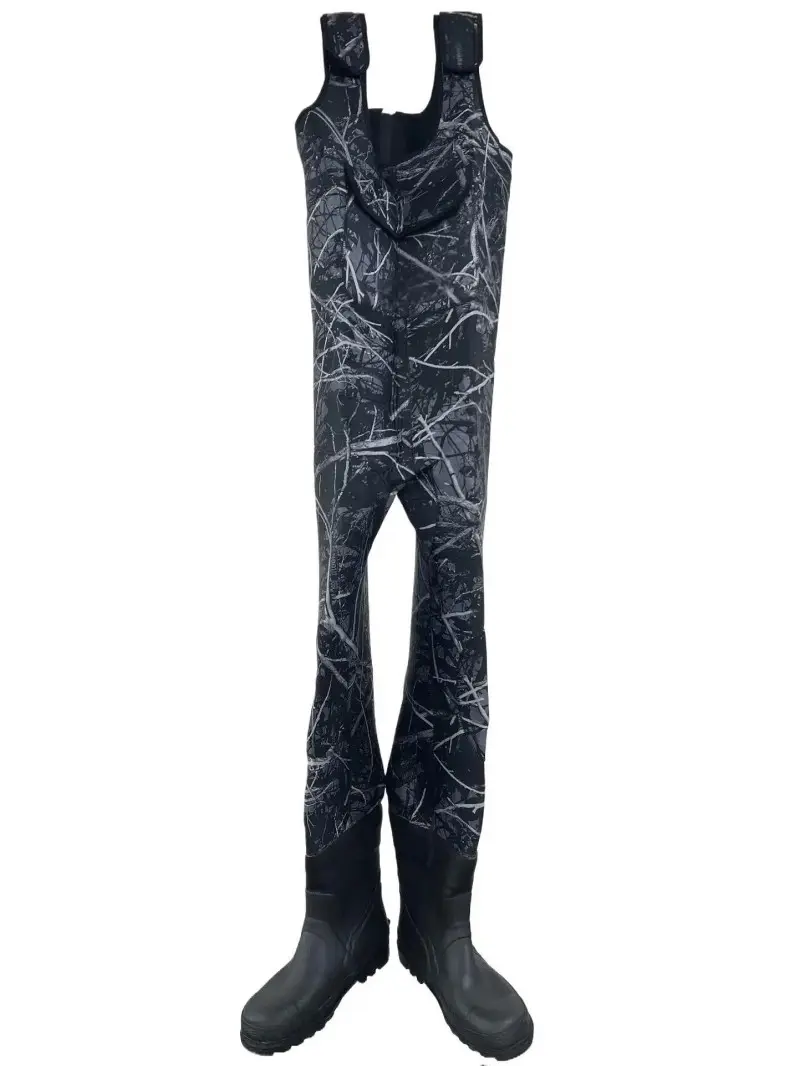
When it comes to outfitting your team or stocking your outdoor retail business, selecting the right chest waders in bulk quantities requires careful consideration of multiple factors. The quality of chest waders can significantly impact user satisfaction, safety, and your bottom line. Whether you're supplying fishing guides, environmental researchers, or outdoor enthusiasts, understanding the key elements that make up superior chest waders is crucial for making informed bulk purchasing decisions.
In today's market, chest waders come in various materials, styles, and price points. Making the right choice involves balancing durability, comfort, and cost-effectiveness while ensuring the products meet your specific requirements. This comprehensive guide will walk you through the essential aspects of selecting high-quality chest waders for bulk orders, helping you make confident decisions that satisfy both your business needs and end-user expectations.
The foundation of any high-quality chest waders lies in its materials. Modern chest waders typically feature either neoprene or breathable fabric construction. Neoprene offers excellent insulation and durability, making it ideal for cold-water applications. Premium breathable materials, such as Gore-Tex or similar membranes, provide superior comfort during extended wear, especially in varying temperatures.
When evaluating materials for bulk orders, pay special attention to the denier rating of the fabric. Higher denier numbers indicate greater durability and puncture resistance. Look for reinforced knees and seat areas, as these high-wear zones often determine the overall lifespan of chest waders.
Superior seam construction is crucial for preventing leaks and ensuring longevity. The best chest waders feature double-taped seams with additional reinforcement at critical stress points. Vulcanized rubber seams offer exceptional durability, while sonic welded seams provide excellent waterproofing without adding bulk.
Request detailed information about the manufacturing process and seam testing procedures. Quality manufacturers will employ rigorous quality control measures, including pressure testing each pair of chest waders before shipping.
When selecting chest waders for bulk purchase, evaluate key design features that enhance user experience and functionality. Look for adjustable suspenders with quick-release buckles, which accommodate different body types and facilitate easy on-off. Internal storage pockets should be waterproof and accessible, while external D-rings and attachment points offer versatility for gear management.
Consider the boot design carefully, as it significantly impacts user comfort and safety. Integrated boots should feature quality insulation, proper ankle support, and slip-resistant soles. Some manufacturers offer models with interchangeable boot systems, providing additional flexibility for your bulk order.
Superior chest waders incorporate design elements that enhance mobility and comfort during extended use. Articulated knees and groin gussets allow for natural movement and reduce fabric stress during activities like climbing banks or crossing streams. High-end models often include anatomically correct boot designs and ergonomic fit patterns that minimize fatigue.
Consider options with adjustable waist belts and chest straps, as these features improve fit customization and safety. Some manufacturers offer women-specific designs, which may be relevant depending on your target user base.
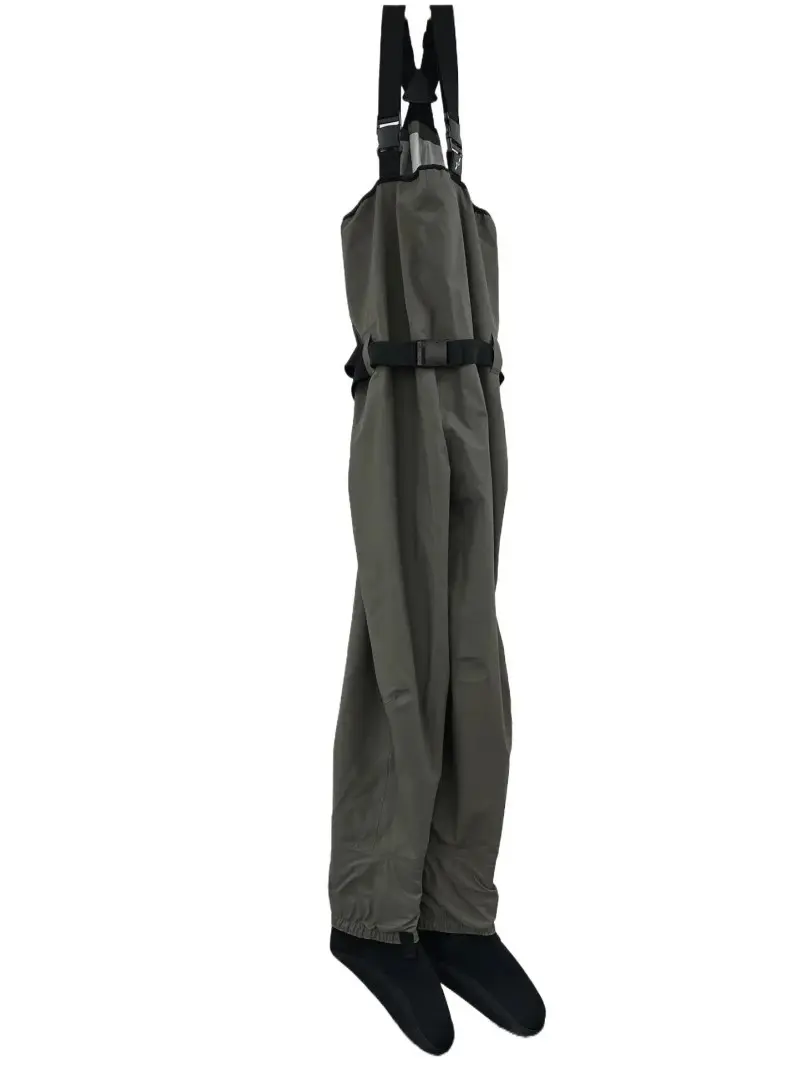
Successful bulk orders of chest waders require careful attention to sizing distribution. Work with manufacturers who provide detailed sizing charts and measurement guidelines. Consider ordering a size run sample before placing large orders to verify fit consistency across different sizes.
Many suppliers offer stock sizing in regular, king, and tall options. Understanding your end-users' demographics will help determine the optimal size distribution for your order. Remember to account for layering beneath the waders when selecting sizes.
Some manufacturers offer customization options for bulk orders, including modified boot sizes, alternative materials, or branded elements. These options can add value to your order but may affect minimum order quantities and lead times. Evaluate the cost-benefit ratio of customization against your specific needs and market demands.
Consider whether bootfoot or stockingfoot options better suit your requirements. Stockingfoot models offer more flexibility in boot selection but require separate wading boots, while bootfoot versions provide an all-in-one solution.
Verify that your chosen chest waders meet relevant industry standards and certifications. Quality manufacturers should provide documentation of testing procedures and compliance with safety regulations. Request information about quality control processes, including leak testing protocols and material strength verification.
Consider suppliers who offer batch testing services or allow inspection of products before shipment. This can help ensure consistency across large orders and minimize potential quality issues.
Strong warranty programs indicate manufacturer confidence in product quality. Compare warranty terms, coverage periods, and claim processes among different suppliers. Look for manufacturers who offer clear warranty documentation and efficient resolution procedures for bulk order customers.
Consider suppliers who provide after-sales support, including repair services and replacement parts availability. These factors can significantly impact long-term customer satisfaction and reduce warranty-related complications.
Minimum order quantities typically range from 20 to 50 pairs, depending on the manufacturer and specific model. Some suppliers may offer tiered pricing structures for larger orders, with significant discounts available for quantities exceeding 100 pairs.
Analyze your target market's demographics and historical sales data if available. A common distribution might be 15% small/medium, 50% large/extra large, and 35% XXL/XXXL, but this can vary significantly based on your specific customer base. Many suppliers can provide guidance based on typical ordering patterns.
Key durability indicators include material denier rating, seam construction method, reinforcement in high-wear areas, and boot quality. Look for independent testing results and user reviews from similar applications to your intended use. The manufacturer's warranty terms often reflect their confidence in product durability.

 EN
EN