Selecting the right fly fishing waders for bulk orders requires careful consideration of multiple factors that directly impact both performance and profitability. Whether you're a retailer stocking your inventory or an outfitter equipping multiple guides, understanding the key characteristics of quality waders ensures customer satisfaction and long-term business success. The fishing industry demands equipment that withstands harsh conditions while providing comfort and functionality for extended periods on the water.
Modern anglers expect their waders to deliver exceptional durability, breathability, and waterproof protection regardless of fishing conditions. The market offers various options from budget-friendly alternatives to premium models, making it essential to balance quality with cost-effectiveness when placing bulk orders. Understanding material technologies, construction methods, and sizing considerations helps procurement professionals make informed decisions that satisfy end users while maintaining healthy profit margins.
The foundation of quality fly fishing waders lies in their breathable membrane technology, which determines comfort levels during extended fishing sessions. Gore-Tex remains the gold standard for breathable waterproof membranes, offering excellent moisture vapor transmission while maintaining complete waterproof integrity. However, proprietary membrane systems from various manufacturers now provide comparable performance at different price points, making it crucial to evaluate specifications rather than relying solely on brand recognition.
Three-layer construction typically offers superior durability compared to two-layer alternatives, as the inner protective layer shields the membrane from abrasion and chemical degradation. When evaluating bulk orders, consider the intended use environment and customer expectations to determine the appropriate membrane technology level. Professional guides and frequent anglers benefit from premium membrane systems, while occasional users may find mid-range options perfectly adequate for their needs.
Fabric denier ratings indicate the weight and thickness of the outer shell material, directly correlating to puncture resistance and overall durability. Higher denier fabrics typically range from 4-layer 210D to heavy-duty 420D constructions, with each offering distinct advantages depending on fishing environments. Rocky streams and thick vegetation require higher denier ratings to prevent punctures, while smooth river bottoms allow for lighter, more comfortable options.
Reinforcement placement also significantly impacts wader longevity, with critical stress points requiring additional material layers or specialized treatments. Quality manufacturers reinforce knees, seat areas, and boot attachment points using double-layer construction or abrasion-resistant overlays. These reinforcements prevent premature failure in high-wear zones, reducing warranty claims and customer dissatisfaction when ordering in bulk quantities.
Comprehensive size ranges ensure broad market appeal when stocking fly fishing waders for retail or rental operations. Standard sizing typically covers small through 3XL in regular lengths, with many manufacturers offering additional tall and short options for customers with non-standard proportions. Analyzing your customer demographics helps determine the optimal size distribution for bulk orders, typically favoring medium and large sizes while maintaining adequate stock in extreme sizes.
Gender-specific cuts have become increasingly important as more women participate in fly fishing activities. Women's waders feature different chest, hip, and inseam proportions compared to men's models, improving fit and comfort significantly. When planning bulk orders, consider including both men's and women's options to capture the broadest possible customer base and demonstrate inclusive product selection.
Adjustable features extend the usable size range of individual waders, reducing inventory complexity while improving customer satisfaction. Neoprene waistbands with Velcro or buckle adjustments accommodate weight fluctuations and layering variations throughout fishing seasons. Adjustable shoulder straps with quick-release buckles enhance fit customization and facilitate easy donning and removal, particularly important for rental operations with frequent turnover.
Convertible designs that transform from chest-high to waist-high configurations offer versatility that appeals to diverse fishing situations. These multi-functional options reduce the need for separate product lines while providing customers with equipment suitable for various water depths and weather conditions. Such versatility proves particularly valuable for outfitters serving clients with different experience levels and fishing preferences.
Bootfoot versus stocking foot designs represent a fundamental choice that impacts user experience and inventory requirements. Bootfoot waders offer convenience and immediate usability but limit boot selection and replacement options. Stocking foot designs provide flexibility for specialized wading boots but require additional purchases and proper sizing coordination. Most bulk buyers prefer stocking foot options for their versatility and customer preference trends.
Integrated gravel guards and boot lacing systems enhance the stocking foot experience by preventing debris entry and ensuring secure boot attachment. Quality gravel guards utilize durable fabrics with reliable closure systems, typically featuring hook-and-loop or snap configurations. These details significantly impact user satisfaction and should be evaluated carefully when selecting products for bulk orders.
Sole material options including felt, rubber, and hybrid combinations address different wading conditions and environmental regulations. Felt soles provide excellent traction on slippery rocks but face restrictions in some watersheds due to invasive species concerns. Rubber soles with specialized tread patterns offer good grip while meeting environmental requirements, making them increasingly popular for commercial operations serving diverse fishing locations.
Practical storage solutions enhance the fishing experience while demonstrating thoughtful design that customers appreciate. Chest pockets with waterproof zippers provide secure storage for essential items like licenses, flies, and small accessories. Internal security pockets protect valuable items such as phones and keys from water damage, while external tool attachments accommodate forceps, nippers, and other frequently used implements.
Handwarmer pockets lined with soft fleece materials offer comfort during cold weather fishing, extending the usable season for the waders. These features particularly appeal to serious anglers who fish in challenging conditions, making them valuable selling points for premium product lines. When evaluating bulk options, consider the target market's fishing habits and seasonal patterns to determine which convenience features justify additional costs.
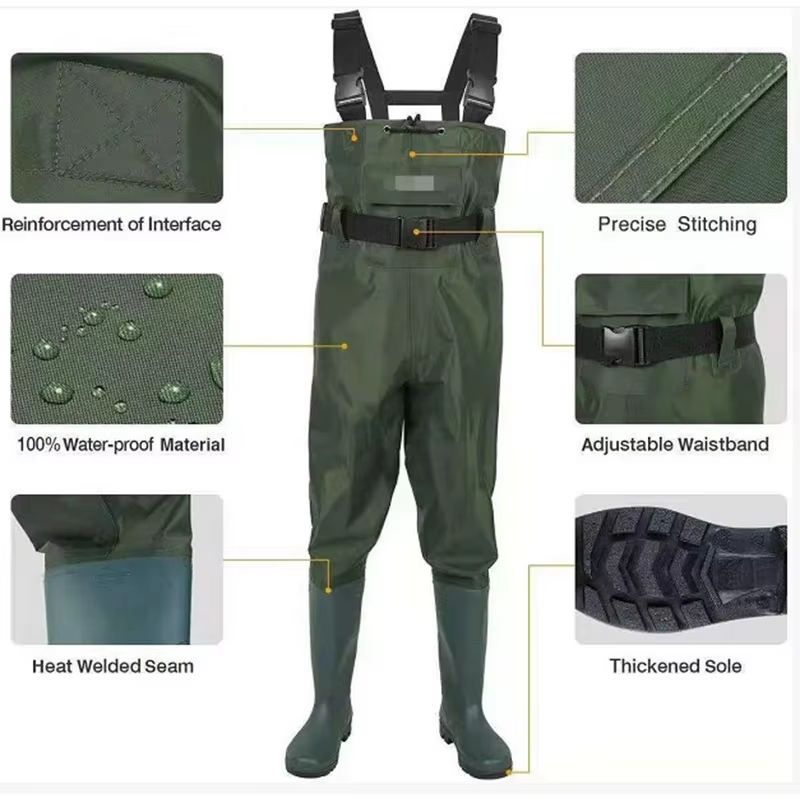
Seam sealing quality directly determines the waterproof performance and longevity of fly fishing waders. Factory-sealed seams using appropriate tape materials and proper application techniques ensure reliable waterproof barriers throughout the garment's lifespan. Heat-welded seams represent the most durable option, creating molecular bonds that eliminate potential leak points common in traditionally sewn and sealed constructions.
Testing protocols for bulk orders should include pressure testing and visual inspection of critical seam areas. Reputable manufacturers conduct hydrostatic pressure tests exceeding normal use conditions, typically rating waders to withstand pressures equivalent to several feet of water depth. Understanding these specifications helps buyers select appropriate products for their intended applications and customer expectations.
Comprehensive warranty programs protect bulk buyers from defective merchandise while demonstrating manufacturer confidence in product quality. Industry-standard warranties typically cover material and construction defects for one to two years, with premium brands sometimes offering longer coverage periods. Warranty terms should clearly define covered defects versus normal wear, helping retailers understand their responsibilities and customer service obligations.
Manufacturer support services including repair programs and replacement part availability add significant value to bulk purchases. Established brands often provide professional repair services that extend product life beyond warranty periods, creating additional revenue opportunities for retailers while enhancing customer loyalty. These services prove particularly valuable for outfitters and guides whose equipment experiences heavy use throughout fishing seasons.
Strategic price positioning requires understanding the complete cost structure including product costs, shipping, duties, and storage expenses. Premium waders typically offer higher gross margins but require more sophisticated marketing and customer education to justify their costs. Mid-range products often provide the best balance of margin potential and sales volume, appealing to the broadest customer segment while maintaining reasonable profitability.
Volume discount structures vary significantly among manufacturers, with some offering linear scaling while others provide steep breaks at specific quantity thresholds. Negotiating favorable terms requires understanding minimum order quantities, payment terms, and seasonal demand patterns. Building relationships with multiple suppliers ensures competitive pricing while providing backup options during peak demand periods or supply disruptions.
Beyond initial purchase prices, successful bulk buyers evaluate total cost of ownership including warranty processing, customer service requirements, and return rates. Products with higher initial costs but lower failure rates often provide better long-term profitability through reduced service costs and improved customer satisfaction. Tracking these metrics over multiple order cycles helps refine product selection and supplier relationships.
Inventory turnover rates significantly impact carrying costs and cash flow management. Fast-moving products with consistent demand patterns allow for leaner inventory levels and improved return on investment. Seasonal variations in fly fishing wader sales require careful planning to balance adequate stock levels with minimal carrying costs during off-season periods.
Environmental consciousness increasingly influences purchasing decisions in the outdoor industry, driving demand for sustainable manufacturing practices and materials. Recycled fabrics, PFC-free DWR treatments, and responsible manufacturing processes appeal to environmentally aware customers while supporting corporate sustainability initiatives. These factors may command premium pricing but often result in stronger customer loyalty and brand differentiation.
End-of-life considerations including recyclability and repair programs align with circular economy principles gaining traction in outdoor markets. Manufacturers developing take-back programs and repair services create additional value propositions while reducing environmental impact. These initiatives particularly resonate with younger demographics who prioritize environmental responsibility in their purchasing decisions.
Emerging technologies including integrated electronics and smart fabrics represent future opportunities in the wader market. Temperature regulation systems, moisture monitoring, and safety features like GPS integration may become standard in premium products. While current adoption remains limited, forward-thinking buyers should monitor these developments to identify early adoption opportunities.
Customization technologies including 3D body scanning and made-to-order manufacturing could revolutionize fit and sizing in the industry. These developments may reduce inventory requirements while improving customer satisfaction through personalized products. Understanding these trends helps bulk buyers prepare for changing market dynamics and customer expectations.
Minimum order quantities vary significantly among manufacturers, typically ranging from 50 to 500 units depending on the brand and customization requirements. Established manufacturers often require smaller minimums for standard products while demanding higher quantities for custom colors or private labeling. Building relationships with suppliers can sometimes result in lower minimums or mixed product orders to meet quantity thresholds.
Proper storage requires climate-controlled environments with stable temperatures between 60-75°F and relative humidity below 60% to prevent material degradation. Waders should be stored unfolded or loosely rolled to prevent permanent creases in waterproof membranes. Avoiding direct sunlight and ensuring adequate ventilation prevents UV damage and moisture accumulation that can compromise seam integrity and material performance.
Reputable manufacturers typically offer 1-2 year warranties covering material defects and construction failures under normal use conditions. Warranty terms should clearly distinguish between manufacturing defects and damage from misuse, punctures, or normal wear. The best suppliers provide streamlined warranty processing, repair services, and sometimes offer pro-deal programs for bulk customers to handle warranty claims efficiently.
Analyzing your customer demographics and historical sales data provides the foundation for size distribution planning. A typical distribution might allocate 40% to medium and large sizes, 25% to small and extra-large, and 10% each to XS and XXL, with adjustments based on regional preferences. Consider offering both regular and tall options in core sizes, and maintain separate distributions for men's and women's products based on your market composition.

 EN
EN