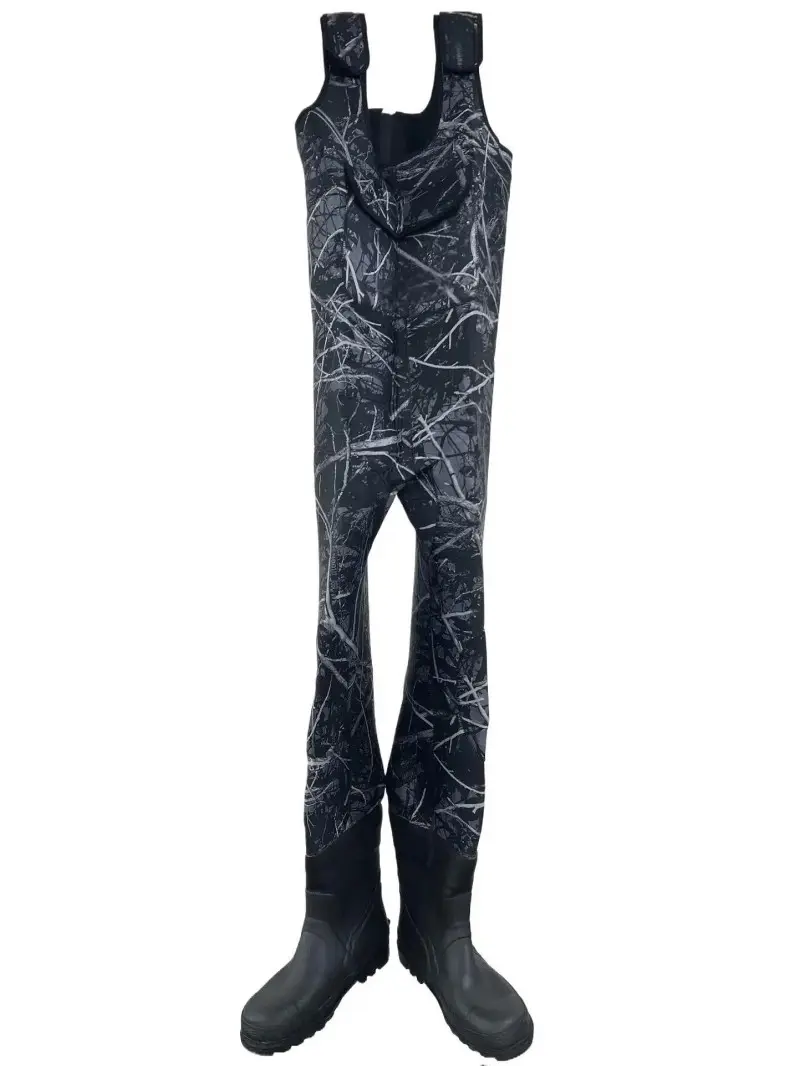
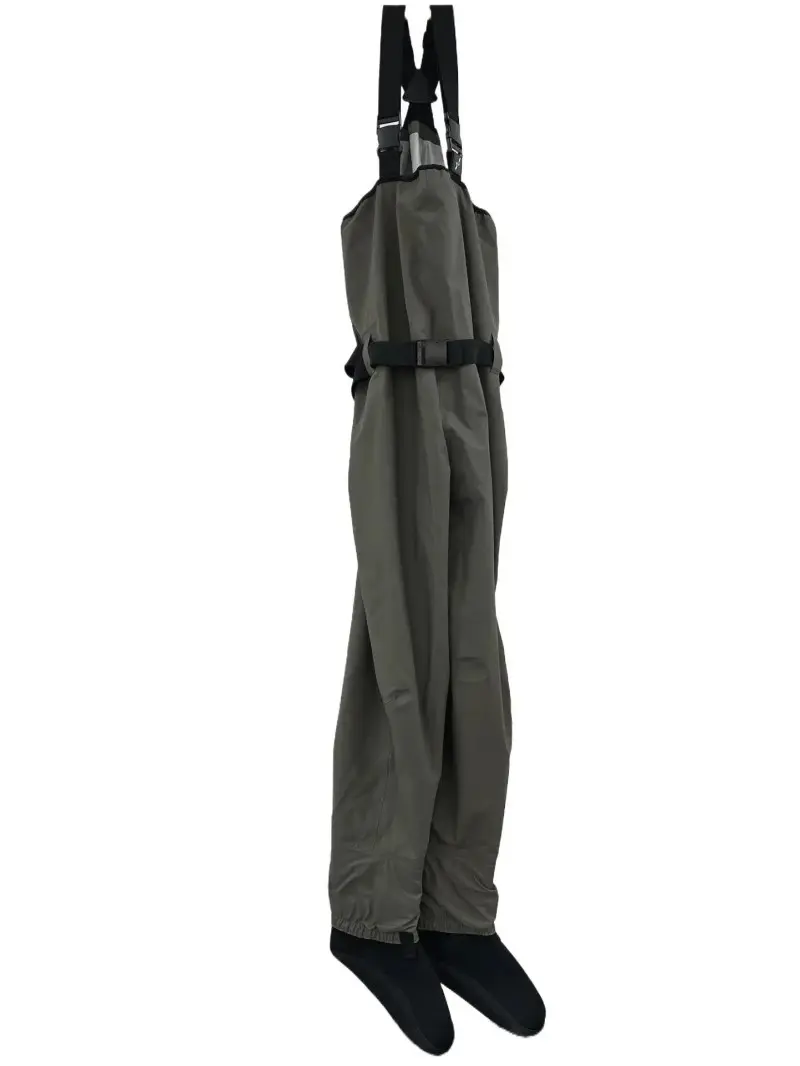
When it comes to outdoor gear supply, selecting the right equipment can make or break any adventure. Among the most critical pieces of gear for hunting, fishing, and outdoor activities are durable full body waders. These essential garments provide complete protection from water while maintaining comfort and mobility during extended outdoor excursions. Understanding the key factors that contribute to wader durability, performance, and value is crucial for both retailers and end-users who demand reliable protection in challenging environments.
The outdoor gear market has experienced significant growth in recent years, with consumers increasingly seeking high-quality equipment that can withstand harsh conditions. Professional guides, recreational anglers, hunters, and outdoor enthusiasts all require waders that offer superior protection without compromising mobility or comfort. This comprehensive guide explores the essential characteristics that define premium waders and provides practical insights for making informed purchasing decisions in the competitive outdoor gear supply industry.
Modern durable full body waders utilize sophisticated multi-layer fabric constructions that balance waterproofing, breathability, and tear resistance. Three-layer and four-layer systems have become the industry standard, incorporating outer shell materials, waterproof membranes, and protective inner linings. Nylon-based fabrics offer exceptional durability against punctures and abrasions, while polyester materials provide superior stretch and recovery properties for enhanced mobility.
The choice of base fabric significantly impacts the overall performance and longevity of waders. Denier ratings ranging from 420D to 840D indicate fabric weight and density, with higher ratings generally corresponding to increased durability. However, the manufacturing process, weave pattern, and coating applications play equally important roles in determining final product quality. Premium waders often feature reinforced panels in high-wear areas such as knees, seat, and lower legs to extend service life.
The waterproof membrane serves as the critical barrier preventing water penetration while allowing moisture vapor transmission. Modern membranes achieve waterproof ratings exceeding 10,000mm while maintaining breathability levels of 8,000-15,000g/m²/24hr. These specifications ensure reliable protection in demanding conditions while preventing internal moisture buildup that can lead to discomfort and hypothermia risks.
Membrane technology has evolved beyond simple waterproof coatings to include microporous films and hydrophilic treatments that actively transport moisture away from the body. The integration method between membrane and fabric layers affects both performance and durability, with laminated constructions generally offering superior longevity compared to coated alternatives. Quality control during manufacturing ensures consistent membrane performance across the entire garment surface.
Professional-grade waders incorporate anatomical design principles that accommodate natural body movement while maintaining waterproof integrity. Articulated knees, gusseted crotches, and tapered leg profiles reduce fabric stress and improve comfort during extended wear. The fit through shoulders, chest, and waist areas must provide adequate room for layering without creating excess bulk that impedes movement or increases snag risk.
Sizing consistency across different wader models enables retailers to maintain appropriate inventory levels while ensuring customer satisfaction. Premium manufacturers invest in extensive fit testing and pattern development to create waders that perform well across diverse body types and activity levels. Adjustable features such as shoulder straps and belt systems allow users to customize fit for optimal performance in various conditions.
Seam integrity represents the most critical factor in wader waterproofing and durability. Heat-sealed seams using specialized tapes create permanent waterproof bonds that eliminate needle holes and potential leak points. The quality of seam tape application, edge preparation, and heat application parameters directly influence long-term performance under stress and repeated flexing.
Strategic reinforcement placement protects high-stress areas without adding unnecessary weight or bulk. Double-layer construction at wear points, reinforced seam intersections, and protective overlays extend service life while maintaining flexibility. Quality manufacturers conduct extensive field testing to identify potential failure points and incorporate appropriate reinforcement measures in production designs.
Effective temperature regulation distinguishes premium durable full body waders from basic models, particularly during extended outdoor activities. Breathable membranes work in conjunction with strategic ventilation zones to maintain comfortable internal climate while preventing overheating. Insulation options range from lightweight synthetic fills for moderate conditions to advanced thermal systems for extreme cold weather applications.
Moisture management becomes critical during high-activity periods when internal vapor production exceeds membrane transmission rates. Well-designed waders incorporate wicking liner materials and ventilation features that facilitate air circulation and moisture evacuation. The balance between insulation and breathability must match intended use patterns and environmental conditions to optimize user comfort and safety.
Boot sole design significantly impacts user safety and performance on wet, slippery surfaces commonly encountered during outdoor activities. Felt soles provide excellent grip on rock and submerged surfaces but require careful maintenance to prevent invasive species transfer. Rubber lug soles offer versatility and easy cleaning while providing adequate traction for most applications.
Integrated wading boots eliminate the need for separate footwear while ensuring proper fit and waterproof connection to the wader body. Boot construction must balance protection, comfort, and drainage characteristics to maintain foot health during extended wear. Quality boots feature reinforced toe and heel areas, supportive midsoles, and drainage systems that prevent water accumulation.
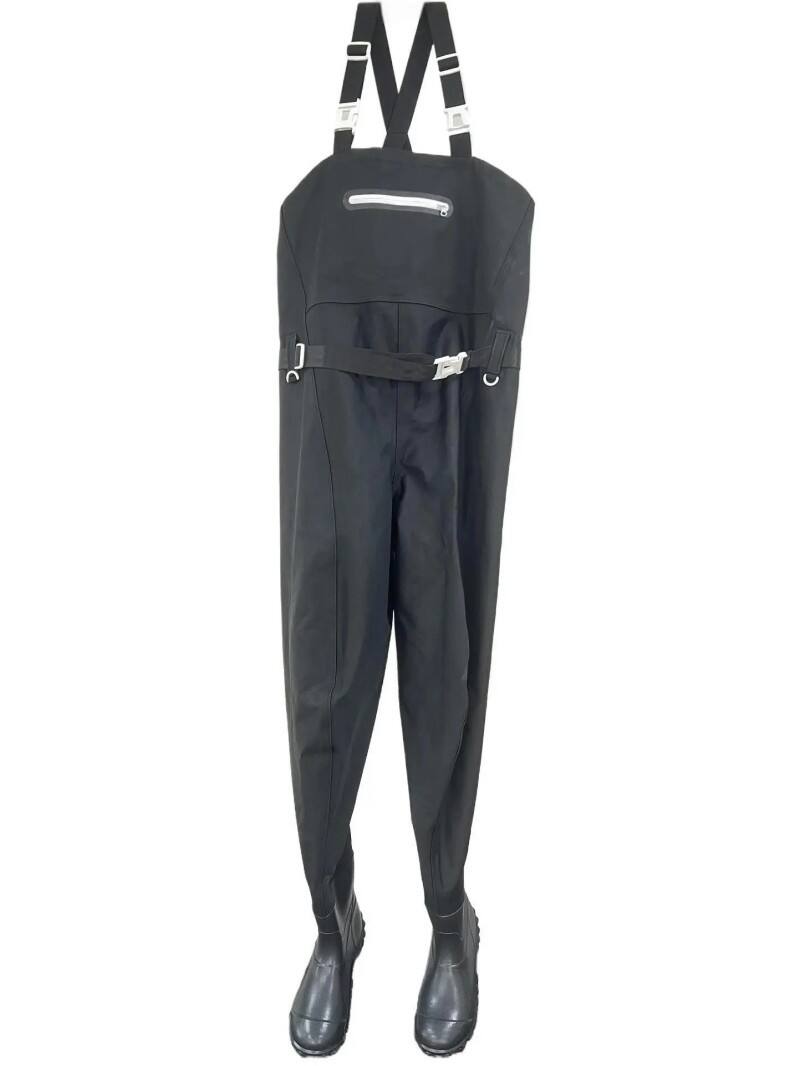
Fishing applications demand waders that provide excellent mobility for casting, wading, and maneuvering in various water conditions. Chest-high designs offer maximum protection for deep wading while maintaining access to upper body storage and equipment. The integration of built-in storage solutions, rod holders, and equipment attachment points enhances functionality without compromising waterproof integrity.
Stocking foot designs allow anglers to select specialized wading boots that match specific fishing environments and personal preferences. This modular approach enables customization for different fishing styles while extending the useful life of both wader and boot components. Quality stocking foot construction includes reinforced toe and heel areas plus secure attachment systems that prevent separation during use.
Hunting applications require waders that perform reliably in diverse terrain and weather conditions while providing adequate concealment and noise reduction. Camouflage patterns must remain effective when wet while materials should minimize rustling sounds during movement. Extended wear comfort becomes critical during long hunting sessions that may involve hours of stationary positioning.
Durability requirements for hunting waders often exceed those for fishing applications due to contact with sharp vegetation, rocky terrain, and potential encounters with thorns or branches. Reinforced lower sections and puncture-resistant materials help prevent field damage that could compromise waterproofing. Easy field repair options using patches or temporary sealants enable continued use when minor damage occurs.
Professional-grade durable full body waders undergo rigorous testing to verify waterproof performance under various pressure conditions. Hydrostatic head testing measures the water column height that fabric can withstand before leakage occurs, with quality waders typically exceeding 10,000mm ratings. This testing simulates real-world pressure conditions encountered during deep wading and submersion scenarios.
Seam integrity testing involves subjecting completed garments to elevated pressure while monitoring for leak points or seam failures. Quality control procedures include visual inspection of all seam tape applications, stress testing of critical junction points, and verification of closure system waterproofing. Batch testing protocols ensure consistent quality across production runs while identifying potential manufacturing issues before products reach consumers.
Abrasion resistance testing simulates the wear patterns experienced during typical use scenarios, including contact with rocks, vegetation, and boat surfaces. Standardized testing protocols measure fabric degradation over specified cycle counts to predict service life under normal use conditions. These tests help manufacturers optimize material selections and identify areas requiring additional reinforcement.
Flex testing evaluates seam and material performance under repeated bending and stretching motions that occur during normal movement. Critical stress points such as knee areas, shoulder joints, and crotch sections receive particular attention during testing protocols. Long-term testing programs track field performance data to validate laboratory results and guide product improvement initiatives.
Proper maintenance significantly extends the service life of durable full body waders while preserving waterproof performance and material integrity. Regular cleaning removes dirt, salt, and organic matter that can degrade fabrics and seam tape adhesion over time. Gentle washing with specialized technical cleaners maintains membrane function while avoiding harsh detergents that compromise waterproof coatings.
Storage procedures must protect waders from UV degradation, extreme temperatures, and mechanical damage during off-season periods. Proper drying eliminates moisture that could promote mold or mildew growth while controlled storage environments prevent material deterioration. Hanging storage systems distribute weight evenly while avoiding crease formation that could stress seam areas.
Field repair capabilities enable continued use when minor damage occurs during outdoor activities. Patch kits containing appropriate adhesives and fabric patches allow temporary repairs that maintain waterproof integrity until professional restoration is possible. Understanding proper surface preparation and application techniques ensures effective repairs that blend seamlessly with original construction.
Professional restoration services can address more significant damage including seam repair, zipper replacement, and major fabric restoration. The cost-effectiveness of professional repair versus replacement depends on the extent of damage and remaining service life expectations. Quality manufacturers often provide repair services that maintain original performance specifications while extending product longevity.
The lifespan of durable full body waders depends primarily on material quality, construction methods, usage frequency, and maintenance practices. High-quality three-layer constructions with reinforced wear areas typically last 3-5 years with regular use, while premium models may exceed this timeframe. Proper cleaning, storage, and prompt repair of minor damage significantly extend service life, whereas neglect or improper care can reduce durability by 50% or more.
Proper sizing requires measurements of chest, waist, inseam, and foot size, with consideration for layering requirements based on intended use conditions. Most manufacturers provide detailed sizing charts that account for different body proportions and activity levels. The fit should allow comfortable movement without excess fabric while providing adequate room for thermal layers during cold weather use.
Regular maintenance should include rinsing with fresh water after each use, thorough cleaning with technical cleaners monthly during active seasons, and complete inspection for damage or wear areas. Annual professional inspection and waterproofing renewal helps maintain peak performance, while proper storage during off-seasons prevents material degradation and extends overall service life.
Minor punctures, small tears, and worn areas can often be repaired effectively using appropriate patch materials and adhesives, restoring full waterproof performance at a fraction of replacement cost. However, extensive damage to seam areas, major fabric degradation, or structural issues typically warrant replacement rather than repair. Professional assessment can determine the most cost-effective approach based on damage extent and remaining product life expectancy.

 EN
EN