The outdoor equipment industry has witnessed significant growth in the B2B sector, with hunting waders emerging as one of the most sought-after products among commercial outdoor retailers, outfitters, and hunting service providers. Professional buyers consistently prioritize durability, performance, and value when selecting hunting waders for their inventory, making it essential to understand which features and styles drive purchasing decisions in the business-to-business market.
Business clients in the outdoor industry face unique challenges when sourcing hunting waders, as they must balance customer satisfaction with inventory turnover and profit margins. Understanding market trends and customer preferences becomes crucial for making informed purchasing decisions that align with both end-user needs and business objectives.
The professional hunting equipment market has experienced a notable shift toward premium-quality hunting waders that offer enhanced durability and performance features. B2B clients consistently report increased demand for insulated models, particularly those featuring 1600-gram insulation ratings that provide superior cold-weather protection. This trend reflects the growing emphasis on extended hunting seasons and harsh environmental conditions that modern hunters regularly encounter.
Neoprene construction has emerged as the preferred material choice among professional buyers, accounting for approximately 70% of bulk orders placed by outdoor retailers. The material's flexibility, thermal properties, and resistance to punctures make it an ideal choice for commercial inventory. Additionally, studded boot soles have become increasingly popular due to their enhanced traction capabilities on various terrain types.
Waterproof technology remains a non-negotiable feature for B2B clients, with seamless construction and reinforced stress points being primary evaluation criteria. Professional buyers understand that product returns due to leakage can significantly impact their reputation and customer relationships, making waterproof integrity a critical factor in their purchasing decisions.
B2B outdoor clients typically follow predictable seasonal purchasing patterns that align with hunting seasons and promotional periods. The majority of bulk orders occur during late summer and early fall, as retailers prepare their inventory for the peak hunting season. This timing allows businesses to capitalize on hunter preparation periods and gift-giving seasons that drive consumer purchases.
Spring purchases often focus on inventory replenishment and clearance model acquisitions, while winter orders tend to emphasize next-season planning and special order fulfillment. Understanding these patterns helps manufacturers and distributors optimize their production schedules and inventory management strategies to meet B2B client needs effectively.
Regional variations also influence purchasing patterns, with northern climate retailers showing stronger preference for heavily insulated models, while southern market clients favor lighter-weight options with enhanced breathability features. This geographic diversity requires careful market analysis and targeted product positioning strategies.
Professional buyers consistently prioritize construction quality when evaluating hunting waders for their inventory. Reinforced knee and seat areas, double-stitched seams, and heavy-duty zippers represent essential features that determine long-term product performance and customer satisfaction. These elements directly impact warranty claims and return rates, making them critical factors in B2B purchasing decisions.
Boot attachment methods have become increasingly sophisticated, with vulcanized rubber construction and reinforced bonding techniques offering superior durability compared to traditional glued assemblies. Professional clients recognize that foot separation represents one of the most common failure points in hunting waders, making robust boot attachment a primary evaluation criterion.
Material thickness and puncture resistance testing results often influence bulk purchasing decisions, as B2B clients understand that thicker neoprene generally provides better longevity despite higher initial costs. This cost-benefit analysis becomes particularly important for clients serving professional guides and outfitters who demand maximum durability from their equipment.
Size range availability significantly impacts B2B purchasing decisions, as retailers must accommodate diverse customer bases with varying body types and preferences. Professional buyers typically prefer suppliers offering comprehensive sizing options, including extended sizes that serve specialized market segments and ensure inclusive inventory coverage.
Adjustable features such as suspender systems, belt attachments, and wader strap configurations provide added value for B2B clients by reducing fit-related returns and exchanges. These features allow end customers to achieve optimal comfort and functionality, leading to higher customer satisfaction and reduced service issues for retailers.
Insulation distribution and thermal management features have become increasingly important as hunting seasons extend into extreme weather conditions. Professional buyers evaluate insulation placement, breathability characteristics, and moisture management capabilities when selecting products for their inventory mix.
Market research indicates that chest-high hunting waders represent approximately 75% of B2B orders, reflecting their versatility and comprehensive protection capabilities. Professional clients appreciate the flexibility that chest-high models provide for various hunting scenarios, from shallow stream crossings to deeper water navigation during waterfowl hunting activities.
Hip-high models maintain their market presence primarily for specialized applications and budget-conscious consumers. B2B clients often stock limited quantities of hip waders to serve customers with specific needs or those seeking more affordable entry-level options. The reduced material requirements and lower manufacturing costs make hip models attractive for promotional pricing strategies.
Convertible designs that allow users to adjust coverage levels have gained traction among professional buyers seeking to maximize inventory efficiency. These versatile options enable retailers to serve multiple customer segments with a single product line, reducing inventory complexity while maintaining broad market coverage.
The 1600-gram insulation rating has emerged as the most popular choice among B2B clients, representing a balanced approach to warmth and mobility. This insulation level provides adequate protection for most hunting conditions while maintaining sufficient flexibility for extended wear periods. Professional buyers recognize that this specification meets the needs of the majority of their customer base.
Uninsulated models continue to serve specific market segments, particularly in warmer climates and early-season hunting applications. B2B clients in southern regions often prioritize these options for their inventory, as local hunting conditions rarely require heavy insulation levels that could cause overheating and discomfort.
Premium insulation options exceeding 1600 grams typically represent niche products for extreme cold-weather applications. While these models command higher prices, they serve specialized markets such as ice fishing and late-season waterfowl hunting, providing B2B clients with opportunities to serve dedicated enthusiasts willing to invest in premium performance.
Professional buyers consistently seek suppliers offering competitive volume pricing structures that enable profitable retail margins while maintaining competitive end-user pricing. Typical bulk order quantities range from 24 to 144 units, depending on business size and market coverage requirements. Volume discount tiers usually begin at 12-unit orders, with significant savings occurring at 48-unit and 96-unit thresholds.
Payment terms and seasonal financing options influence B2B purchasing decisions, as many outdoor retailers operate with limited cash flow during off-season periods. Suppliers offering extended payment terms or seasonal billing arrangements often secure larger orders and develop stronger long-term relationships with professional clients.
Mixed-size ordering capabilities provide additional value for B2B clients by enabling them to stock comprehensive size ranges without committing to large quantities of individual sizes. This flexibility reduces inventory risk while ensuring adequate coverage for diverse customer needs and preferences.
Professional buyers employ sophisticated cost-per-use calculations when evaluating hunting waders for their inventory. These analyses consider expected product lifespan, warranty coverage, return rates, and customer satisfaction metrics to determine true product value beyond initial purchase price. Products demonstrating superior durability often justify premium pricing through reduced replacement costs and enhanced customer loyalty.
Warranty programs and manufacturer support services significantly impact perceived value among B2B clients. Comprehensive warranty coverage, responsive customer service, and efficient replacement processes can differentiate products in competitive markets and justify higher wholesale prices through reduced retailer risk and administrative burden.
Brand recognition and marketing support also influence value propositions for professional buyers. Established brands with strong consumer awareness often provide easier sales processes and reduced marketing investment requirements, making them attractive despite potentially higher wholesale costs.
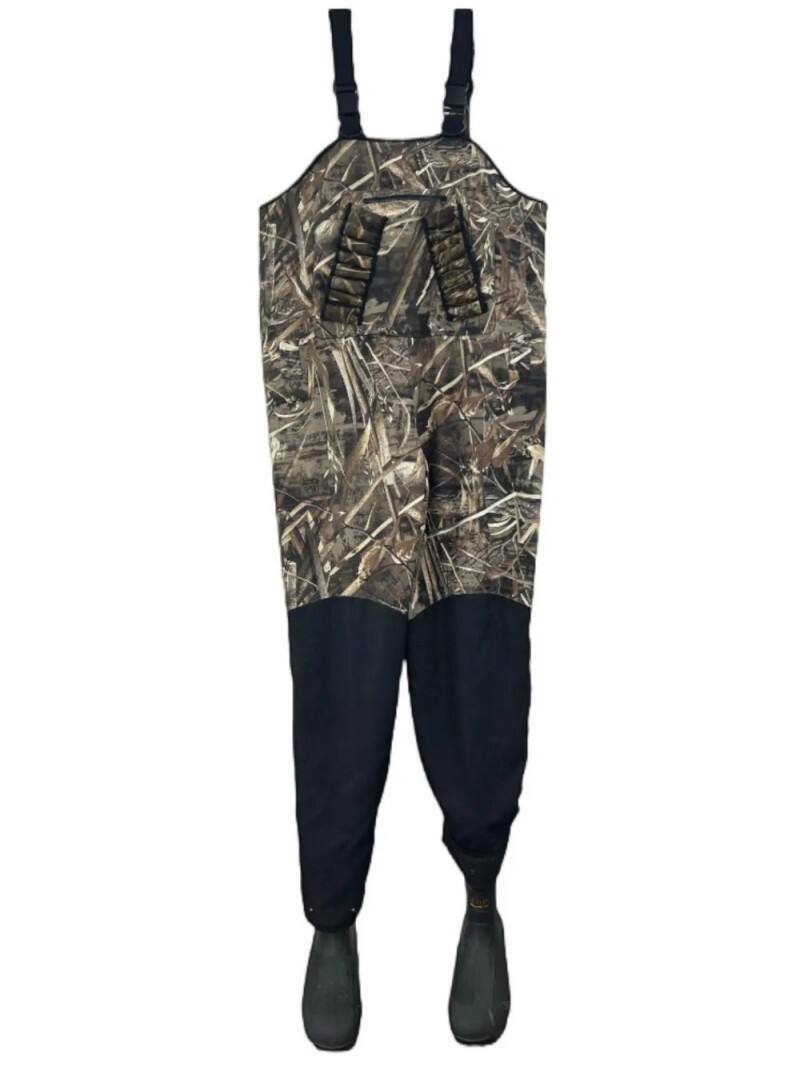
Many successful B2B outdoor retailers have established direct relationships with hunting waders manufacturers to secure better pricing, customization options, and priority allocation during peak demand periods. These partnerships often include minimum order commitments in exchange for enhanced support services and preferential treatment during supply shortages.
Private labeling opportunities enable B2B clients to differentiate their inventory while maintaining competitive pricing structures. Manufacturers offering customization services such as logo placement, color variations, and packaging modifications provide added value for retailers seeking to build brand identity and customer loyalty.
Quality control collaboration between manufacturers and B2B clients helps ensure consistent product standards and reduces defect-related issues. Regular communication channels, product testing protocols, and feedback mechanisms contribute to continuous improvement and strengthen supplier relationships over time.
Regional distribution centers and fulfillment partnerships enable B2B clients to reduce inventory carrying costs while maintaining adequate stock levels for customer demand. Strategic partnerships with logistics providers specializing in outdoor equipment help optimize shipping costs and delivery timeframes for both initial orders and customer fulfillment.
Drop-shipping arrangements provide flexibility for B2B clients serving geographically diverse markets or handling special orders. These partnerships enable retailers to offer comprehensive product selections without maintaining extensive physical inventory, reducing financial risk and storage requirements.
Seasonal inventory management services help B2B clients optimize cash flow by aligning inventory levels with demand patterns. Suppliers offering flexible storage and release schedules enable retailers to secure favorable pricing during off-season periods while maintaining optimal inventory turnover rates.
Emerging material technologies continue to reshape the hunting waders market, with B2B clients showing increasing interest in products incorporating advanced features such as antimicrobial treatments, enhanced breathability systems, and improved thermal regulation. These innovations often command premium pricing but provide differentiation opportunities for retailers serving performance-oriented customers.
Sustainable manufacturing processes and eco-friendly materials are gaining traction among environmentally conscious B2B clients and their customers. While these products may carry higher initial costs, they often appeal to specific market segments willing to pay premiums for environmentally responsible options.
Smart technology integration, including temperature monitoring systems and GPS tracking capabilities, represents an emerging trend that appeals to tech-savvy hunters and professional guides. B2B clients serving these specialized markets may find opportunities for premium product positioning and enhanced profit margins.
Manufacturers providing comprehensive digital support, including product images, specifications, and marketing materials, significantly reduce the administrative burden for B2B clients developing online presence and e-commerce capabilities. High-quality digital assets enable professional product presentations and support effective online marketing efforts.
Integration capabilities with popular e-commerce platforms and inventory management systems streamline operations for B2B clients operating online retail channels. Suppliers offering API connections and automated data feeds help retailers maintain accurate product information and inventory levels across multiple sales channels.
Virtual fitting tools and sizing guides help reduce return rates while improving customer satisfaction for B2B clients operating online retail channels. These technologies enable customers to make more informed purchasing decisions, reducing the burden on retailer customer service teams and improving overall profitability.
The 1600-gram insulation rating represents the most popular choice among professional hunters and B2B clients. This insulation level provides optimal warmth for most hunting conditions while maintaining sufficient mobility and flexibility for extended use. It effectively balances thermal protection with practical functionality, making it suitable for the majority of hunting scenarios and climate conditions.
Professional buyers evaluate waterproof performance through multiple criteria including seam construction quality, material specifications, stress point reinforcement, and manufacturer testing standards. They often request detailed technical specifications, warranty coverage information, and field testing results to assess long-term waterproof integrity. Many B2B clients also consider customer feedback and return rate data when evaluating waterproof performance capabilities.
Most B2B outdoor retailers stock comprehensive size ranges from size 7 through size 14 in regular widths, with many also carrying extended sizes to serve specialized customer needs. Professional buyers typically maintain higher inventory levels for popular sizes 9 through 12, while stocking limited quantities of extreme sizes. Many retailers work with suppliers offering mixed-size ordering to optimize inventory coverage without excessive investment in slow-moving sizes.
Studded rubber soles represent the most requested configuration among commercial buyers, accounting for approximately 80% of bulk orders. These soles provide superior traction on various terrain types and weather conditions, making them versatile for diverse hunting applications. Felt soles maintain some market presence for specialized fishing applications, while cleated options serve specific regional markets with unique terrain requirements.

 EN
EN