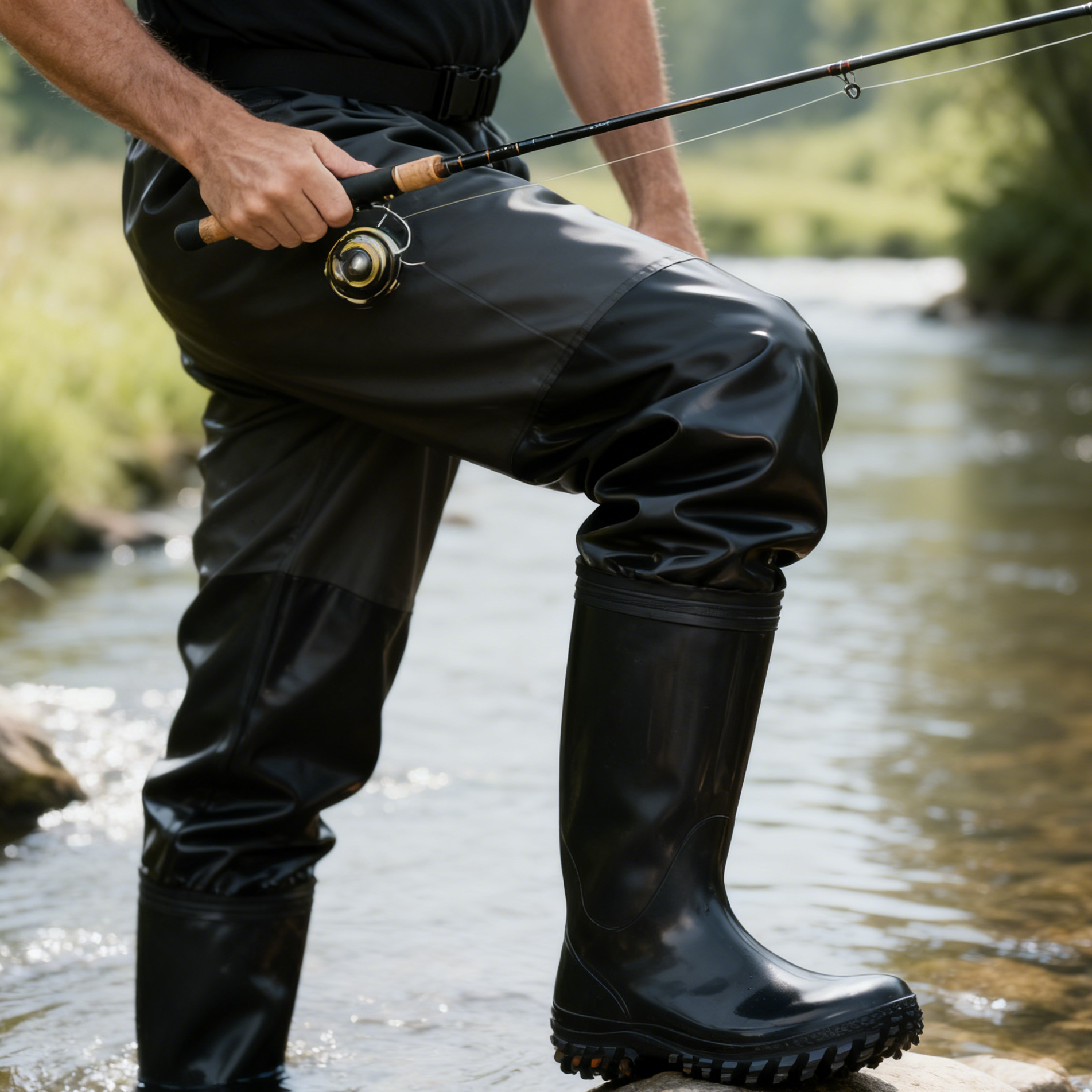
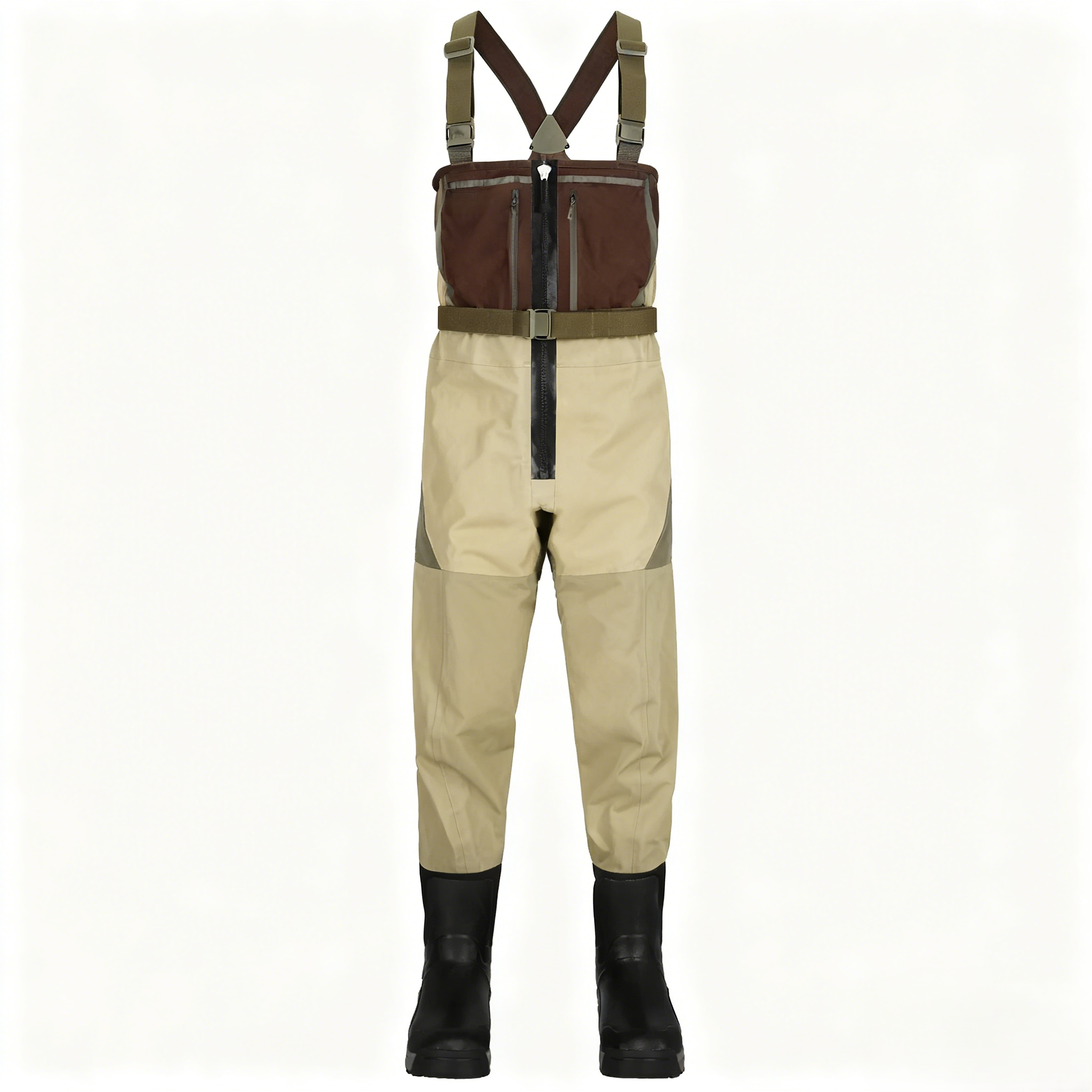
The fishing and outdoor equipment industry has witnessed tremendous growth in recent years, with distributors seeking reliable products that deliver both quality and profitability. Among the most sought-after items in this sector are OEM chest waders, which have become essential gear for anglers, hunters, and outdoor enthusiasts worldwide. These specialized waterproof garments offer distributors unique opportunities to build profitable partnerships with manufacturers while meeting the diverse needs of their customer base.
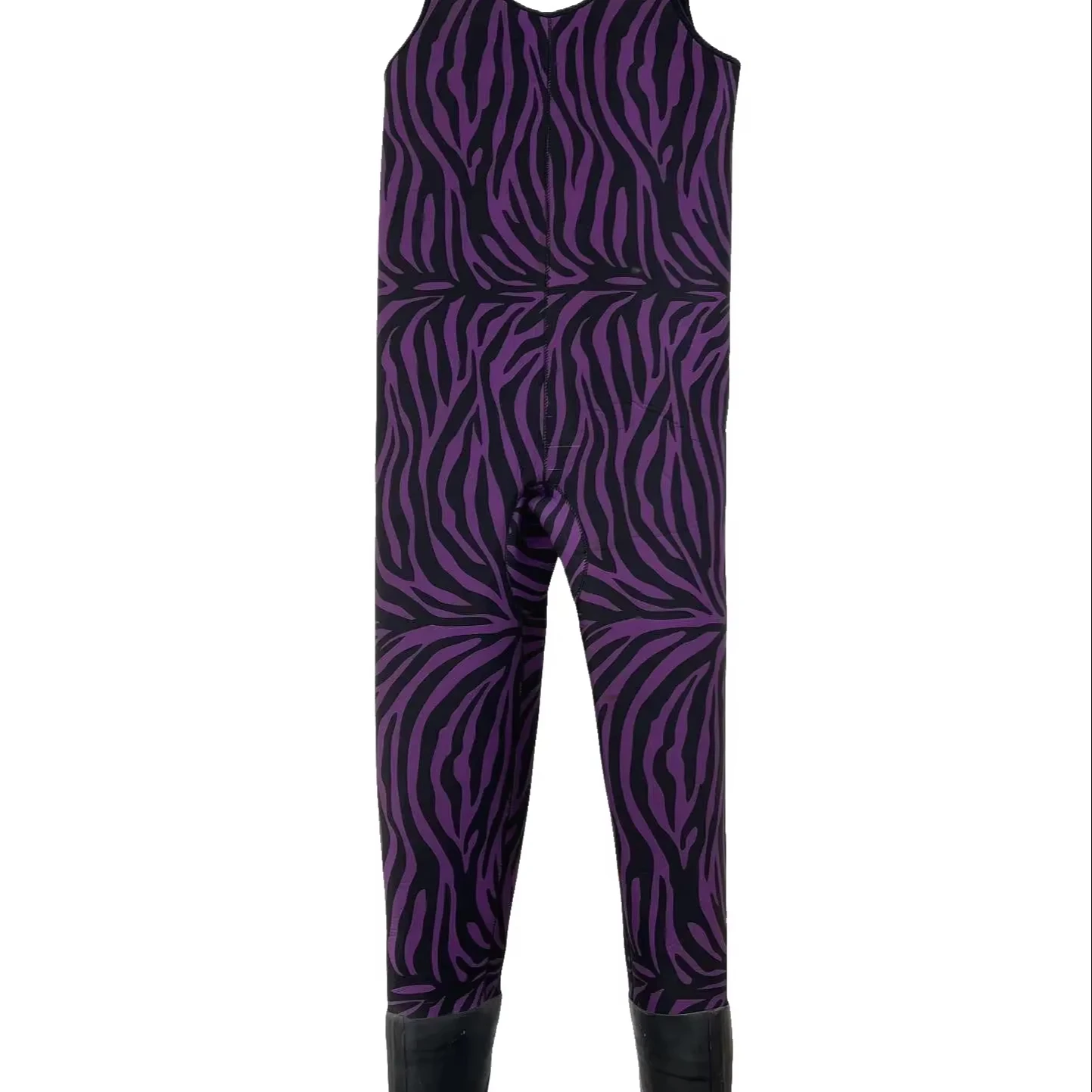
Understanding the advantages of OEM chest waders requires examining both the manufacturing benefits and market opportunities they present. Original Equipment Manufacturer partnerships in the wader industry provide distributors with competitive pricing, customization options, and direct access to quality-controlled production processes. This comprehensive approach enables distributors to establish strong market positions while offering customers products that meet specific regional and demographic requirements.
Working directly with OEM manufacturers eliminates multiple layers of intermediaries that traditionally inflate product costs. Distributors gain access to factory-direct pricing structures that significantly improve profit margins compared to purchasing through wholesale channels. This direct relationship enables distributors to offer competitive retail pricing while maintaining healthy profit margins that support business growth and market expansion.
The cost advantages extend beyond initial purchase prices to include reduced shipping expenses, consolidated order processing, and streamlined inventory management. OEM partnerships often include volume-based pricing tiers that reward larger orders with progressively better unit costs, allowing distributors to scale their operations efficiently while maximizing profitability across different market segments.
OEM chest wader manufacturing leverages economies of scale that benefit distributors through reduced per-unit costs and improved product availability. Large-scale production runs enable manufacturers to optimize material usage, reduce waste, and implement efficient production processes that translate to lower costs for distributors. These savings can be passed along to customers or retained to improve distributor margins.
The scale advantages also manifest in research and development capabilities, where OEM manufacturers invest in advanced materials, construction techniques, and design innovations. Distributors benefit from access to cutting-edge products without bearing the substantial costs associated with product development, testing, and certification processes.
OEM chest wader partnerships provide distributors with extensive private labeling capabilities that enable brand development and market differentiation. Manufacturers can incorporate distributor logos, color schemes, and design elements into standard products, creating unique offerings that strengthen brand recognition and customer loyalty. This customization extends to packaging design, product documentation, and marketing materials that support comprehensive brand strategies.
Private labeling allows distributors to develop exclusive product lines that cannot be directly compared with competitors' offerings, reducing price-based competition and enabling value-based selling approaches. Customers develop stronger relationships with distributor brands when products consistently deliver quality performance under recognizable private labels.
Regional markets often require specific product adaptations to address local conditions, regulations, and customer preferences. OEM chest waders can be modified to accommodate different climate conditions, water types, and fishing styles prevalent in specific geographic areas. Manufacturers can adjust insulation levels, boot configurations, and sizing options to better serve targeted customer segments.
These adaptations extend to compliance with local safety standards, environmental regulations, and industry certifications that may be required in different markets. OEM partners typically maintain expertise in various international standards and can ensure products meet necessary requirements for different distribution territories.
OEM partnerships enable distributors to maintain direct oversight of manufacturing processes, quality control procedures, and production schedules. This visibility ensures that products meet specified quality standards consistently and allows for proactive identification and resolution of potential issues before they impact customer satisfaction. Distributors can establish quality metrics, inspection protocols, and performance standards that align with their market requirements.
Regular factory visits, production audits, and quality assessments become standard practices in OEM relationships, providing distributors with confidence in product reliability and consistency. This direct involvement in quality assurance processes strengthens customer relationships and reduces warranty claims, returns, and reputation risks associated with product failures.
OEM manufacturers provide distributors with detailed information about material specifications, construction techniques, and performance characteristics that enable informed product selection and customer education. Understanding the technical aspects of chest wader construction allows distributors to position products effectively and address customer questions with authority and expertise.
Access to material innovations, such as advanced waterproof membranes, reinforced wear points, and ergonomic design features, keeps distributors at the forefront of product development. OEM partners often share upcoming innovations and improvements, allowing distributors to plan inventory and marketing strategies around new product introductions.
OEM partnerships typically include flexible inventory management arrangements that help distributors optimize stock levels while maintaining product availability. Manufacturers may offer drop-shipping services, consignment programs, or just-in-time delivery options that reduce distributor inventory investment while ensuring customer orders can be fulfilled promptly. These arrangements improve cash flow management and reduce storage costs.
Predictable production schedules and advance planning capabilities enable distributors to coordinate seasonal inventory builds with promotional campaigns and market demand patterns. OEM partners often provide sales forecasting support and market intelligence that helps distributors make informed inventory decisions and avoid overstock or stockout situations.
Established OEM relationships include streamlined logistics arrangements that ensure reliable product delivery and reduce shipping complications. Manufacturers typically maintain relationships with international freight forwarders, customs brokers, and logistics providers that facilitate efficient product movement from production facilities to distributor warehouses or customer locations.
Coordinated shipping schedules, consolidated shipments, and optimized packaging methods contribute to reduced transportation costs and improved delivery reliability. These logistics advantages become particularly important during peak seasonal periods when timely product availability directly impacts sales performance and customer satisfaction.
Successful OEM chest wader partnerships often lead to opportunities for expanding product offerings into related categories such as fishing accessories, outdoor clothing, and specialized equipment. Manufacturers may offer comprehensive product portfolios that enable distributors to provide complete solutions to their customers while leveraging established relationships and proven quality standards.
Product line extensions benefit from shared marketing efforts, cross-selling opportunities, and enhanced customer lifetime value through broader product engagement. Distributors can develop comprehensive outdoor equipment catalogs that position them as one-stop sources for customer needs while maximizing revenue per customer relationship.
OEM partnerships provide the foundation for geographic expansion by offering scalable product sourcing that supports growth into new markets. Manufacturers can adapt products for different regional requirements while maintaining consistent quality and performance standards across multiple distribution territories. This scalability enables distributors to pursue expansion opportunities with confidence in their ability to serve new markets effectively.
International expansion becomes more feasible when OEM partners provide support for regulatory compliance, documentation requirements, and local market adaptations. Manufacturers with global experience can guide distributors through the complexities of entering new countries or regions while avoiding common pitfalls that could compromise expansion efforts.
Minimum order quantities for OEM chest waders vary significantly depending on the manufacturer and customization requirements. Standard products may have minimum orders of 100-500 units, while fully customized designs often require 1000-2000 units per order. Many manufacturers offer mixed size and style combinations within minimum order quantities to help distributors manage inventory while meeting order requirements.
Custom OEM chest wader development typically requires 30-60 days for initial samples and prototyping, followed by 15-30 days for production tooling and setup. Full production runs generally take 20-45 days depending on order quantity and complexity. Distributors should plan for 90-120 days total lead time from initial design approval to product delivery for custom orders.
Reputable OEM chest wader manufacturers typically maintain ISO 9001 quality management certifications and may hold additional industry-specific certifications such as CE marking for European markets or ANSI standards for North American distribution. Many manufacturers also maintain environmental certifications and social responsibility credentials that support distributor marketing and corporate responsibility initiatives.
Most OEM chest wader manufacturers offer comprehensive marketing support including product catalogs, technical specification sheets, high-resolution product images, and promotional materials. Many partners also provide co-op advertising opportunities, trade show support, and digital marketing assets such as product videos and social media content that help distributors promote products effectively in their markets.

 EN
EN