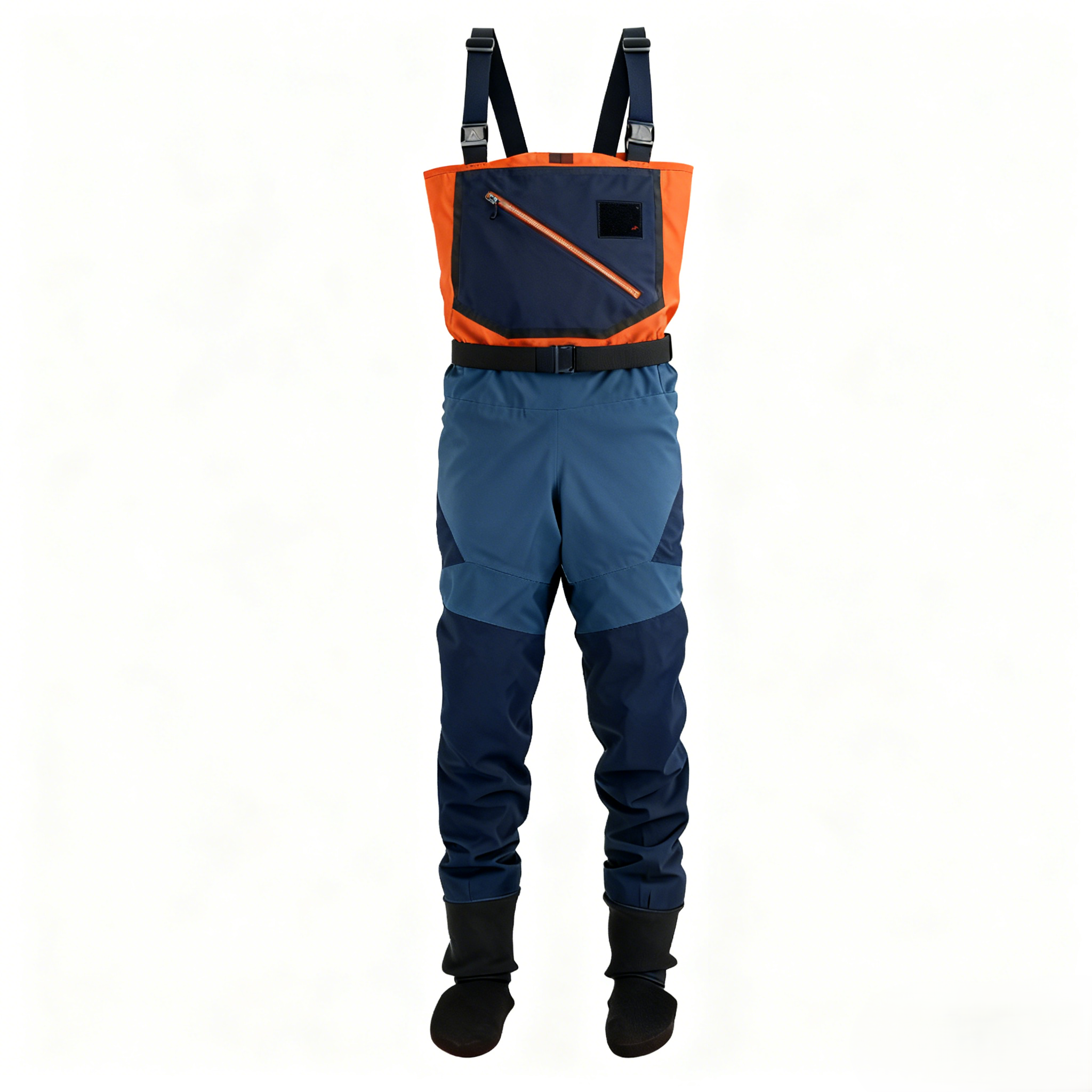
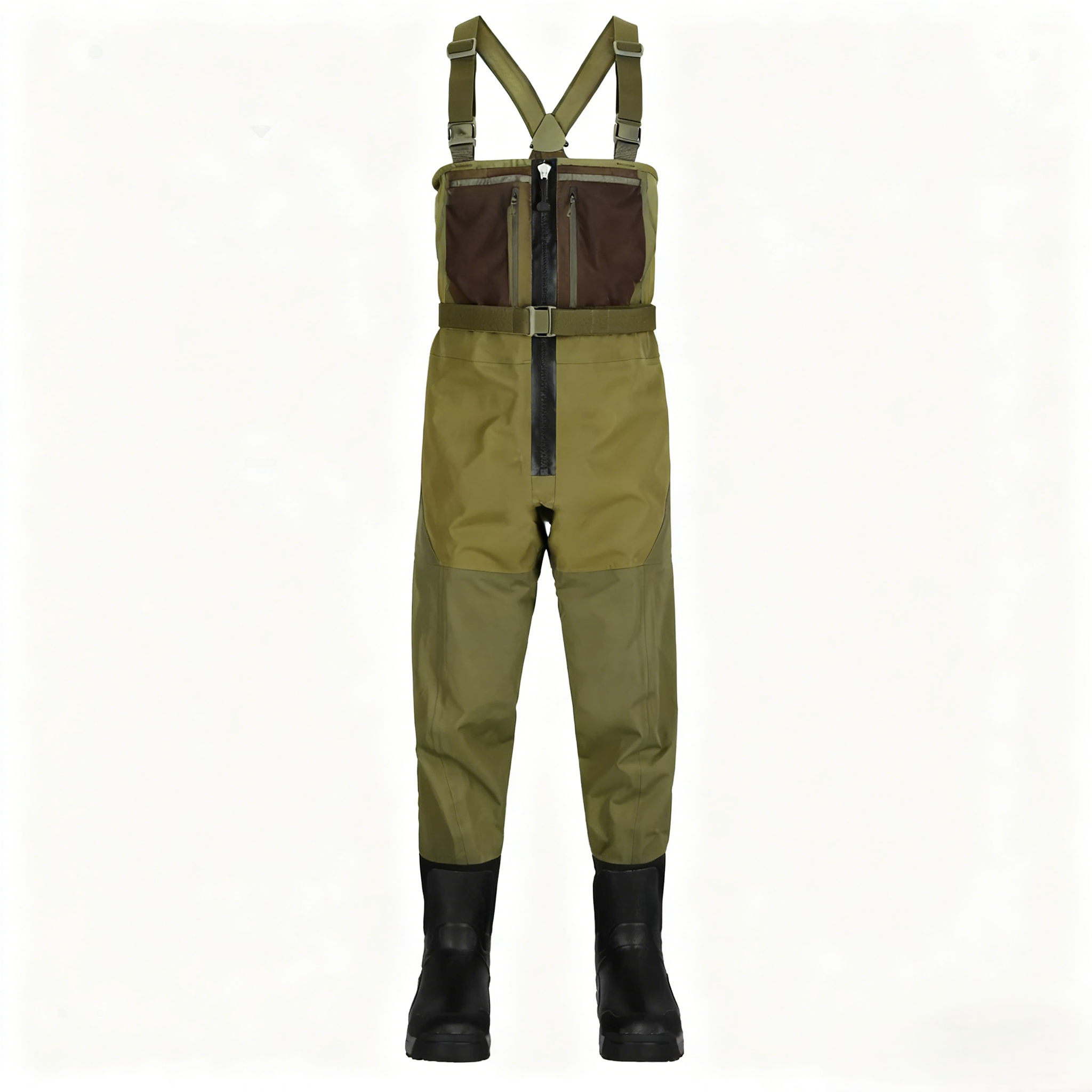
The fishing equipment industry continues to experience steady growth, with retailers and distributors seeking high-quality products that deliver exceptional value to their customers. Among the most crucial pieces of fishing gear, breathable chest waders stand out as essential equipment for serious anglers who demand comfort, protection, and longevity. Understanding which waders offer superior durability becomes paramount when building inventory that satisfies demanding customers while maximizing profit margins through reduced returns and warranty claims.
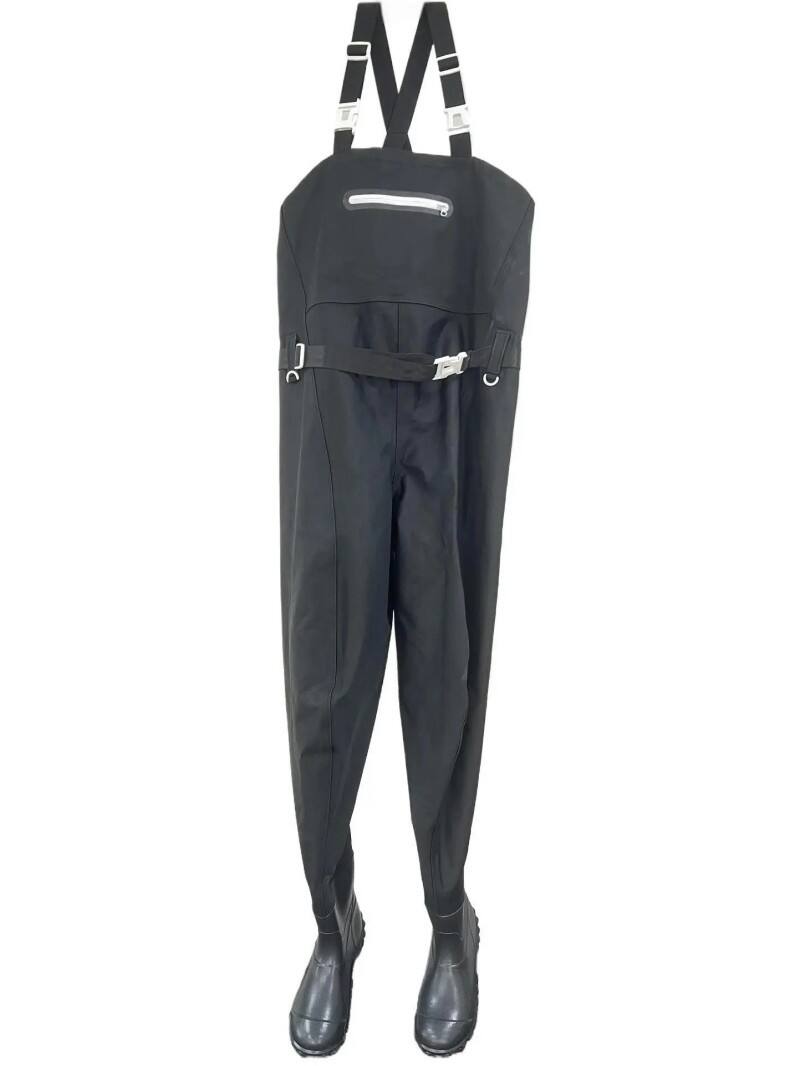
Modern fishing enthusiasts expect their waders to withstand rigorous conditions across diverse environments, from rocky stream beds to marshy wetlands. The construction quality and material selection directly impact product longevity, making these factors critical considerations for wholesale buyers. Premium waders incorporate advanced fabric technologies, reinforced seaming, and strategic design elements that extend operational lifespan while maintaining comfort during extended fishing sessions.
Retailers who stock durable waders benefit from enhanced customer satisfaction, reduced return rates, and stronger brand loyalty within their fishing communities. Distributors likewise gain competitive advantages by partnering with manufacturers who prioritize quality construction and innovative design approaches. The investment in superior wader inventory pays dividends through repeat customers and positive word-of-mouth recommendations that drive sustainable business growth.
Leading manufacturers utilize cutting-edge materials that balance breathability with waterproof protection, creating waders that perform reliably across varied fishing conditions. Three-layer fabric constructions have become industry standards, incorporating waterproof membranes sandwiched between protective outer shells and comfortable interior linings. These multi-layer systems provide superior tear resistance while maintaining essential moisture management properties that keep anglers comfortable during active use.
Nylon and polyester base fabrics offer excellent durability when properly treated with waterproof coatings and breathable membranes. The denier rating of these fabrics indicates thickness and durability potential, with higher denier materials providing enhanced puncture resistance against sharp rocks, thorns, and other environmental hazards. Manufacturers who invest in premium fabric sourcing typically produce waders that outperform lower-cost alternatives by significant margins.
Breathable chest waders featuring proprietary membrane technologies demonstrate superior longevity compared to basic waterproof materials. These advanced systems allow moisture vapor transmission while blocking liquid water penetration, preventing the internal condensation buildup that can compromise material integrity over time. The resulting products maintain their protective qualities longer while providing consistent comfort that encourages frequent use.
Strategic reinforcement placement significantly impacts wader durability, with manufacturers focusing on high-stress areas that experience the most wear during typical fishing activities. Knee and shin areas receive particular attention, as these zones frequently contact rocks, logs, and abrasive surfaces during stream navigation. Double-layer construction or specialized protective panels in these areas substantially extend product lifespan while maintaining flexibility for comfortable movement.
Seam construction quality determines long-term waterproof integrity, with welded or taped seams offering superior performance compared to basic stitching alone. Heat-welded seams create permanent bonds that resist separation under stress, while taped seams provide additional waterproof barriers that prevent moisture infiltration through needle holes. These construction techniques require specialized equipment and expertise, distinguishing premium manufacturers from budget-focused competitors.
Boot attachment methods represent another critical durability factor, as the junction between wader body and footwear experiences significant stress during use. Vulcanized rubber boots permanently bonded to wader legs provide exceptional longevity, while replaceable stocking foot designs offer flexibility with potential trade-offs in durability. Retailers should consider their customer preferences and usage patterns when selecting between these attachment approaches.
Professional fishing guides and serious anglers demand waders that facilitate natural movement without restriction, making ergonomic design essential for product success. Articulated knee construction allows natural leg flexion while reducing fabric stress that can lead to premature wear. These design elements become particularly important for customers who spend entire days wading through varied terrain and water conditions.
Adjustable suspender systems accommodate different body types while providing secure support that prevents slippage during active use. Quality suspenders feature durable hardware and comfortable padding that distributes weight evenly across the shoulders. These components must withstand repeated adjustments and prolonged tension without failure, as suspender problems can render otherwise functional waders unusable.
Internal pocket configurations and attachment points enhance utility while maintaining streamlined profiles that reduce snag potential. Well-designed storage solutions allow anglers to carry essential equipment without compromising mobility or creating vulnerability points that could tear during normal use. The integration of these features requires careful planning to avoid compromising the wader's primary protective functions.
Effective temperature regulation capabilities distinguish premium waders from basic models, particularly important for customers fishing across diverse climatic conditions. Breathable fabrics must balance moisture vapor transmission with thermal insulation properties, allowing comfortable use during both warm and cool weather periods. This versatility extends the useful season for wader applications, increasing customer satisfaction and product value perception.
Integrated ventilation systems provide additional temperature control options, with strategically placed vents allowing increased airflow when conditions warrant. These features typically include waterproof zippers or valve systems that maintain protection while enabling enhanced cooling. The mechanical complexity of these systems requires robust construction to ensure long-term reliability under field conditions.
Layering compatibility allows users to adapt their thermal protection by adding or removing insulating garments beneath their waders. This flexibility requires appropriate sizing and internal fabric selection to accommodate layered clothing without restricting movement. Manufacturers who consider layering requirements during design phases typically produce more versatile products that satisfy broader customer needs throughout varying seasonal conditions.
Comprehensive testing protocols evaluate wader performance across multiple stress scenarios that simulate real-world fishing conditions. Puncture resistance testing measures fabric ability to withstand sharp object contact, while abrasion testing assesses surface durability against repeated contact with rough surfaces. These standardized evaluations provide objective data that retailers can use to compare products from different manufacturers.
Seam integrity testing subjects construction joints to controlled stress loads that exceed typical use requirements, identifying potential failure points before products reach customers. Hydrostatic pressure testing verifies waterproof performance under various conditions, ensuring consistent protection across the entire wader surface. These quality assurance measures separate reliable manufacturers from those who prioritize cost reduction over performance standards.
Long-term aging tests expose materials to accelerated environmental conditions that simulate extended use periods, revealing potential degradation issues that might not appear during initial quality checks. UV exposure, temperature cycling, and chemical exposure protocols help predict product lifespan under realistic field conditions. Manufacturers who invest in comprehensive testing typically produce more reliable products with predictable performance characteristics.
Professional testing programs involving experienced guides and fishing professionals provide real-world performance data that complements laboratory testing results. These field trials expose waders to authentic use conditions while gathering detailed feedback about comfort, durability, and functionality aspects that affect user satisfaction. The insights gained from professional testing help manufacturers refine their products while providing retailers with confident product knowledge.
Customer feedback collection systems enable continuous product improvement while identifying common failure modes that might indicate design or manufacturing issues. Warranty claim analysis provides valuable data about product weak points and helps guide future development efforts. Retailers who partner with manufacturers utilizing robust feedback systems benefit from improved product reliability and enhanced customer support capabilities.
Comparative analysis against competitor products reveals relative performance advantages and helps identify market positioning opportunities. Independent testing organizations sometimes provide unbiased evaluations that assist both retailers and customers in making informed purchasing decisions. These resources become particularly valuable when introducing new products or explaining performance differences to potential customers.
Fishing guides and charter boat operators represent demanding customer segments who require maximum durability and reliability from their equipment. These professionals use their waders extensively across varied conditions, making product longevity essential for their business operations. The breathable chest waders that satisfy professional requirements typically command premium prices while generating strong customer loyalty through proven performance.
Commercial fishing applications demand specialized features that address unique operational challenges, including enhanced chemical resistance and extended wear characteristics. These users often require specific sizing options and customization capabilities that standard retail products might not provide. Retailers serving professional markets benefit from understanding these specialized requirements and partnering with manufacturers who can accommodate professional-grade specifications.
Professional endorsements and testimonials carry significant weight within fishing communities, as experienced guides and captains influence equipment choices among recreational anglers. Manufacturers who successfully serve professional markets often gain marketing advantages through authentic user testimonials and field-proven performance claims. This credibility translates into increased retail demand and customer confidence in product quality.
Weekend anglers and casual fishing enthusiasts represent substantial market volumes with diverse needs and budget constraints. These customers often prioritize value relationships between price and expected performance, seeking products that provide reliable service without premium pricing. Understanding recreational user patterns helps retailers select appropriate product mixes that satisfy customer expectations while maintaining profitable margins.
Seasonal usage patterns among recreational customers create opportunities for strategic inventory management and promotional pricing strategies. Many recreational anglers use their waders primarily during specific seasons or for particular fishing activities, affecting durability requirements and feature priorities. Retailers who understand these usage patterns can optimize their product selections and marketing approaches to better serve customer needs.
Family and youth market segments present growth opportunities for retailers who stock appropriate sizing ranges and entry-level products. These customers often transition to higher-quality equipment as their involvement in fishing activities increases, creating opportunities for progressive selling and long-term customer relationships. Manufacturers who offer comprehensive sizing options and scalable quality levels enable retailers to serve broader customer bases effectively.
Three-layer breathable waders typically offer superior long-term durability compared to traditional rubber waders due to their advanced material construction and reduced internal moisture buildup. While rubber waders may initially seem more robust, they tend to develop cracks and deterioration from UV exposure and temperature fluctuations. Breathable waders maintain their integrity longer because the moisture management properties prevent internal condensation that can weaken materials over time. Additionally, the fabric construction of breathable waders provides better puncture resistance and flexibility, reducing stress concentrations that lead to failure in rigid rubber materials.
Proper maintenance significantly extends wader lifespan and includes thorough cleaning after each use, particularly removing salt, sand, and organic debris that can degrade materials. Storing waders in cool, dry locations away from direct sunlight prevents UV damage and material degradation. Regular inspection of seams, fabric surfaces, and hardware helps identify minor issues before they become major problems. Applying appropriate waterproofing treatments according to manufacturer specifications maintains protective qualities, while avoiding harsh detergents and chemicals preserves fabric integrity. Proper drying techniques, including turning waders inside out and ensuring complete moisture removal, prevent mold and mildew growth that can compromise materials.
Key durability indicators include welded or heat-taped seams rather than simple stitching, reinforced panels in high-wear areas like knees and shins, and high-denier fabric construction that resists punctures and abrasion. Quality zippers with waterproof construction and protective flaps demonstrate attention to long-term reliability. Articulated knee design reduces fabric stress during movement, while quality suspender hardware and adjustment mechanisms indicate overall construction standards. The boot attachment method also affects durability, with vulcanized rubber boots typically offering longer service life than glued connections.
Retailers should assess supplier testing protocols, warranty programs, and quality control procedures to evaluate product reliability. Requesting material specifications, construction details, and performance testing data helps compare different suppliers objectively. Customer feedback collection systems and warranty claim handling procedures indicate manufacturer commitment to product quality and customer satisfaction. Field testing programs involving professional users provide valuable performance validation, while industry certifications and compliance standards demonstrate manufacturing quality standards. Long-term supplier relationships and consistent product availability also indicate reliable manufacturing capabilities that support retail business needs.

 EN
EN