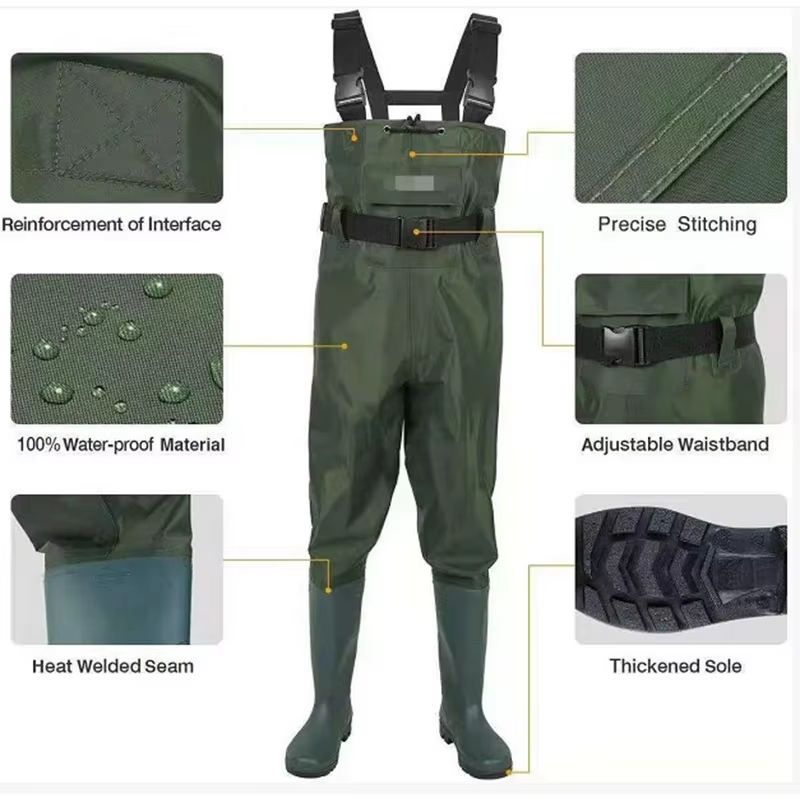
Selecting the right fishing waders can make the difference between an enjoyable day on the water and a miserable, wet experience. Whether you're stalking trout in mountain streams or casting in coastal waters, your choice of fishing waders will significantly impact your comfort, mobility, and overall fishing success. This comprehensive guide will walk you through everything you need to know about choosing the perfect waders for your specific fishing environment and needs.
Neoprene fishing waders have long been a favorite among anglers who fish in cold waters. These waders offer superior insulation and are typically available in different thicknesses, ranging from 3mm to 5mm. The thicker the neoprene, the warmer the wader, but this also means less flexibility. Neoprene waders are particularly effective for winter fishing and deep-water situations where maintaining body heat is crucial.
The durability of neoprene fishing waders is another significant advantage. They can withstand rough conditions and are less likely to puncture when encountering underwater obstacles. However, they can become quite warm during summer months and may restrict movement more than other materials.
Modern breathable fishing waders represent the pinnacle of wader technology. These waders utilize advanced materials like Gore-Tex and similar membranes that allow sweat vapor to escape while preventing water from entering. This technology makes them ideal for active anglers who move frequently or fish in varying weather conditions.
The multi-layer construction of breathable waders typically includes an outer layer for durability, a waterproof membrane, and an inner layer for comfort. This combination provides excellent protection while maintaining comfort during long days on the water. They're lighter than neoprene and offer superior mobility, making them a top choice for fly fishing and situations requiring precise movements.
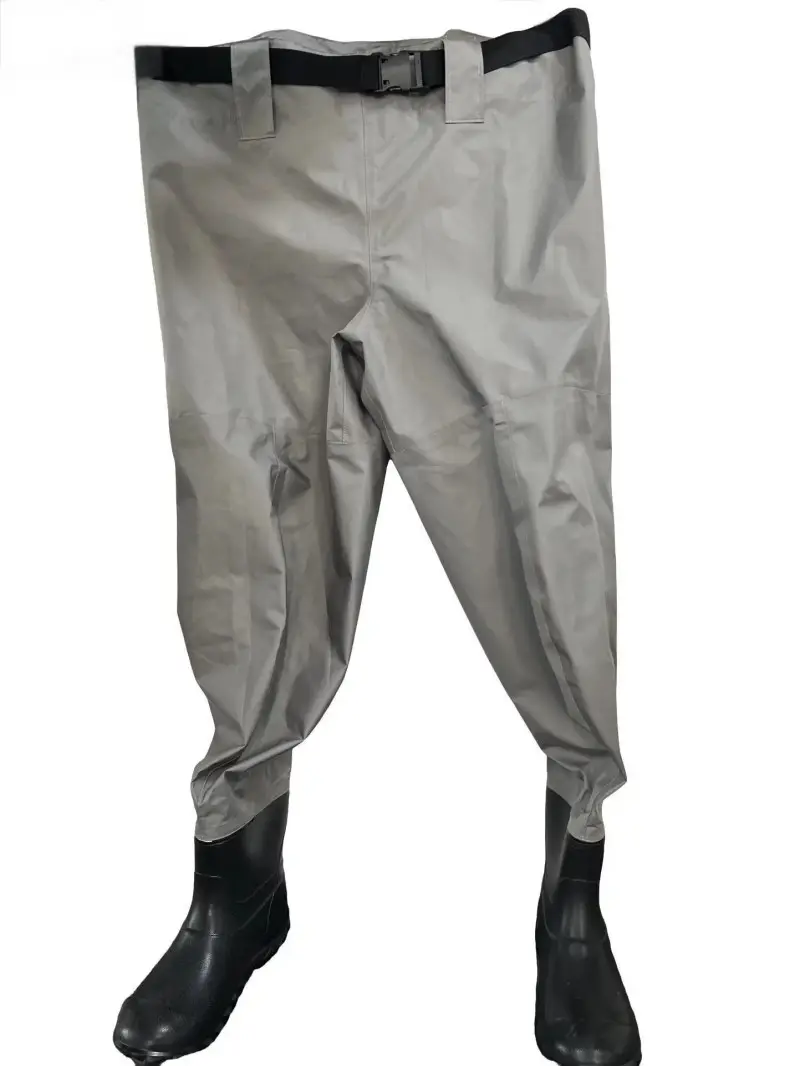
Hip waders are perfect for fishing in shallow streams and rivers where water rarely exceeds thigh depth. These fishing waders attach to your belt and provide protection up to your hips, offering excellent mobility and comfort for warm-weather fishing. They're lightweight, easy to transport, and ideal for situations where full-body coverage isn't necessary.
When selecting hip waders, look for models with reinforced knee areas and sturdy boot attachments. The best hip waders feature adjustable belt attachments and comfortable boot designs that allow for extended wear without discomfort.
Chest waders are the most versatile option for serious anglers. These full-coverage fishing waders provide protection from chest to toe, allowing you to navigate deeper waters safely. They're essential for deep river fishing, lake fishing from the shore, and situations where you need maximum protection from the elements.
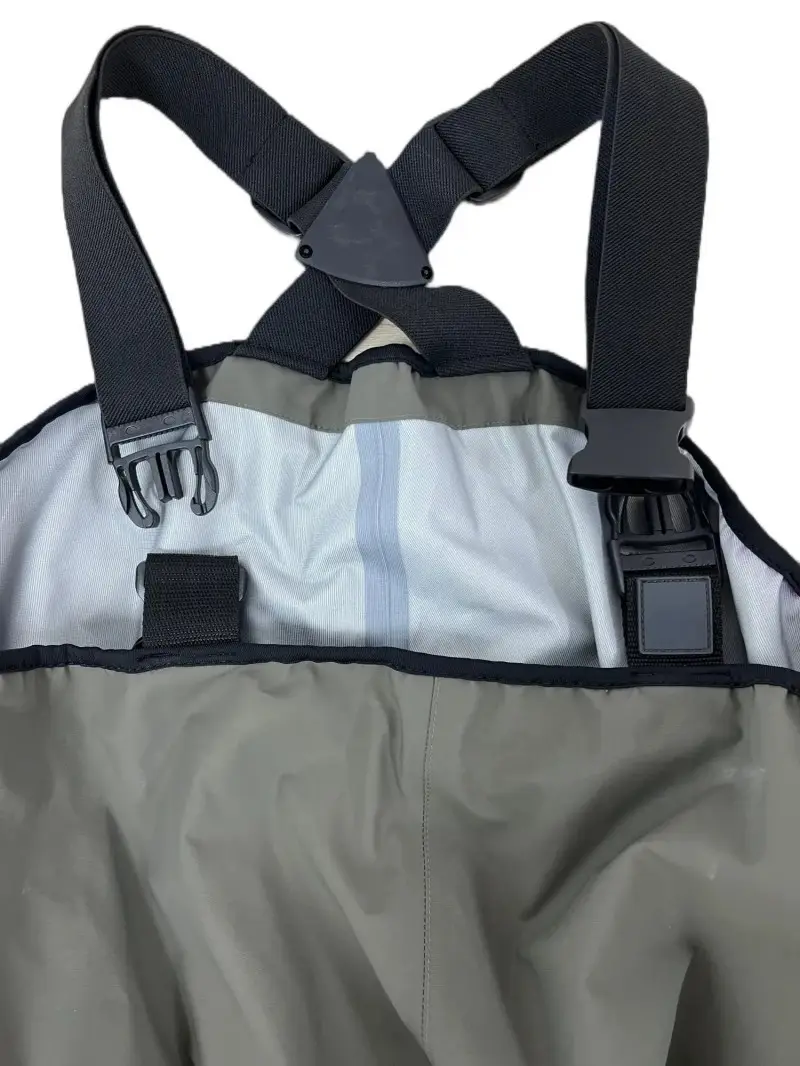
Modern chest waders come equipped with various features like front pockets, reinforced knees, and adjustable suspenders. Some premium models include hand-warming pockets and gear attachment points, making them ideal for extended fishing sessions in challenging conditions.
Summer fishing demands breathable, lightweight waders that prevent overheating while maintaining necessary protection. During warm months, prioritize fishing waders with excellent ventilation and moisture-wicking properties. Breathable materials become essential, as they allow perspiration to escape while keeping water out.
Consider choosing waders with convertible features that allow you to roll down the upper portion during warmer parts of the day. This flexibility helps regulate body temperature while maintaining the protection needed for your fishing environment.
Cold-weather fishing requires waders that provide superior insulation without compromising mobility. Winter fishing waders should offer enough space to accommodate additional layers of clothing underneath. Look for models with reinforced seams and quality boot insulation to prevent heat loss through the feet.
Many anglers opt for neoprene options during winter months, but modern breathable waders with appropriate layering can be equally effective. The key is selecting fishing waders that maintain warmth while allowing enough flexibility for comfortable movement.
Accurate measurements are crucial when selecting fishing waders. Measure your inseam, chest, and waist while wearing the clothing you plan to use under your waders. Remember to account for additional layers during cold weather fishing. The perfect fit allows for comfortable movement without excess material that could cause snags or leaks.
Boot-foot waders require special attention to sizing, as you'll need to ensure both the wader and boot portions fit correctly. Consider going up a size in boot-foot waders to accommodate thick socks and insoles for comfort during long fishing sessions.
Quality fishing waders include various adjustment points to customize the fit. Look for models with adjustable suspenders, waist belts, and gravel guards. These features allow you to modify the fit based on your clothing layers and fishing conditions. Proper adjustment ensures your waders perform as intended and maintain their waterproof integrity.
Some premium waders offer additional customization options like adjustable boot insoles and convertible tops. These features can significantly enhance comfort and versatility across different fishing situations.
With proper care and maintenance, quality fishing waders typically last 3-5 years with regular use. The lifespan can be extended by properly storing waders, promptly repairing any damage, and avoiding excessive exposure to direct sunlight.
The choice between stockingfoot and bootfoot waders depends on your specific needs. Stockingfoot waders offer more versatility and customizable fit with separate wading boots, while bootfoot waders provide convenience and are often preferred for cold weather fishing.
Proper care includes rinsing after each use, hanging to dry away from direct sunlight, storing in a cool, dry place, and regularly checking for leaks. Apply appropriate waterproofing treatments as recommended by the manufacturer to maintain performance.

 EN
EN