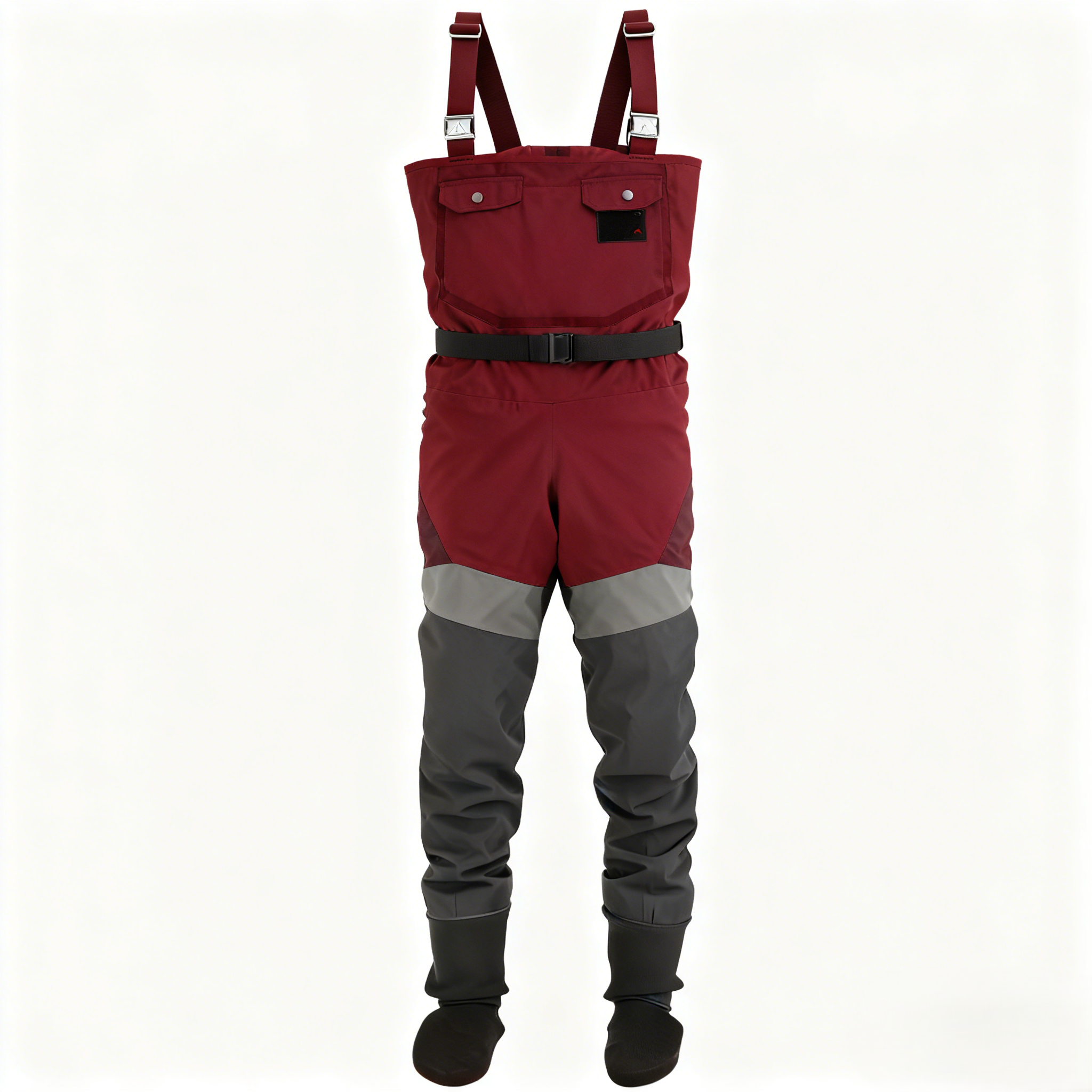
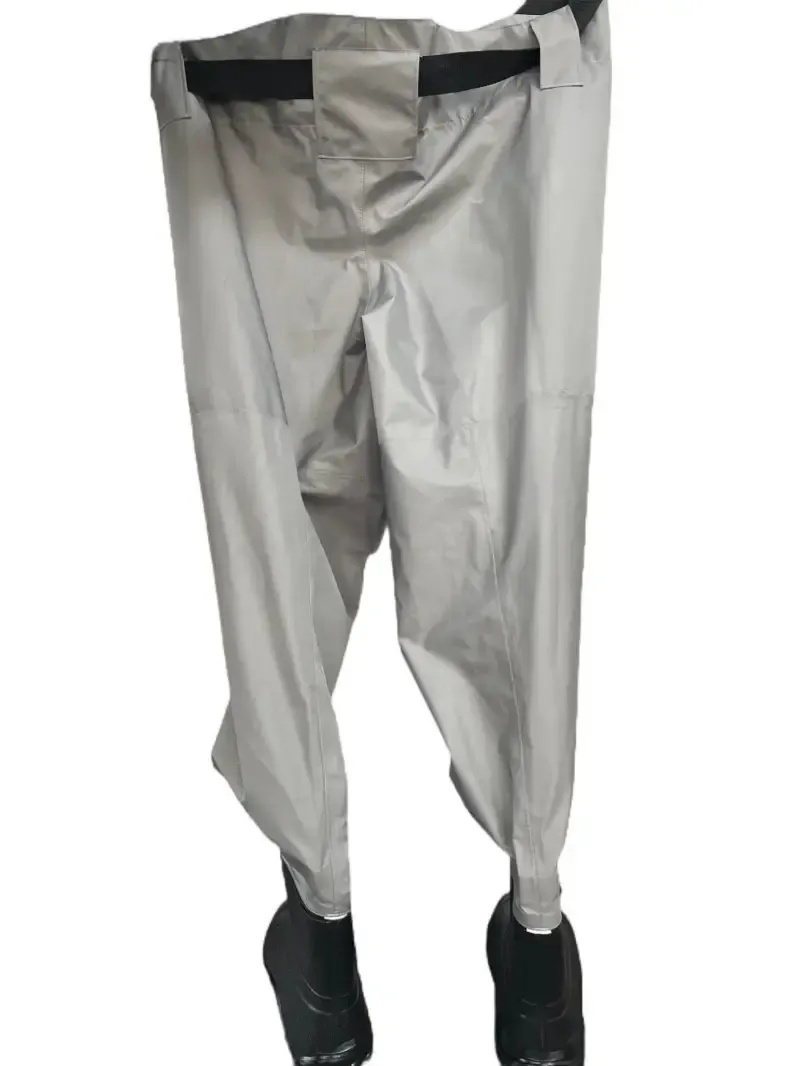
Spending long hours outdoors wading through rivers, marshes, or flooded fields demands gear that works as hard as you do. chest waders are the cornerstone of any serious angler's or hunter's kit, but not all of them deliver the same level of comfort over extended wear. Understanding what separates a pair that feels like a second skin from one that leaves you sore and fatigued is the key to making a smart purchase decision.
Whether you are standing knee-deep in a cold mountain stream for a full day of fly fishing or moving through dense wetland vegetation during a hunting expedition, the comfort factors built into chest waders determine your endurance, focus, and safety. This article breaks down the specific design, material, and ergonomic elements that make chest waders genuinely comfortable for long outdoor use, so you can evaluate your options with confidence.
One of the most significant contributors to long-wear comfort in chest waders is breathability. When you are active outdoors for several hours, your body generates heat and moisture. If the wader material traps that moisture against your skin, you end up wet from the inside, leading to chafing, overheating, and fatigue. Breathable chest waders allow water vapor to escape outward while still blocking external water from entering.
Modern breathable chest waders typically use multi-layer laminate fabrics that are both waterproof and moisture-permeable. This combination is essential for activities that involve consistent movement, such as wading upstream, hiking between fishing spots, or navigating uneven terrain. Without adequate breathability, even a high-quality pair of chest waders can become uncomfortable within the first two hours of use.
The breathability rating of the outer fabric matters, but so does the inner lining. A soft, moisture-wicking interior layer keeps the skin dry and reduces friction during extended movement. When evaluating chest waders for comfort, always consider both the outer shell's waterproof-breathable rating and the quality of the interior finish.
Heavier chest waders may offer durability, but they impose a physical burden over long periods of wear. Lightweight nylon-based chest waders strike a practical balance, offering enough durability for rough terrain while keeping the overall weight low enough to reduce leg fatigue. The less weight you are carrying with each step, the longer you can stay active and focused.
Fabric flexibility directly affects how naturally the chest waders move with your body. Stiff materials restrict stride and make crouching, climbing over rocks, or stepping into fast-moving water feel awkward and tiring. A fabric with four-way stretch capability allows the chest waders to conform to your movements rather than resist them, reducing muscle strain throughout the day.
For long outdoor use, the ideal chest waders are made from materials that remain pliable even in cold conditions. Some fabrics stiffen significantly in low temperatures, which dramatically reduces mobility and increases the physical effort required to move through the water. Cold-weather anglers and hunters should specifically look for chest waders rated for flexible performance across a wide temperature range.
The boot section of chest waders is where comfort challenges are most frequently felt during long outdoor sessions. An integrated boot that is attached directly to the wader body eliminates the seam vulnerabilities that come with separate wading boots, but it also means the fit must be right from the start. A boot that is too tight compresses the foot and restricts circulation, while one that is too loose causes blisters from friction.
Chest waders with well-constructed integrated boots offer adequate toe room, arch support, and ankle stability. These three factors together determine whether your feet remain comfortable after hours of standing in current or walking across uneven riverbeds. Many users underestimate how much ankle support contributes to overall body comfort, since poor ankle stability leads to compensatory muscle use higher up the leg.
The sole construction also matters significantly. A grippy, non-slip sole keeps you secure on slippery surfaces, which reduces the mental and muscular tension of trying to stay balanced. Feeling secure underfoot allows you to relax your posture and move more naturally, which directly reduces fatigue over time.
Cold feet are one of the fastest paths to a shortened outdoor session. Chest waders designed for long use in cold water often incorporate neoprene or insulated boot sections that retain warmth even when submerged. The level of insulation needed depends heavily on the water temperature and season, but having some degree of thermal protection at the foot and ankle level is consistently rated as a major comfort factor by experienced users.
At the same time, over-insulated boots can cause overheating during active movement, particularly on land or in warmer conditions. The best chest waders for long outdoor use offer a thoughtful balance of insulation that manages cold without trapping excessive heat. This balance is difficult to achieve but makes a measurable difference in how long you can comfortably wear the gear.
Wearing the right thickness of wading socks inside chest waders also plays a role, but the base level of thermal management starts with how the boot itself is constructed. Buyers who plan to use their chest waders across multiple seasons should consider how well the boot design adapts to varying temperature conditions.
The upper portion of chest waders carries its own set of comfort considerations. Shoulder straps that are too narrow, too stiff, or improperly adjusted create pressure points that become increasingly painful over the course of a long day. Wide, padded shoulder straps distribute the weight of the wader material more evenly and reduce the strain on the shoulders and upper back.
Adjustability is equally important. Chest waders designed for long outdoor use should offer easy strap adjustment so you can fine-tune the fit throughout the day. As your activity level changes, you may want to loosen or tighten the straps to maintain comfort and posture. Fixed-length straps that cannot be adjusted on the fly are a notable drawback for extended wear scenarios.
Some chest waders incorporate an elastic or bungee-style suspension system that provides a degree of passive adjustment, moving slightly with your body rather than pulling against it. This design reduces the feeling of being 'locked in' and allows for more natural torso movement, which is particularly valuable during activities that involve a lot of bending, reaching, or casting.
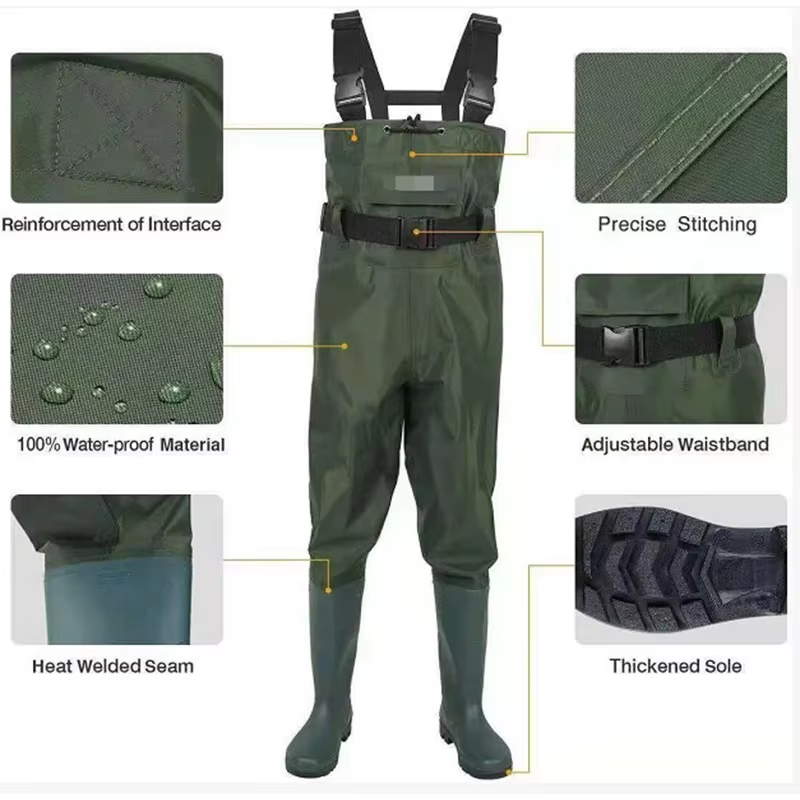
The chest panel of chest waders needs to be roomy enough to allow unrestricted arm movement and deep breathing, yet fitted enough to prevent the material from bunching or creating uncomfortable folds. An excess of loose fabric around the torso tends to catch on vegetation, create awkward resistance in moving water, and bunch uncomfortably under a fishing vest or jacket.
Chest waders that offer a contoured torso design perform significantly better during long sessions because the material stays where it belongs rather than shifting around with movement. Articulated knees and a gusseted crotch section further enhance freedom of movement, allowing you to step high, wade in deep currents, or crouch behind cover without the wader pulling uncomfortably.
For users who plan to wear additional layers underneath their chest waders in cold conditions, it is worth sizing with that layering in mind. Chest waders that are fitted too tightly over bulky base layers will compress those layers and eliminate their insulating effectiveness, as well as restricting circulation and movement.
Poorly sealed or constructed seams are a major source of discomfort in chest waders worn for long periods. Rough interior seams chafe against the skin or underlying clothing, particularly at high-friction points like the inner thighs, knees, and the junction between the boot and the leg. Over the course of several hours, even minor seam irritation compounds into genuine discomfort that shortens your time outdoors.
Fully taped or welded seams offer the smoothest interior surface and the best waterproof integrity. In quality chest waders, the seams are designed to lie flat and smooth against the body, contributing to an overall comfortable interior environment. This construction detail is often invisible from the outside but makes an enormous practical difference when wearing chest waders from dawn to dusk.
Critically sealed seams also prevent water ingress at the most vulnerable points of chest waders, keeping you dry and therefore warmer and more comfortable throughout the day. A small leak that soaks through an inner sock or trouser layer may seem minor at first, but wet clothing in cold outdoor conditions rapidly degrades both comfort and safety.
Even the most well-engineered chest waders will underperform if the sizing is wrong. Chest waders that are too short pull uncomfortably at the shoulders and restrict your stride, while those that are too long bunch at the ankles and create trip hazards. Manufacturers that offer multiple inseam lengths or body-specific fits enable users to find chest waders that align with their actual proportions.
Getting the right size is especially important for users with non-standard body shapes or who plan to wear significant layering underneath. Taking accurate measurements before purchasing and cross-referencing them against the manufacturer's sizing chart is one of the most impactful steps you can take to ensure all-day comfort from your chest waders.
Some chest waders include adjustable features at the waist or leg openings that allow for minor fit corrections after purchase. While these adjustments cannot compensate for a fundamentally wrong size, they do provide a useful degree of customization that contributes to a better overall fit and therefore better long-term wearability.
Comfort during long outdoor sessions is not purely physical. Feeling safe and visible in the field contributes to mental ease, which in turn reduces the kind of anxiety-driven fatigue that comes from worrying about being seen by other users, boaters, or hunters. Chest waders that incorporate high-visibility panels or coloring allow you to remain clearly identifiable in low-light conditions, in dense vegetation, or on fast-moving water.
High-visibility chest waders are particularly valuable during early morning or late afternoon fishing sessions when light levels are low and other water users may have reduced awareness of your presence. This visibility feature is not just a safety measure — it actively supports longer, more relaxed outdoor sessions because you are not constantly managing awareness of your own visibility to others.
Chest waders designed with high-visibility elements do not sacrifice style or professional appearance. The integration of strategic bright panels into an otherwise functional design reflects a thoughtful approach to outdoor gear that prioritizes both safety and comfort over extended periods of use.
Accessing gear, tools, and essentials without removing your chest waders is a significant quality-of-life factor during long outdoor sessions. Well-placed pockets, D-rings, and accessory attachment points on chest waders allow you to keep frequently needed items within easy reach without the need to wade back to shore or dig through a separate pack.
Chest waders with a front chest pocket or zippered storage section provide a secure, waterproof location for small items like fishing licenses, a phone, or a snack. The convenience of these features reduces the number of interruptions during your session, which in turn supports a more sustained and comfortable experience in the field.
Accessibility features are often overlooked when evaluating chest waders for comfort, but experienced outdoor users consistently cite them as differentiating factors between gear that genuinely supports long sessions and gear that only partially meets their needs. Thoughtful detail design reflects a manufacturer's understanding of how chest waders are actually used in the field.
Breathable, lightweight nylon laminates are generally the best choice for long-duration outdoor use. They allow moisture vapor to escape from the inside while blocking external water, which keeps the wearer dry and comfortable. For cold-water environments, a neoprene boot section adds valuable thermal protection without significantly increasing overall weight.
Properly fitting chest waders should allow you to take a full, natural stride without pulling at the shoulders or bunching at the ankles. You should be able to raise your arms overhead, crouch fully, and step over obstacles without the material restricting your movement. If you plan to layer underneath, size up to account for that additional bulk and ensure circulation is not restricted.
Yes, indirectly. High-visibility elements on chest waders improve safety in low-light or busy outdoor environments, which reduces mental stress and fatigue. When you feel visible and secure in the field, you can focus more fully on your activity rather than managing safety concerns, which contributes to a more relaxed and sustainable long-duration outdoor experience.
Seam construction is critically important. Rough or improperly sealed interior seams cause chafing at high-friction zones, particularly the inner thighs and knees, which compounds into significant discomfort over several hours. Fully taped or welded seams provide a smooth interior surface and prevent water ingress, both of which directly support comfort and dryness during extended outdoor use in chest waders.

 EN
EN