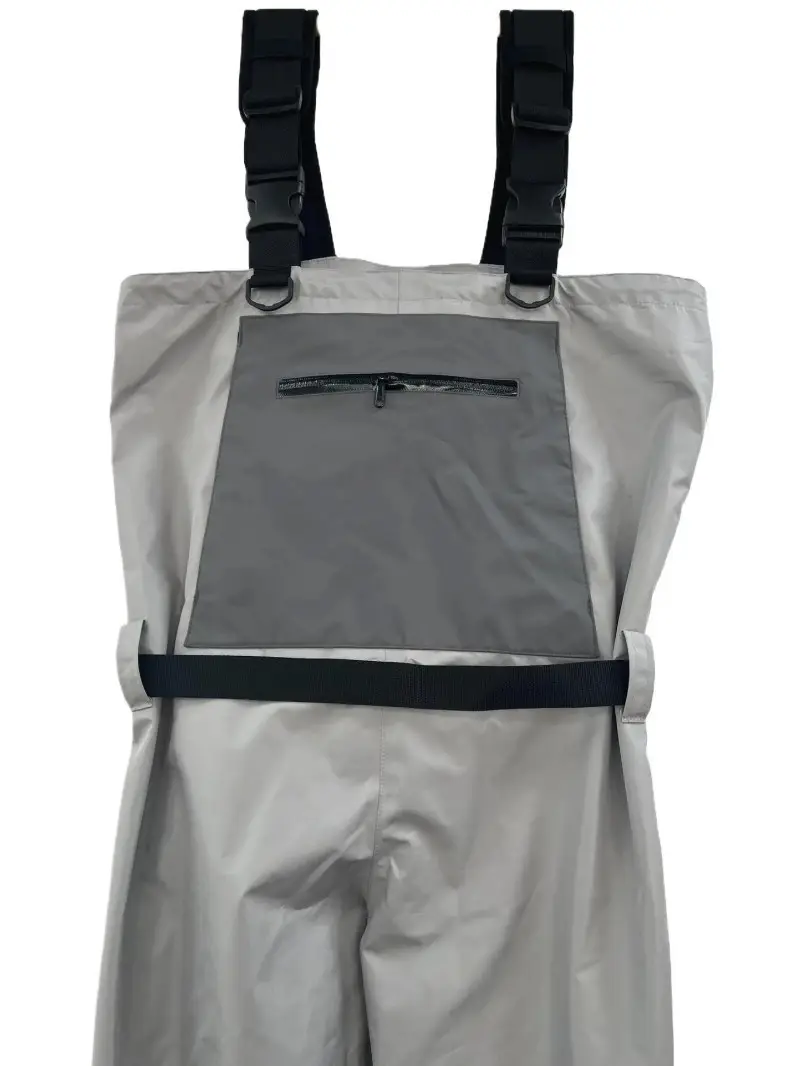
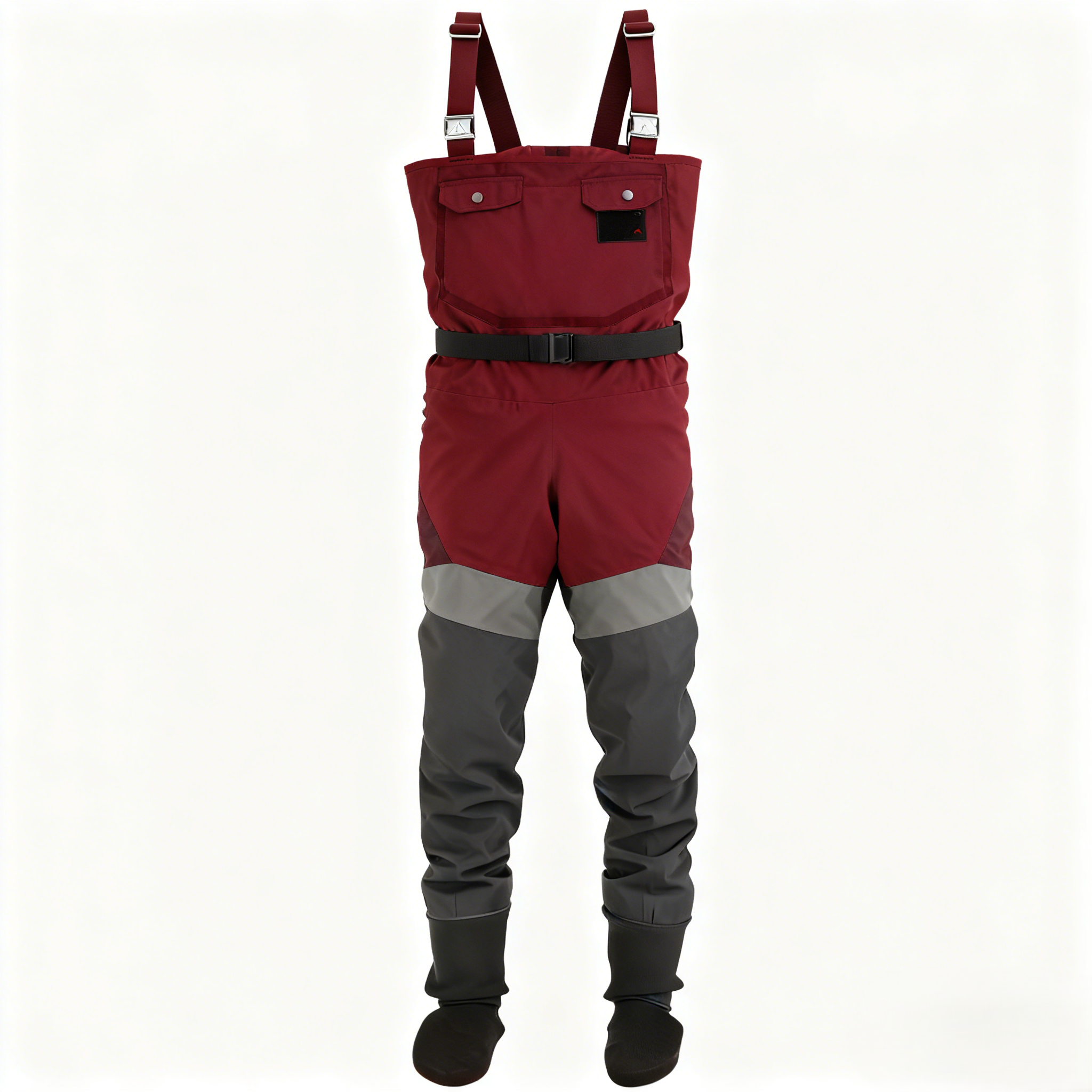
When temperatures drop and rivers run icy, anglers face a fundamental question: what gear will actually keep them safe, warm, and functional for hours in freezing water? The answer, for generations of serious cold-water fishermen, has consistently been thick neoprene waders. Despite being heavier than their breathable counterparts, these waders have not faded from the market — they have held their ground and, in many cold-water contexts, expanded their following.
The dominance of thick neoprene waders in cold-water fishing is not accidental or driven by tradition alone. It is rooted in material science, thermal physics, and the hard-won experience of anglers who have learned what works when water temperatures approach freezing. This article examines the specific reasons why thick neoprene waders continue to outperform lighter alternatives in truly cold conditions, and why their weight is ultimately a trade-off that serious cold-water anglers are willing to make.
Neoprene is a closed-cell synthetic rubber that traps a thin layer of water between the material and the angler's skin. The body heats this layer, which then acts as a thermal buffer against the surrounding cold water. This mechanism is the same principle used in wetsuits, and it is remarkably effective even in water temperatures near freezing. Thick neoprene waders, typically in the 4mm to 5mm range, extend this insulating layer significantly compared to thinner alternatives.
The thickness of the material directly correlates with its insulating value, measured in terms of how slowly heat transfers through the material. A 5mm neoprene panel loses body heat at a substantially slower rate than a 3mm panel, and that difference becomes critical when an angler is standing in a mountain stream where water temperatures hover around 35 to 42 degrees Fahrenheit. Over a four-hour fishing session, that insulating gap translates into the difference between comfortable productivity and dangerous cold stress.
Unlike breathable waders, which rely on layering underneath to provide warmth, thick neoprene waders carry the insulation in the wader itself. This built-in thermal system means consistent warmth regardless of how compressed or adjusted the base layers become during movement. The angler does not have to manage a complex layering system — the neoprene does the work.
Breathable waders made from materials like Gore-Tex or similar laminates are outstanding in moderate temperatures. They manage moisture from perspiration effectively and reduce the suffocating feeling of non-breathable materials during active hiking. However, their thermal performance in truly cold water is dependent entirely on what is worn underneath. When temperatures drop severely, the layering required under breathable waders becomes bulky, restricts movement, and still may not match the consistent warmth that thick neoprene waders provide inherently.
Another limitation of breathable waders in cold water is their response to submersion. If an angler slips in a fast-moving river, breathable waders with no inherent buoyancy can flood quickly, creating a life-threatening situation. Thick neoprene waders, by contrast, provide a degree of buoyancy due to the closed-cell foam structure of the material, which can buy critical seconds in a cold-water emergency. This functional safety dimension is rarely discussed but deeply appreciated by experienced anglers.
Critics of thick neoprene waders frequently cite weight as a dealbreaker, and it is true that a quality pair of 5mm neoprene chest waders weighs considerably more than breathable waders. However, this comparison fails to account for the actual conditions of cold-water fishing. When an angler is stationary for extended periods — standing in a river, waiting for a bite — the metabolic rate drops and cold penetrates faster. In that context, the weight of thick neoprene waders is not a burden; it is ballast that keeps the angler warm, grounded, and functional.
Fatigue from cold is physiologically more debilitating than fatigue from carrying extra weight. Hypothermia, even in mild forms, impairs judgment, reduces coordination, and cuts fishing sessions short. Anglers who have experienced both know that arriving tired but warm is far preferable to arriving light but shivering. The weight argument against thick neoprene waders weakens considerably when the alternative is leaving the water early due to cold.
The density and structure of thick neoprene waders contribute to a stable, form-fitting feel that many cold-water anglers find reassuring when wading in swift or unpredictable currents. The material conforms to the body after initial wear-in, reducing the loose, baggy quality that some lighter waders develop over time. This fit improves both comfort and mobility over long sessions.
In cold and fast-moving water, stability is a safety concern. The added weight and snug fit of thick neoprene waders can actually improve an angler's sense of groundedness in the current. When combined with wading boots and a wading staff, the overall system provides a level of confidence in rough water that lighter, more billowy waders sometimes cannot match. This is a nuanced benefit, but it is one that experienced guides and seasoned anglers cite consistently.
The integrated boot options available with many thick neoprene waders further consolidate the gear system. A wader with a pre-attached neoprene boot eliminates one more interface where cold water could enter, providing seamless thermal protection from chest to toe. For duck hunters and winter steelhead anglers who may stand in one spot for hours, this sealed system is not a luxury — it is a necessity.
Thick neoprene waders are built to withstand punishment. The material resists abrasion from river rocks, gravel bars, and submerged debris far better than many thin breathable membranes, which can develop micro-tears over time from the same rough contact. In environments where anglers regularly push through brush, climb over boulders, or drag gear across rocky banks, the ruggedness of neoprene provides meaningful longevity.
Seams in thick neoprene waders are typically glued and blind-stitched, a construction method that creates a strong, water-resistant joint. High-end models add additional tape sealing over these joints. The result is a wader that can withstand years of heavy cold-water use with proper care, often outlasting breathable waders that are more susceptible to delamination or membrane failure in harsh conditions.
Neoprene also holds up well to the freeze-thaw cycling that occurs in cold climates. Breathable membranes can become stiff or lose performance characteristics when repeatedly exposed to sub-zero temperatures. Neoprene retains its flexibility across a wide temperature range, meaning thick neoprene waders are ready to perform whether the gear has been stored in a cold truck overnight or pulled from a frost-covered bag on a winter morning.
One underappreciated advantage of thick neoprene waders is how maintainable they are in the field. Neoprene cement is widely available, inexpensive, and highly effective for sealing small punctures or seam separations. An angler can repair minor damage on-site or at home without sending the waders back to a manufacturer or purchasing specialized repair kits. This repairability extends the usable life of the waders and reduces long-term ownership costs.
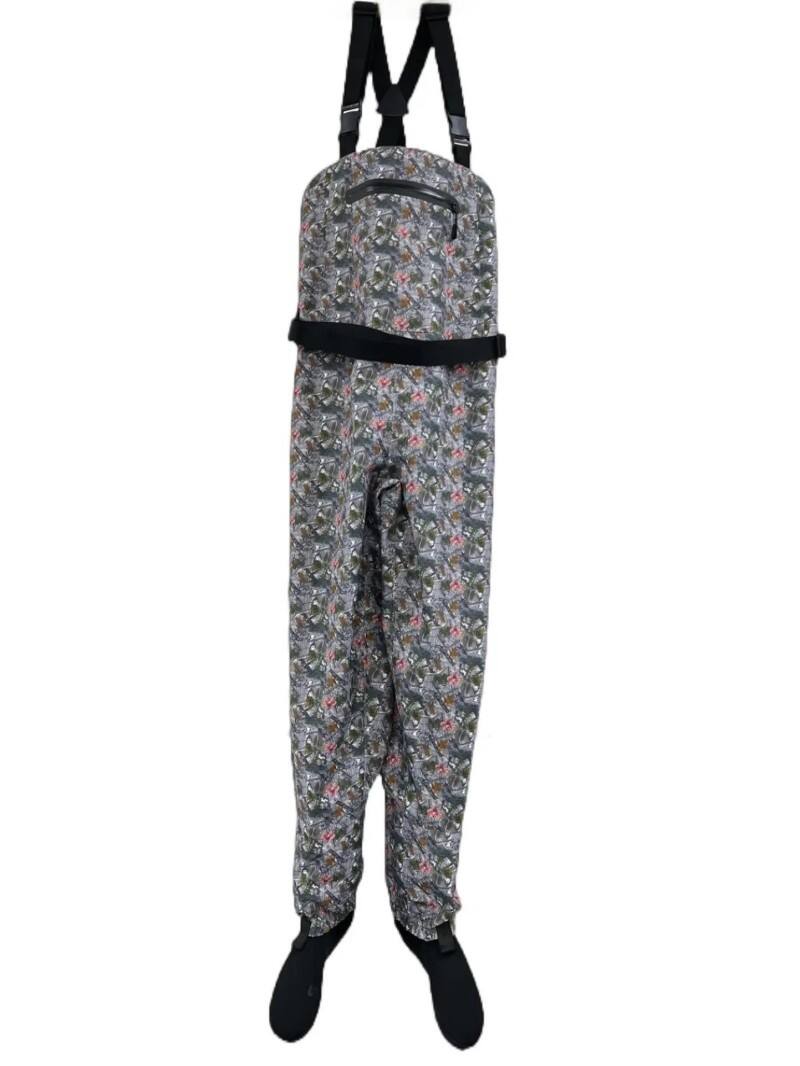
Breathable waders, while repairable, often require more precise techniques and materials to restore waterproof membrane performance. A poorly executed repair on a breathable wader may hold for a single trip before failing again. Neoprene repairs, when done correctly with the right adhesive, tend to be more robust and longer-lasting. For anglers who fish frequently and hard, this practical durability edge matters over the lifetime of the gear.
The pursuit of winter steelhead is one of the most demanding forms of freshwater fishing. Anglers wade in rivers where water temperatures regularly fall below 40 degrees Fahrenheit, often for many hours at a stretch. In this specific context, thick neoprene waders are not just a preference — they are effectively the standard among experienced steelhead guides and serious recreational anglers alike. The sustained warmth they provide allows anglers to focus entirely on technique and presentation rather than managing discomfort.
Late-season salmon runs create similar conditions, with cold, high-volume river flows that would quickly drain warmth from an angler in lighter gear. Thick neoprene waders allow productive fishing well into conditions that would otherwise force anglers off the water. The same applies to early spring trout fishing in mountainous regions, where snowmelt keeps water temperatures dangerously cold even as air temperatures rise.
Duck hunting shares many of the same thermal demands as cold-water fishing. Hunters often stand in flooded timber, marsh edges, or tidal flats in pre-dawn darkness, waiting for shooting hours in temperatures that can drop well below freezing. In this scenario, thick neoprene waders provide warmth that goes beyond what breathable waders with base layers can reliably match, especially when the hunter is stationary for one to two hours before any meaningful physical activity begins.
The quiet, soft surface of neoprene also produces less noise during slow wading movements than some stiff breathable materials, which can matter in the silence of an early-morning marsh. The neutral buoyancy assist and abrasion resistance make thick neoprene waders well-suited to the mixed terrestrial and aquatic terrain that waterfowl hunters routinely navigate.
Ice fishing access, where anglers wade to reach specific spots before ice forms fully or after it begins to recede in spring, is another niche where thick neoprene waders have become standard equipment among those who take the activity seriously. The combination of warmth, protection, and durability aligns directly with what the most demanding cold-water and cold-weather outdoor applications require.
Not all thick neoprene waders are identical. The market offers options ranging from 3mm to 7mm, with 4mm and 5mm being the most widely used for serious cold-water fishing. A 3mm option may be sufficient for water in the 50 to 55 degree range, but once temperatures consistently drop below 45 degrees, the step up to 5mm becomes meaningful. For the most extreme conditions — late-December steelhead rivers, pre-dawn duck hunts in northern climates — 5mm or heavier is the informed choice.
The trade-off between insulation and mobility is real but manageable. Modern thick neoprene waders use stretch-panel construction and anatomical design to preserve freedom of movement even at 5mm thickness. High-stretch neoprene blends allow anglers to step over logs, climb banks, and wade in fast current without the stiffness that older-generation neoprene was known for. Fit testing before purchase, or careful attention to sizing charts, is essential for getting this balance right.
Thick neoprene waders are available in bootfoot and stockingfoot configurations, each with distinct advantages. Bootfoot waders integrate the boot directly into the wader, eliminating the cold-water entry point at the ankle and simplifying the gear system. They are particularly popular for waterfowl hunters and anglers who prioritize warmth and convenience over precision wading feel.
Stockingfoot configurations allow the angler to pair the wader with a separate wading boot, offering more precise fit and better wading traction through the boot sole choice. When using a stockingfoot design with thick neoprene waders, the neoprene sock provides meaningful insulation even in cold water, and the separate boot can be optimized for traction on the specific riverbed being fished. Both configurations can deliver excellent cold-water performance when sized and fitted correctly.
Regardless of configuration, the most important factor after material thickness is the overall fit of the wader. A poorly fitting wader — too loose in the legs, too tight across the chest — compromises both comfort and thermal efficiency. Thick neoprene waders that fit well move water away from the body optimally and allow the thermal trapping mechanism to work as intended. Investing time in finding the correct size pays dividends across every cold-water session that follows.
Thick neoprene waders are best suited for water temperatures below 50 degrees Fahrenheit and extended stationary use in cold conditions. In warmer water or during high-activity hiking to fishing locations, breathable waders may be more comfortable. The choice should be driven by the actual water temperature and the nature of the fishing, not by one-size-fits-all recommendations.
Overheating is a valid concern when using thick neoprene waders in moderate temperatures or during active hiking. Choosing lighter base layers underneath and taking breaks from the water when moving between spots helps manage body temperature. Many anglers accept a brief period of warmth during transit in exchange for the sustained protection thick neoprene waders provide once they are standing in cold water.
With proper care — rinsing after use, drying thoroughly before storage, and addressing small repairs promptly — thick neoprene waders can last five to ten years or more for regular seasonal anglers. The neoprene material is highly resilient and the construction methods used in quality pairs are designed for long-term durability. Avoiding prolonged sun exposure during storage helps prevent UV degradation of the material.
Yes, thick neoprene waders are widely used in waterfowl hunting and are well-regarded in that community for the same reasons they dominate cold-water fishing — sustained warmth, durability, and waterproof reliability. Many models are specifically designed with features relevant to both activities, including reinforced knees and integrated boot options suited to the mixed terrain that hunters and anglers both navigate in cold-weather conditions.

 EN
EN