Multi-Environment Versatility and Applications
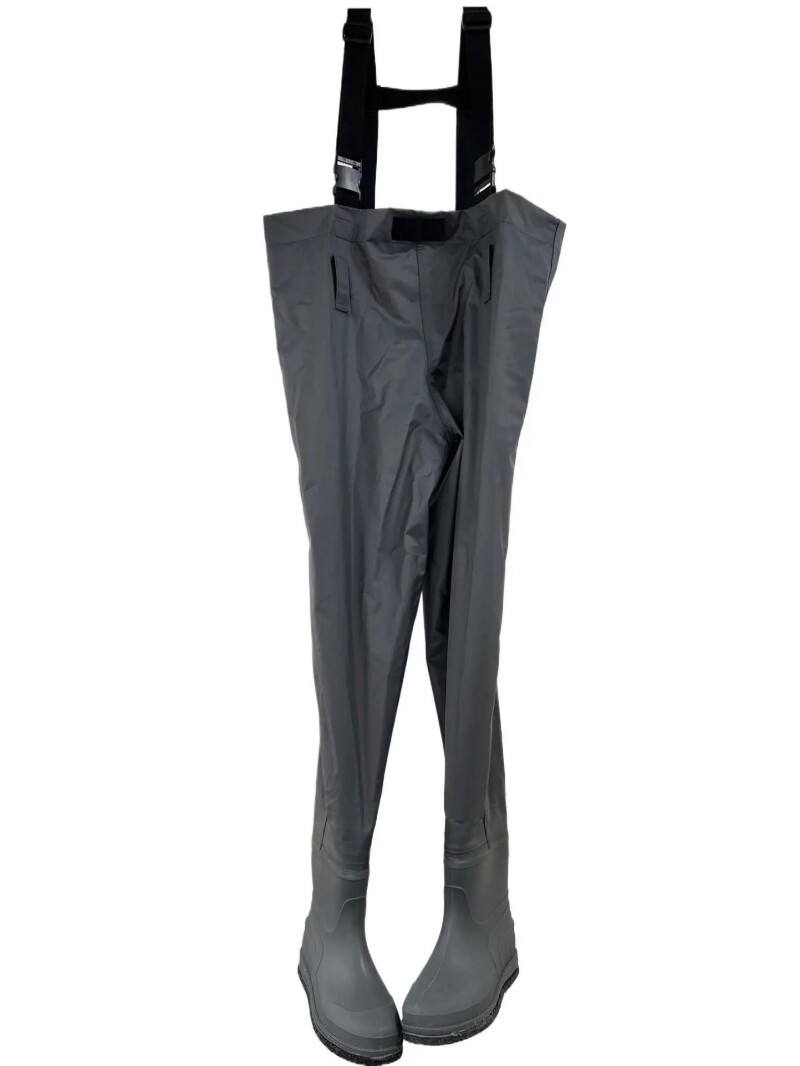
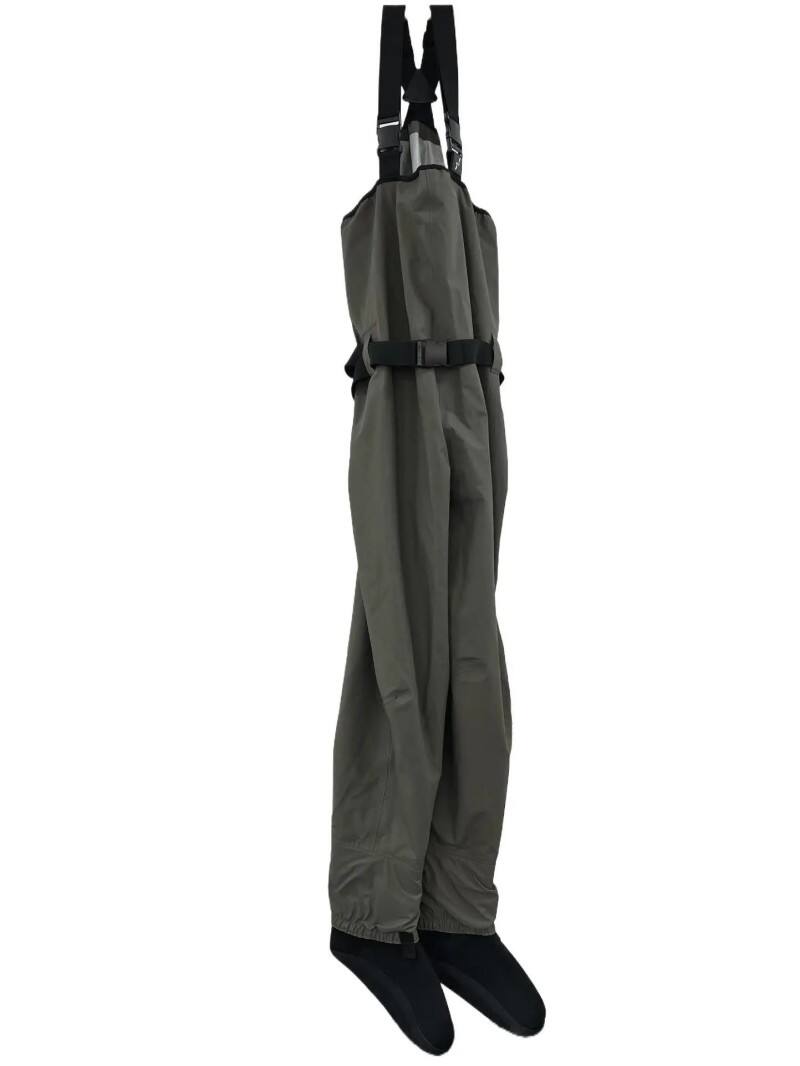
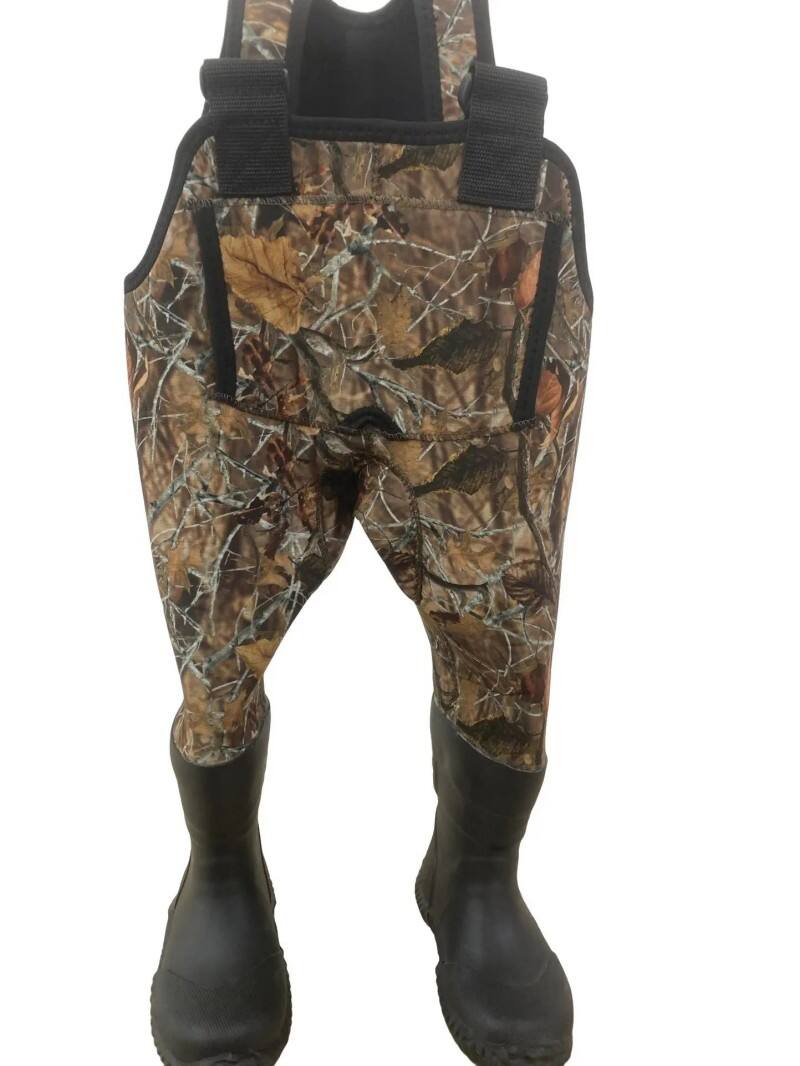
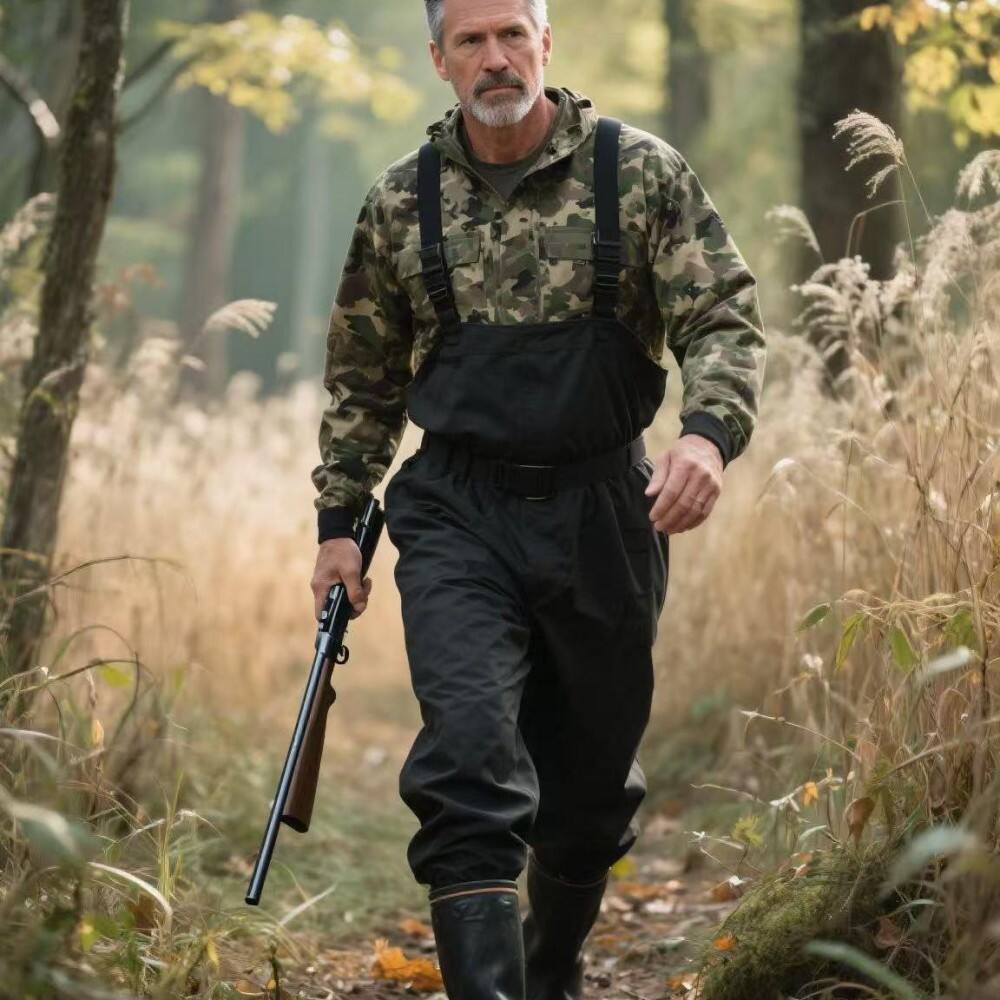
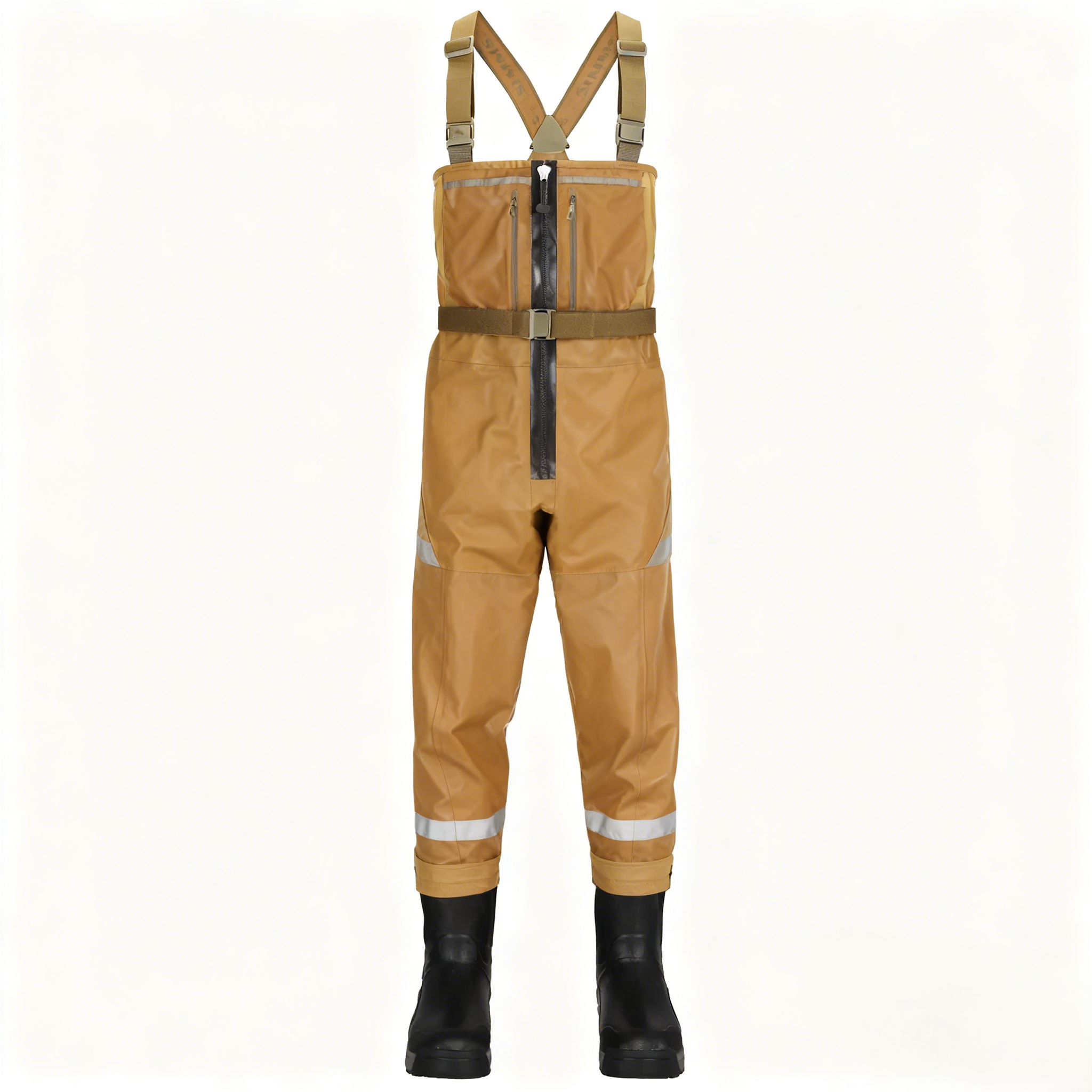
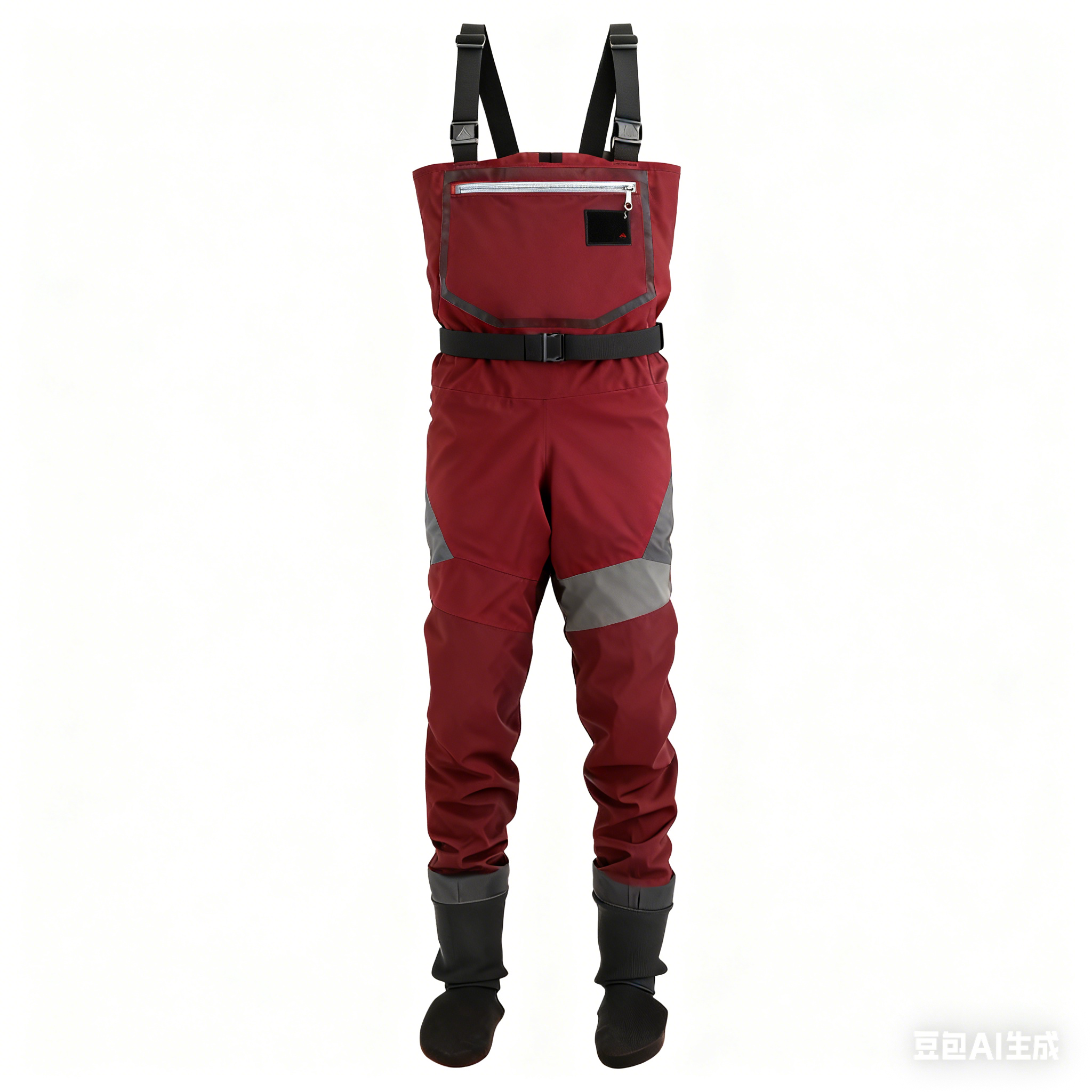
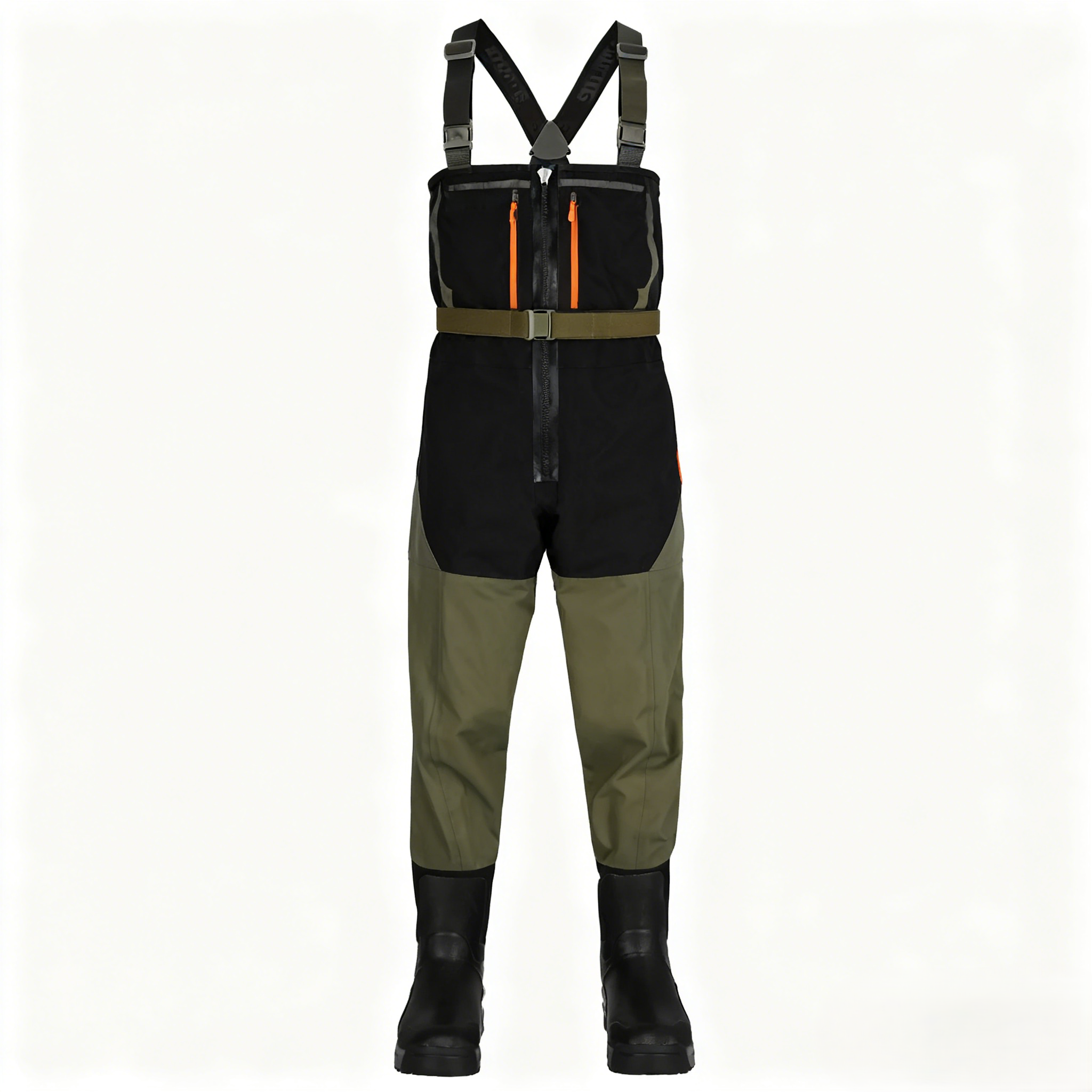
Youth neoprene waders demonstrate exceptional versatility across diverse aquatic environments and activities, making them indispensable gear for comprehensive outdoor education and recreation programs. These waders perform equally well in freshwater streams, saltwater marshes, pond ecosystems, and constructed wetlands, adapting to various water chemistry conditions without degradation or performance compromise. The versatile design enables participation in multiple activities including fishing, environmental monitoring, scientific sampling, wildlife observation, and aquaculture education programs. In freshwater environments, youth neoprene waders provide reliable protection for stream ecology studies, allowing young scientists to collect water samples, measure flow rates, and observe aquatic life in their natural habitats without environmental disruption. The non-toxic materials ensure no harmful chemicals leach into sensitive ecosystems, maintaining environmental integrity during educational activities. Saltwater applications benefit from the corrosion-resistant properties of neoprene, which withstand salt exposure without degrading or losing waterproof capabilities over time. This durability makes youth neoprene waders ideal for coastal education programs, tide pool exploration, and marine biology field studies where extended salt water exposure is inevitable. Agricultural applications include participation in aquaculture operations, rice farming activities, and agricultural research programs where young people learn sustainable food production techniques. The waders protect against fertilizers, pesticides, and biological contaminants commonly encountered in agricultural water environments. Recreational versatility extends to camping, hiking, and outdoor adventure programs where water crossings or wetland exploration enhance the educational experience. The gear enables participation in activities regardless of seasonal water temperature variations, extending program availability throughout the year. Emergency preparedness applications include flood response training and water safety education where youth neoprene waders provide essential protection during simulation exercises. Conservation work benefits significantly from these waders, enabling young volunteers to participate in habitat restoration projects, water quality monitoring initiatives, and endangered species research programs that require direct aquatic environment access while maintaining safety and comfort standards essential for productive educational experiences.

 EN
EN