
 EN
EN


Diversifying Portfolio Value through Specialized Aquatic Protection
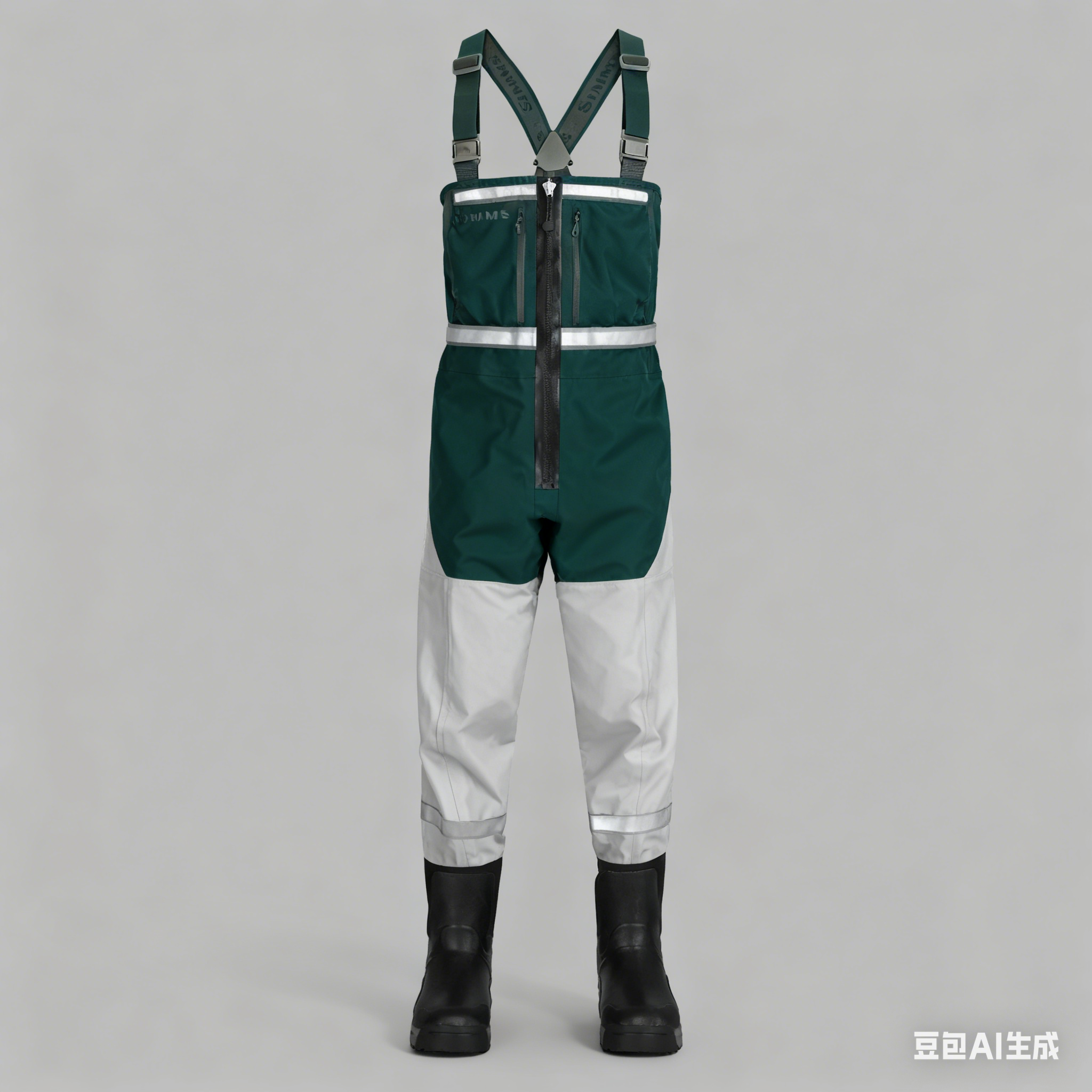
For outdoor gear retailers and distributors, the strategic inclusion of a high-quality wader into their product catalog is more than just adding a new SKU; it is a gateway to capturing specialized market segments that require high-performance protection. The modern wader has evolved from a simple waterproof trouser into a sophisticated piece of engineering designed to handle extreme environmental stressors. By offering these products, businesses can effectively bridge the gap between general outdoor apparel and specialized industrial or sporting equipment. This diversification is particularly valuable in a fluctuating economy, as it allows companies to pivot between recreational consumer markets and stable, contract-based industrial sectors. Whether your clients are focused on fly-fishing tourism or large-scale wetland restoration, a well-constructed wader serves as a foundational tool that completes a professional equipment set. Integrating these items into your line not only increases the average order value but also establishes your brand as a comprehensive provider of all-weather solutions, capable of outfitting a workforce from head to toe in the most challenging conditions.
Leveraging Material Innovation for Market Differentiation
The competitive edge in the outdoor industry is often defined by the technical superiority of the materials used. Incorporating advanced wading technology allows distributors to showcase their commitment to innovation and user comfort.
Utilizing Breathable Membrane Technology for Performance Appeal
One of the most effective ways to elevate an outdoor product line is to introduce gear featuring multi-layer breathable membranes. Unlike traditional non-porous materials that lead to overheating and internal moisture buildup, a breathable wader utilizes microporous technology to facilitate thermoregulation. This technical feature is a significant selling point for professional users who spend long hours in high-activity roles. By marketing the science behind vapor transmission and hydrostatic head ratings, retailers can move away from commodity-based selling and focus on value-added technical benefits. This transition allows for higher retail price points and appeals to a demographic of professionals and enthusiasts who prioritize physical stamina and comfort. Furthermore, the inclusion of such high-tech garments enhances the overall brand perception, signaling to customers that the company invests in the latest textile advancements to solve real-world problems in the field.
Adapting Heavy Duty Neoprene for Thermal Resilience
While breathable fabrics capture the high-activity market, the strategic addition of premium neoprene models addresses the needs of clients operating in sub-zero or sedentary cold-water environments. Neoprene remains a staple in the protective gear industry due to its inherent buoyant properties and exceptional thermal insulation. For a distributor, offering a range of neoprene thicknesses—from 3.5mm for general use to 7mm for arctic conditions—provides a specialized solution for winter maintenance crews, ice fishermen, and cold-water aquaculture technicians. This material's natural flexibility and "memory" ensure a snug fit that minimizes water drag and maximizes heat retention. By stocking these specialized variants, an outdoor gear line becomes a year-round resource for customers, ensuring that seasonal shifts in weather do not lead to a drop in sales. The durability of high-density neoprene against punctures and tears further reinforces the product's reputation as a reliable piece of professional equipment.
Strategic Integration of Bootfoot and Stockingfoot Designs
Understanding the logistical and functional differences between bootfoot and stockingfoot configurations is essential for any distributor looking to optimize their inventory for various B2B and B2C channels.
Streamlining Operations with All in One Bootfoot Models
Bootfoot models, where the footwear is permanently integrated into the wader, are the preferred choice for industrial clients and emergency responders who require rapid deployment and simplified gear management. From a retail perspective, these units are easier to sell as a complete package, eliminating the need for the customer to purchase and fit separate wading boots. This "plug-and-play" simplicity is a major advantage in the B2B sector, where procurement managers often prefer standardized uniforms that reduce the number of components to be tracked and maintained. Additionally, the integrated design eliminates the common failure point at the ankle found in separate boot systems, as there is no gap for gravel or silt to enter. By highlighting the convenience and total-seal protection of bootfoot designs, distributors can effectively target municipal contracts, disaster relief organizations, and large-scale commercial fishing operations that value efficiency and durability above all else.
Catering to Professional Customization with Stockingfoot Varieties
In contrast to the all-in-one approach, stockingfoot models feature a soft neoprene sock that requires separate wading boots. This design is highly attractive to professional researchers, environmental consultants, and high-end recreational users who require a more athletic, customized fit. For a distributor, this creates a significant "attach-rate" opportunity, where the sale of a single wader naturally leads to the sale of specialized wading boots, gravel guards, and wading socks. Stockingfoot units allow the user to choose footwear that matches their specific terrain—such as felt soles for slippery rocks or studded rubber for muddy slopes. By offering this level of customization, a retailer positions themselves as a consultative expert capable of tailoring gear to specific environmental challenges. This modular approach to outdoor gear not only increases the total transaction value but also fosters deeper customer engagement as they return to upgrade or replace individual components of their wading system.
Enhancing Brand Loyalty through Durability and Utility
A product line is only as strong as its most reliable item. The inherent ruggedness of professional-grade wading gear makes it an ideal candidate for building long-term brand trust.
Implementing Reinforced Wear Zones for Industrial Longevity
To truly enhance an outdoor gear line, the products must be engineered to outlast the competition in high-stress scenarios. This is achieved through the implementation of reinforced wear zones in areas prone to abrasion, such as the knees, seat, and inner thighs. High-quality manufacturers often use double-layered fabric or specialized high-tenacity overlays like Cordura to ensure the wader can withstand the friction of walking through thick brush or kneeling on abrasive surfaces. For the distributor, these reinforcements are visible markers of quality that justify the investment. When a commercial client sees that a product is "built for the job," they are much more likely to commit to a bulk purchase. This focus on physical longevity reduces the frequency of warranty claims and returns, which are often the hidden costs that erode the profitability of lower-quality product lines. A reputation for "unbreakable" gear is one of the most powerful assets a distributor can possess in the outdoor industry.
Incorporating Ergonomic Features for Daily Professional Use
Beyond raw durability, the utility of a wader is greatly enhanced by ergonomic design choices that improve the daily life of the worker. Features such as articulated knees, adjustable H-back or X-back suspender systems, and integrated wading belts are not just for comfort; they are critical for safety and range of motion. An articulated design allows a worker to climb over obstacles or step into high boats without the fabric binding or pulling at the seams. For a retailer, demonstrating these features helps the customer visualize the product in action. High-quality wading gear often includes "reach-through" fleece-lined handwarmer pockets or waterproof internal chest pockets for sensitive electronics, adding layers of utility that standard waterproof pants lack. By focusing on these human-centric design elements, businesses can market their gear as an extension of the worker’s own body, emphasizing the reduction of fatigue and the improvement of overall job performance.
Expanding B2B Reach through Customization and OEM Services
For large-scale distributors, the ability to offer customized or private-label versions of their wading gear can lead to significant growth in corporate and government sectors.
Developing Proprietary Brand Solutions for Niche Markets
One of the most effective ways to enhance a product line is to move from reselling third-party brands to developing a proprietary OEM (Original Equipment Manufacturer) line. Owning the brand allows a distributor to control the specifications, branding, and price points, effectively insulating them from direct price competition with other retailers. A distributor can work with a manufacturer to create a wader that is specifically optimized for a local industry, such as a specialized color for wildlife management or a specific pocket configuration for utility workers. This level of exclusivity makes the distributor the sole source for a unique solution, creating a strong market "moat." Additionally, having a private-label line increases the overall valuation of the company and provides higher profit margins, as the markup from a middleman brand is eliminated. This strategy transforms a simple trading company into a specialized brand owner with a defensible market position.
Providing Tailored Safety Compliance and Certification
In the professional and industrial world, equipment is often chosen based on its compliance with safety regulations. By ensuring that their wader line meets specific certifications—such as slip resistance standards for the boots or high-visibility requirements for the upper body—distributors can access lucrative contracts that are closed to general outdoor gear. Retailers can work with their manufacturing partners to conduct rigorous third-party testing for puncture resistance, chemical permeability, and thermal ratings. These certifications serve as a "seal of approval" that simplifies the decision-making process for procurement officers and safety managers. When an outdoor gear line includes products that are pre-certified for specific industrial environments, it drastically reduces the friction in the sales process and establishes the distributor as a high-authority partner in the safety and protection industry. This professional alignment is key to moving beyond small individual sales and securing long-term, high-volume commercial accounts.
FAQ
What are the main advantages of stocking breathable waders over PVC models?
Breathable models offer significantly higher comfort levels for active users by allowing sweat and body heat to escape, which is crucial for preventing heat stress in professional environments. While PVC is often cheaper and more chemically resistant, it can lead to "dampness from within" due to condensation. For distributors, breathable gear represents a higher-margin product that appeals to customers looking for premium performance and long-term health benefits for their workforce.
How do I choose between stocking bootfoot and stockingfoot waders for my retail store?
The choice depends on your target customer. If you are selling primarily to industrial crews, emergency responders, or casual users who want simplicity, bootfoot models are the better choice. If your clientele consists of professional researchers, environmentalists, or high-end sporting enthusiasts who already own specialized boots, stockingfoot models offer the customization and athletic fit they desire. Many successful retailers stock a mix of both to ensure they don't miss out on either market segment.
Can a wader be customized with a company logo for B2B clients?
Yes, most high-quality manufacturers offering OEM or private label services can easily integrate custom logos through silk-screening, heat transfer, or embroidery (though embroidery must be carefully sealed to maintain waterproof integrity). Offering this service is a great way for distributors to secure large corporate accounts, as many companies want their field staff to have a professional, branded appearance while working in the public eye.
How should I market the durability of these products to skeptical industrial buyers?
Focus on the technical specifications: mention the denier of the face fabric, the number of layers in the reinforced zones, and the type of seam technology used (such as sonic welding). Highlighting the quality of the components, like YKK zippers or reinforced boot attachments, also builds credibility. Providing test data regarding waterproofness and abrasion resistance is the most effective way to overcome skepticism from professional buyers who prioritize the total cost of ownership over the initial purchase price.
Table of Contents
- Diversifying Portfolio Value through Specialized Aquatic Protection
- Leveraging Material Innovation for Market Differentiation
- Strategic Integration of Bootfoot and Stockingfoot Designs
- Enhancing Brand Loyalty through Durability and Utility
- Expanding B2B Reach through Customization and OEM Services
-
FAQ
- What are the main advantages of stocking breathable waders over PVC models?
- How do I choose between stocking bootfoot and stockingfoot waders for my retail store?
- Can a wader be customized with a company logo for B2B clients?
- How should I market the durability of these products to skeptical industrial buyers?