
 EN
EN


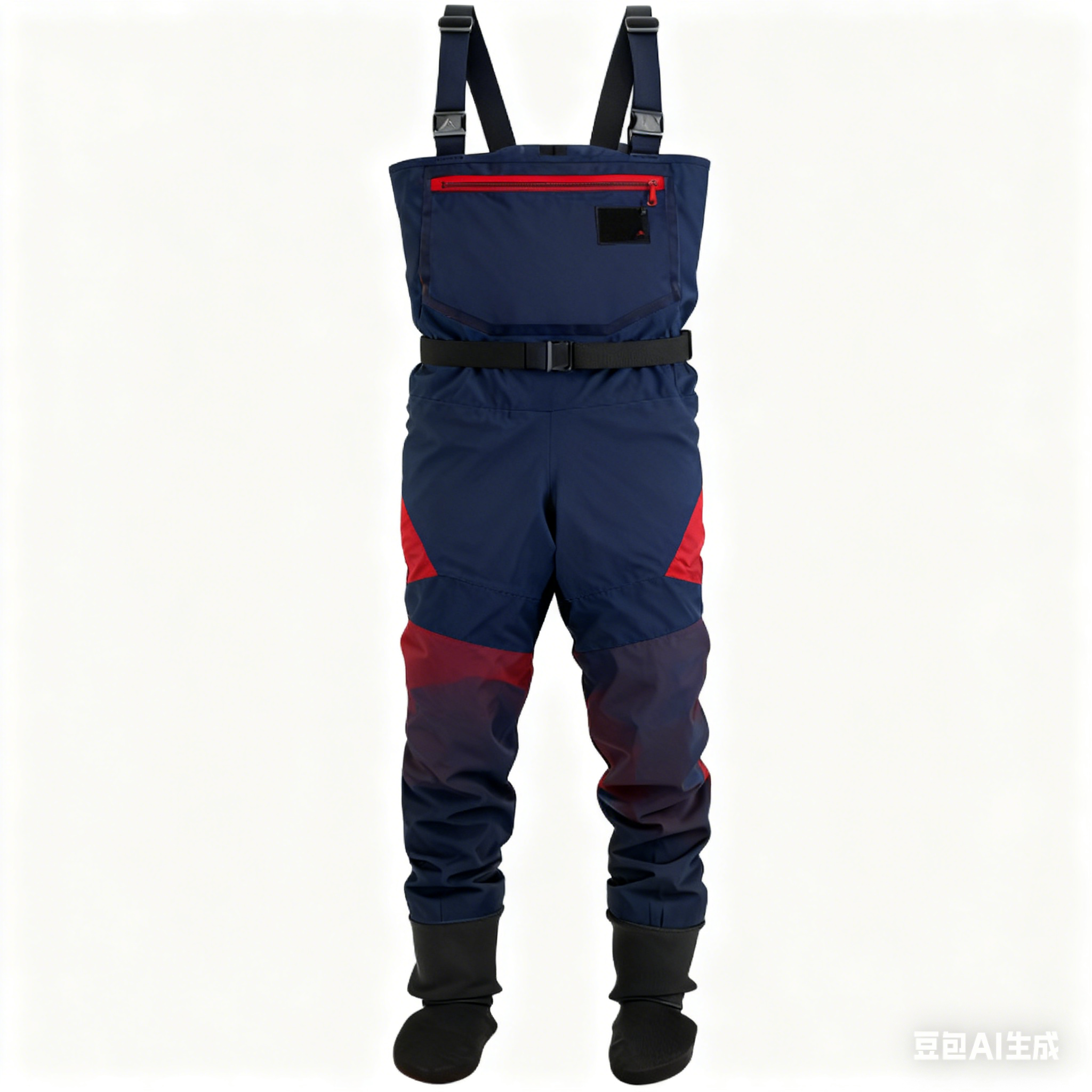
High Performance Protection and Efficiency in Industrial Water Environments
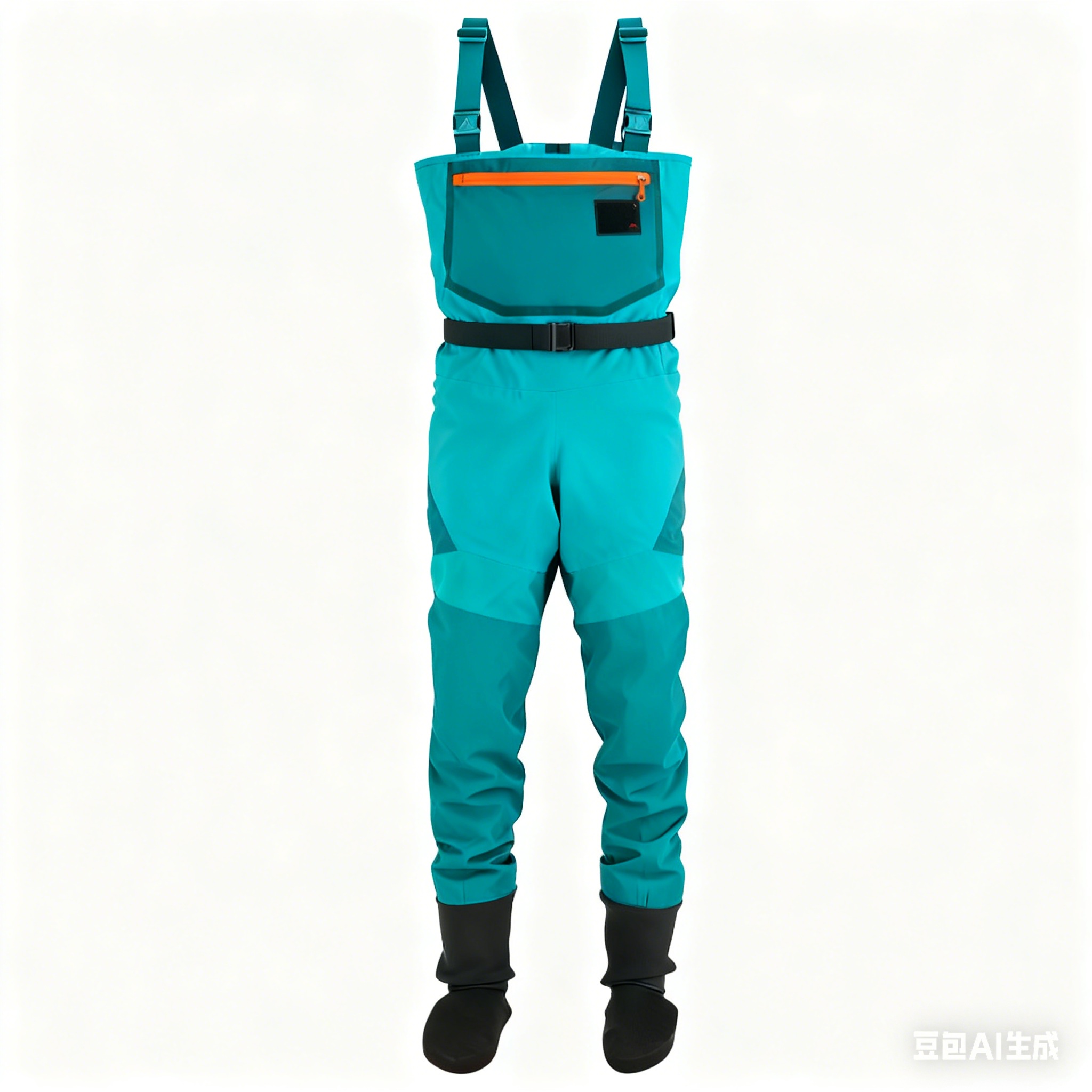
For businesses operating in aquaculture, heavy construction, or commercial fishing, selecting the right protective gear is more than a matter of comfort; it is a critical component of operational safety and employee productivity. A high-quality wader serves as the primary barrier between a worker and challenging aquatic environments. When specifically considering models with integrated boots, the advantages for B2B clients become immediately apparent. This integrated design eliminates the common struggle of matching separate wading boots with stockingfoot alternatives, ensuring a seamless seal that prevents leaks and simplifies the dressing process. For a procurement manager, the priority lies in finding gear that balances durability with cost-effectiveness. The wader is engineered to withstand prolonged immersion, resisting abrasions from underwater debris and harsh chemical exposure often found in industrial settings. By providing a comprehensive solution that covers both the legs and the feet, companies can significantly reduce the risk of workplace injuries related to dampness, cold exposure, and slips.
Superior Durability and Material Engineering for Commercial Use
When evaluating the long-term value of protective equipment, the material composition of the wader plays a pivotal role in its lifespan. Commercial clients require gear that does not fail after a few weeks of intensive use, making the choice of fabric and construction techniques paramount for ROI.
Reinforced Seams and Multi Layer Fabric Construction
The structural integrity of a professional wader depends largely on how the seams are joined and reinforced. In high-stress environments, such as bridge maintenance or commercial harvesting, the constant movement of the wearer puts immense pressure on the crotch and knee areas. To address this, high-end industrial models utilize sonic welding or double-taping methods to ensure that every wader remains watertight under pressure. Unlike budget consumer versions, B2B-grade equipment often features four or five layers of breathable or reinforced PVC/neoprene material in high-wear zones. This multi-layer approach ensures that even if the outer layer sustains a minor scratch, the internal waterproof membranes remain intact. This level of engineering reduces the frequency of replacements, allowing businesses to allocate their budgets more effectively over the fiscal year while maintaining a high standard of safety for their crew members.
Chemical and UV Resistance for Outdoor Longevity
Many B2B applications involve exposure to substances far more corrosive than simple fresh water. Whether it is the salt spray of the open ocean or the various chemicals found in water treatment facilities, the wader must be treated to resist degradation. Specialized coatings are often applied to the exterior of the gear to prevent UV rays from making the material brittle over time. A brittle wader is prone to cracking, which leads to catastrophic leaks during critical operations. Furthermore, the boots integrated into these units are typically made from heavy-duty rubber or polyurethane compounds that resist oil and fuel degradation. This specialized resistance ensures that the gear remains flexible and functional in temperatures ranging from freezing sub-zero conditions to the intense heat of direct summer sunlight, providing a versatile solution for year-round industrial projects.
Integrated Boot Design and Ergonomic Advantages
The decision to opt for a wader with attached boots rather than a stockingfoot model is often driven by the need for speed, safety, and simplified inventory management within a corporate setting.
Enhanced Ankle Support and Slip Resistance
Safety is a non-negotiable factor in any industrial or commercial operation. The boots attached to a professional wader are designed with specific tread patterns tailored to different underwater terrains. For clients working on slippery moss-covered rocks or muddy riverbeds, deep-lug outsoles provide the necessary traction to prevent falls. Beyond traction, the integration between the boot and the upper portion of the wader is designed to provide stable ankle support. This is particularly important when workers are carrying heavy equipment or navigating uneven surfaces hidden beneath the water line. By having a fixed boot, there is no risk of the foot sliding around inside a separate shoe, which minimizes the chance of blisters and musculoskeletal strain during long shifts. This ergonomic focus helps in maintaining worker morale and reducing downtime caused by physical fatigue.
Simplified Donning and Doffing for Rapid Deployment
In emergency response or fast-paced commercial environments, the time it takes to get into protective gear can impact the bottom line. A wader with integrated boots allows a worker to step in and be ready for action in a matter of seconds. There is no need to lace up separate boots or adjust gravel guards, which are common requirements for other styles of wading equipment. For B2B clients managing large teams, this simplicity also translates to fewer components to track in the warehouse. Instead of managing a split inventory of various boot sizes and separate waders, the procurement team handles a single unit. This streamlined approach reduces administrative overhead and ensures that when a team is deployed to a site, they have all the necessary components of their uniform in one piece, leaving no room for missing gear to delay the project.
Cost Effectiveness and Bulk Procurement Benefits
Purchasing protective equipment at a corporate scale requires a deep understanding of the total cost of ownership. While the initial price point is important, the longevity and maintenance requirements of the wader are what truly define its value to a business.
Reduced Maintenance and Repair Requirements
One of the primary benefits of the integrated boot design in a professional wader is the reduction in points of failure. In models where the boot is separate, the transition area at the ankle is often a magnet for sand, silt, and small rocks that can abrade the waterproof material over time. With a fully sealed, boot-attached wader, these entry points for debris are eliminated. This means the internal waterproof socks do not get worn down by friction, and the overall maintenance schedule is simplified. Cleaning the gear becomes a straightforward process of rinsing the exterior, as there are no hidden pockets or laces to trap contaminants. For businesses, this translates to less time spent on gear upkeep and more time spent on billable tasks. The durability of the connection between the boot and the leg material is tested to withstand thousands of flex cycles, ensuring the product remains reliable throughout its service life.
Standardized Sizing for Large Workforce Management
Managing the outfitting of a diverse workforce can be a logistical challenge. However, a wader with attached boots typically follows standard shoe sizing, making it much easier for procurement departments to order the correct fit for their employees. Most manufacturers offering B2B solutions provide comprehensive size charts that account for both the boot size and the body dimensions of the wader. This standardization reduces the rate of returns and exchanges, which can be a significant hidden cost in bulk purchasing. Furthermore, many high-quality suppliers offer "king" or "long" sizes within their standard catalog to accommodate different body types without requiring expensive custom manufacturing. By providing a consistent and comfortable fit across the entire team, companies can ensure that every worker is protected without compromising on mobility or safety due to ill-fitting equipment.
Versatility Across Diverse Industrial Sectors
The utility of a well-constructed wader extends across a vast array of industries, proving its worth as a versatile tool in any professional equipment arsenal.
Applications in Environmental Research and Surveying
Environmental consultants and researchers often spend hours standing in wetlands, streams, and estuaries to collect data or samples. In these scenarios, the wader must provide not only waterproof protection but also a degree of thermal insulation. Many professional models are designed with breathable membranes that allow moisture vapor to escape while preventing water from entering. This is crucial for workers who are active, as it prevents the buildup of sweat which can lead to chilling during periods of inactivity. The integrated boots in these instances are often designed to be lightweight, reducing the physical strain on researchers who may need to hike significant distances to reach their study sites. The ability to move freely through varied terrain while remaining dry and comfortable allows these professionals to focus on the accuracy of their data rather than their physical discomfort.
Utility in Infrastructure Maintenance and Disaster Relief
When municipal workers or private contractors are tasked with inspecting culverts, cleaning drainage systems, or responding to flood events, the reliability of their wader can be a matter of life and safety. These environments are often unpredictable, containing jagged metal, broken glass, or heavy debris. The heavy-duty boots attached to industrial waders often feature puncture-resistant midsoles to protect the wearer from such hazards. Additionally, the high-visibility colors or reflective stripping found on some professional-grade gear ensure that workers remain visible to heavy machinery operators in low-light conditions. In disaster relief scenarios, where teams must work around the clock in submerged areas, the comfort and protection provided by a top-tier wader are essential for maintaining the operational tempo required to save property and lives. The seamless integration of the boot ensures that no hazardous liquids or contaminants can seep in through the ankle area, providing a comprehensive barrier against the environment.
FAQ
What is the primary difference between PVC and Neoprene materials for commercial use?
PVC is typically lighter and more affordable, making it an excellent choice for warm-weather work or applications where the wader might be exposed to oils and chemicals. It is easy to clean and very durable against punctures. Neoprene, on the other hand, offers superior thermal insulation, which is vital for workers in cold water or winter climates. Neoprene is also more flexible, allowing for a greater range of motion, though it can be more difficult to patch if a leak occurs. Choosing between them depends on the specific environmental conditions and the duration of the work being performed.
How should B2B clients store their waders to maximize their lifespan?
Proper storage is critical to preventing the degradation of the waterproof materials. Waders should always be thoroughly rinsed with fresh water after use to remove salt, mud, or chemicals. They should be hung by the boots in a cool, dry place away from direct sunlight and heat sources. Hanging them upside down prevents creases from forming in the material, which can eventually lead to cracks and leaks. It is also important to ensure the interior is completely dry before storage to prevent the growth of mold or mildew, which can damage the fabric and cause unpleasant odors.
Can the boots on these waders be replaced if they wear out before the fabric?
In most high-quality integrated models, the boot is permanently vulcanized or heat-sealed to the leg material to ensure a 100% waterproof bond. While some specialized repair shops can replace boots, it is generally not a standard practice for B2B clients due to the cost and the risk of compromising the waterproof integrity. Instead, it is recommended to select a wader with a high-durability outsole that matches the specific terrain of the job site to ensure the boots last as long as the fabric. Investing in reinforced soles often yields a better return than attempting repairs later.
Are there specific safety certifications that procurement managers should look for?
Depending on the industry, procurement managers should look for certifications related to slip resistance (such as ASTM or ISO standards) and puncture resistance if the work involves sharp debris. Some regions also have specific standards for waterproof PPE used in commercial fishing or industrial cleaning. Checking for reinforced toe caps (steel or composite) is also essential if the workers are operating in environments where heavy objects might fall on their feet. Ensuring the gear meets these recognized safety standards provides an extra layer of liability protection for the company.
Table of Contents
- High Performance Protection and Efficiency in Industrial Water Environments
- Superior Durability and Material Engineering for Commercial Use
- Integrated Boot Design and Ergonomic Advantages
- Cost Effectiveness and Bulk Procurement Benefits
- Versatility Across Diverse Industrial Sectors
-
FAQ
- What is the primary difference between PVC and Neoprene materials for commercial use?
- How should B2B clients store their waders to maximize their lifespan?
- Can the boots on these waders be replaced if they wear out before the fabric?
- Are there specific safety certifications that procurement managers should look for?