
 EN
EN



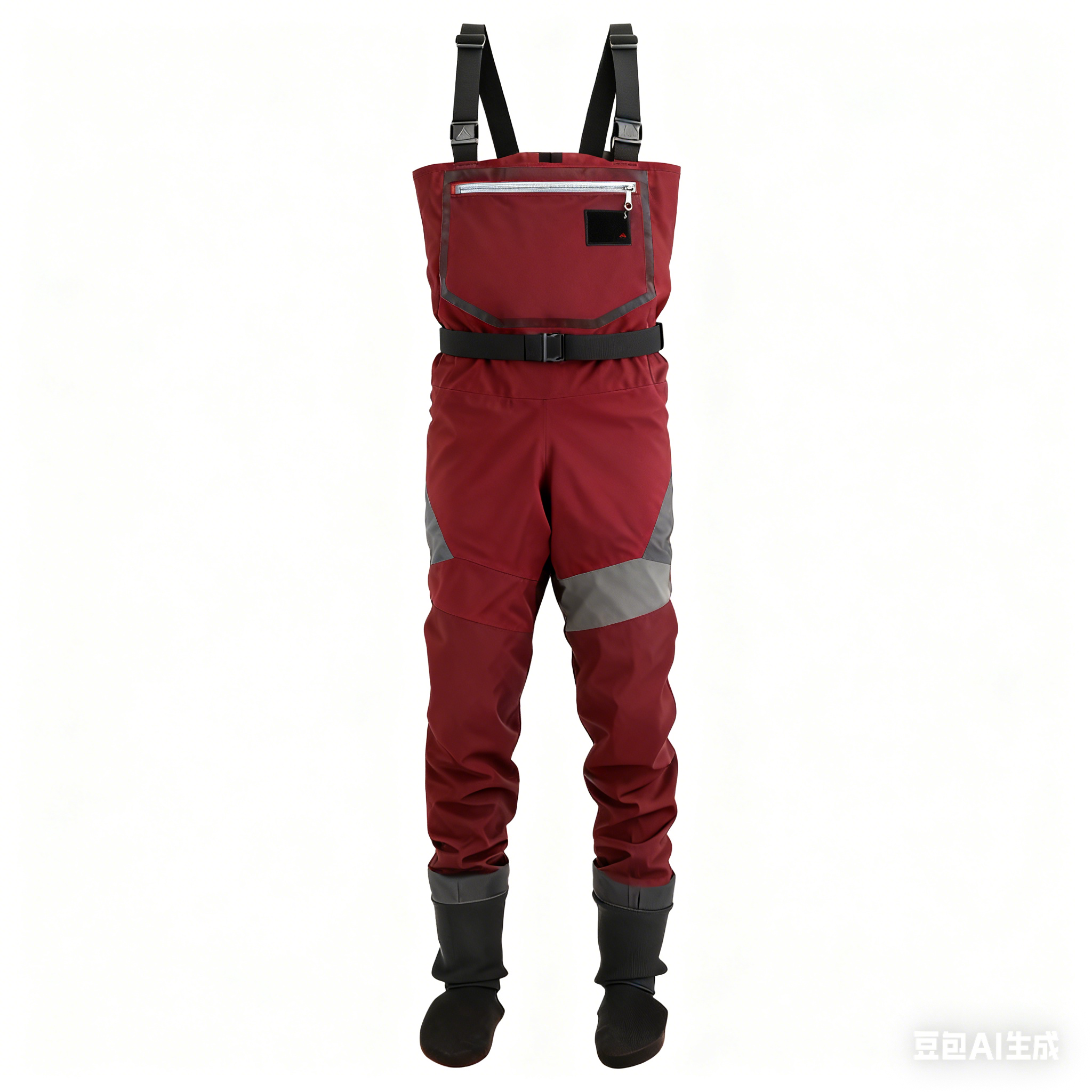
Maximizing Profit Margins through Advanced Moisture Management Technology
For distributors and retailers in the outdoor and industrial apparel sectors, the shift toward breathable fabric technology represents one of the most significant growth opportunities in recent years. While traditional rubber or PVC models have long been the industry standard for basic waterproofing, the modern professional and enthusiast now demands more from their gear. A high-performance breathable wader addresses the primary complaint of users: the buildup of internal condensation. By allowing body heat and moisture vapor to escape while preventing external water from entering, these garments provide a level of comfort that directly translates into higher customer satisfaction and repeat business. For a retailer, stocking these advanced options allows for a higher price point and better margins compared to entry-level products. The value proposition is clear: a more comfortable worker or hobbyist is one who stays in the field longer and remains loyal to the brands that provide superior equipment. As the market moves away from non-porous materials, positioning your inventory to lead with breathable solutions ensures you stay ahead of consumer demand cycles.
Strategic Market Positioning and Consumer Demand Trends
The transition to breathable materials is not merely a luxury trend; it is a fundamental shift in how end-users perceive value. Distributors who recognize this change can better align their wholesale strategies to capture a larger share of the professional and recreational markets.
Expanding the Seasonal Sales Window
One of the most significant advantages of a breathable wader is its versatility across varying temperatures. Unlike heavy neoprene, which is often too hot for summer use, or thin PVC, which offers no insulation in winter, breathable fabrics can be layered to suit almost any environment. This characteristic allows retailers to market the same product line throughout the entire year. During the spring and summer, the wader is sold as a lightweight, cooling solution for warm-weather aquatic tasks. In the autumn and winter, it is marketed as a versatile outer shell that can be paired with thermal undergarments. By reducing the seasonality of the product, distributors can maintain a more consistent cash flow and reduce the need for aggressive end-of-season clearance sales. This multi-season appeal makes the product a "must-have" for a wider range of customers, from summer environmental surveyors to winter maintenance crews.
Target Audience Diversification and Professional Growth
The demand for breathable technology is expanding beyond the traditional fly-fishing market into heavy industry and environmental sectors. Commercial contractors, aquaculture technicians, and municipal workers are increasingly opting for breathable gear to improve their daily work experience. For a distributor, this opens up new B2B sales channels that were previously dominated by heavy, low-cost rubber gear. By highlighting the reduced physical fatigue associated with lighter, more flexible materials, sales teams can convince procurement managers that a breathable wader is a smart investment in employee health and productivity. The lighter weight reduces the caloric expenditure of the worker, which is a powerful selling point in labor-intensive industries. As more professional sectors adopt these standards, the volume of bulk orders increases, providing a stable foundation for long-term retail growth and brand expansion into niche industrial markets.
Enhancing Product Longevity and Brand Reliability
In the world of professional outfitting, a product is only as good as its durability. Distributors must be confident that the gear they supply will not result in a high volume of returns, which can erode profits and damage reputations.
Innovative Seam Sealing and Leak Prevention Features
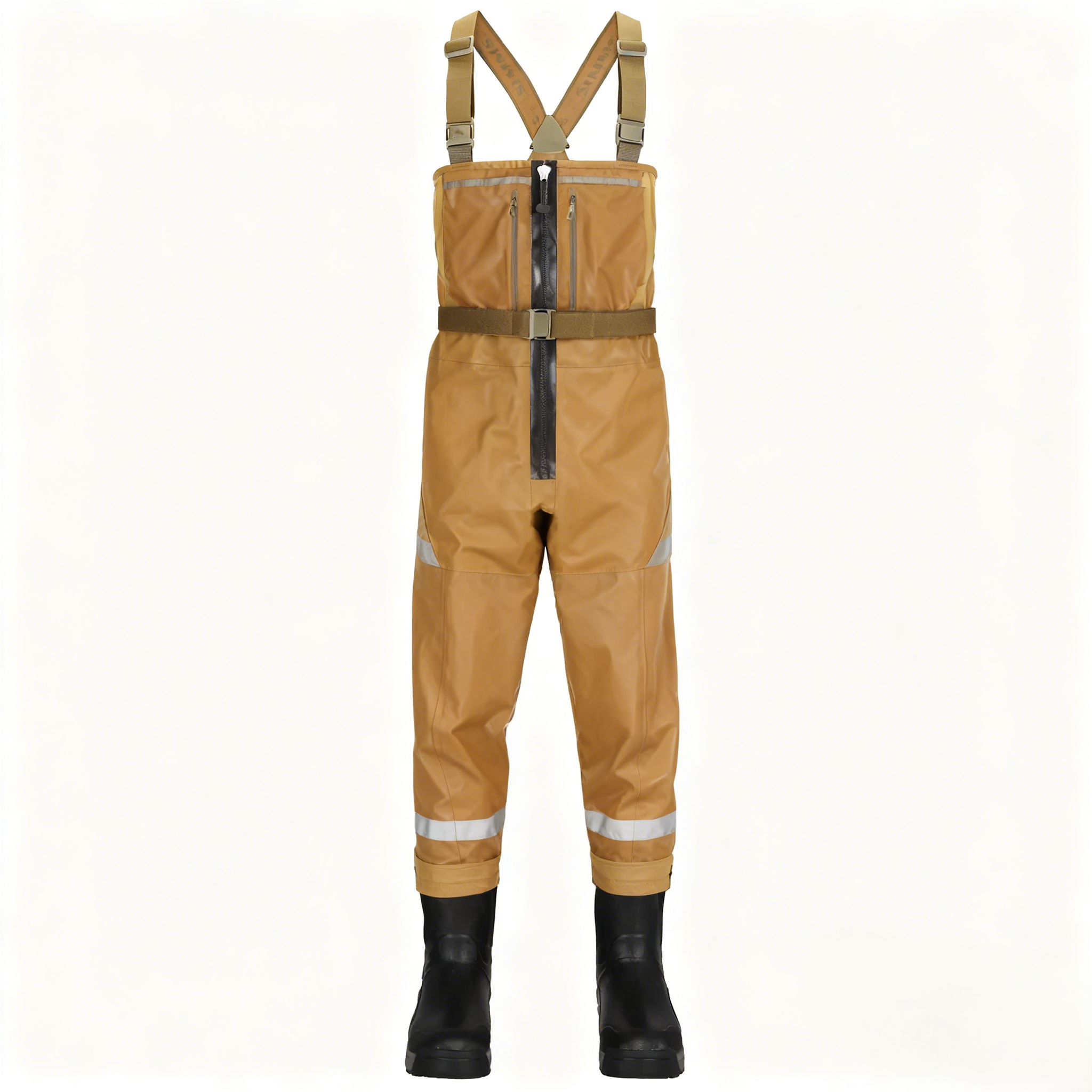
Modern breathable garments utilize sophisticated construction techniques that significantly enhance their reliability. High-quality manufacturers often employ multi-layered laminates in high-wear areas, such as the knees and seat, to ensure the wader can withstand the rigors of professional use. For a retailer, explaining these technical details—such as double-taped seams or articulated knee designs—helps justify the premium cost to the end-user. When a customer understands that the wader is built with reinforced gravel guards and high-density neoprene booties (for stockingfoot models), they perceive the purchase as a long-term investment rather than a disposable expense. This perceived durability builds trust between the retailer and the customer. When the product performs as advertised under harsh conditions, it reinforces the retailer's status as a provider of professional-grade equipment, leading to positive word-of-mouth and organic growth.
Material Science as a Competitive Sales Edge
The science behind microporous membranes is a compelling story for sales staff to share with potential buyers. By educating customers on how millions of tiny pores are small enough to block water droplets but large enough to let sweat vapor through, retailers move away from price-based competition and toward value-based selling. This technical edge is particularly effective in the B2B space, where technical specifications are often scrutinized. A wader that features a high breathability rating (typically measured in grams per square meter) provides a measurable metric that sales teams can use to compare their offerings against lower-quality competitors. Furthermore, many modern breathable fabrics are treated with durable water repellent (DWR) coatings that cause water to bead up and roll off, maintaining the fabric's breathability even in heavy rain. Demonstrating these features in-store or via video content can significantly boost conversion rates for both online and brick-and-mortar retailers.
Optimization of Inventory and Logistics for B2B Success
Efficiency in the supply chain is just as important as the quality of the product itself. Distributors who focus on streamlined product lines can reduce overhead and improve their service levels to smaller retailers.
Simplified Storage and Shipping Requirements
Compared to bulky, heavy rubber or thick neoprene units, breathable garments are remarkably compact and lightweight. This physical characteristic offers several logistical advantages for distributors and large-scale retailers. First, more units can be stored per square foot of warehouse space, reducing storage costs. Second, shipping costs are significantly lower due to the reduced weight and volume of the packaging. These savings can either be absorbed to increase profit margins or passed on to the customer to gain a price advantage in a competitive market. Furthermore, the lightweight nature of a breathable wader makes it much easier to handle for staff during the picking and packing process, leading to fewer errors and faster fulfillment times. For a retailer, the smaller packaging also means more efficient shelf use and more attractive, modern-looking displays that catch the customer's eye.
Reducing Return Rates through Superior Fit and Comfort
One of the hidden costs in the wader industry is the high rate of returns due to poor fit or discomfort. Traditional stiff materials are often unforgiving, leading to a "one size fits none" scenario for many body types. Breathable fabrics, however, are generally more supple and allow for more sophisticated tailoring. Many professional-grade manufacturers offer a wide range of sizes, including athletic, king, and long cuts. By offering a product that provides a more ergonomic fit, retailers can significantly reduce the likelihood of a customer returning a wader because it restricts their movement or causes discomfort during use. A better fit also reduces stress on the seams, which in turn reduces the frequency of warranty claims. For the distributor, this means fewer headaches and a more stable partnership with the manufacturer, as the product line proves itself to be reliable and well-engineered for the human form.
Leveraging Modern Marketing and Technical Education
To truly boost sales, distributors and retailers must go beyond just stocking the product; they must become experts in the application and benefits of the gear.
Creating High Value Educational Content for End Users
In the digital age, a retailer’s website is often the first point of contact for a customer. By providing detailed guides on how to choose the right wader for specific industrial or recreational tasks, businesses can establish themselves as authorities in the field. This educational approach is highly effective for selling breathable gear, as it allows the seller to explain the "why" behind the higher price point. Content can focus on maintenance tips, such as how to properly wash and treat breathable fabrics to maintain their performance over time. When a distributor provides these educational assets to their retail partners, they create a value-added service that goes beyond the physical product. This support helps the retailer sell more effectively, which in turn leads to larger and more frequent wholesale orders for the distributor.
Demonstration and Trial Strategies in Commercial Sales
For large B2B accounts, the best way to prove the superiority of a breathable wader is through a trial or demonstration. Distributors can provide "wear-test" units to key accounts in the aquaculture or construction industries. Once a crew spends a full shift in a breathable model compared to their old heavy gear, the difference in comfort and fatigue levels becomes undeniable. These trials often lead to full-scale fleet replacements, as companies realize the long-term benefits of improved worker morale and reduced heat-related illnesses. Retailers can mirror this strategy by having floor models available for customers to try on with the appropriate layering. The immediate feeling of lightness and mobility compared to traditional materials is a powerful psychological trigger that often seals the sale. By focusing on the tactile and experiential benefits, sellers can overcome price objections and focus on the superior user experience.
FAQ
Why is breathability considered a safety feature in industrial environments?
In many industrial settings, heat stress is a major safety concern. When workers wear non-breathable gear, their body temperature can rise rapidly, leading to exhaustion, dizziness, and a loss of focus, which increases the risk of accidents. A breathable wader helps regulate the wearer’s body temperature by allowing excess heat to escape. This keeps the worker more alert and physically capable throughout their shift. Additionally, by keeping the worker dry from the inside out, it prevents the skin softening and chafing that can lead to infections or discomfort-related distractions.
How do breathable materials compare to neoprene in terms of durability for heavy work?
While neoprene is known for its "cushioning" effect and stretch, modern high-denier breathable fabrics are engineered to be incredibly tough. Manufacturers often use a 4-layer or 5-layer construction in high-impact zones to provide puncture and abrasion resistance that rivals or exceeds that of traditional materials. While a breathable wader might seem thinner, the high-tensile strength of the synthetic fibers used in the outer face fabric is designed specifically for rugged environments. For many B2B clients, the trade-off of slightly less "bulk" for significantly more mobility and comfort is a major advantage.
What is the expected lifespan of a professional breathable wader in a retail or commercial setting?
The lifespan depends heavily on the frequency of use and the level of maintenance provided. However, a high-quality breathable wader used in a professional capacity can typically last several seasons of intensive use if cared for properly. Retailers should emphasize that the "cost per use" is often lower for breathable gear because workers are less likely to damage the gear through improper fit or overheating. Regular cleaning and occasional re-application of DWR treatments can extend the life of the garment significantly, making it a highly cost-effective choice for budget-conscious organizations.
Does a breathable wader require special footwear for the user?
This depends on whether the distributor is stocking "bootfoot" or "stockingfoot" models. Bootfoot models have the boots permanently attached, providing a one-piece solution that is popular in industrial and cold-water applications. Stockingfoot models feature a neoprene sock at the bottom, which requires the user to purchase separate wading boots. Retailers often prefer stockingfoot models because they allow for a more customized fit and the opportunity to sell an additional piece of equipment (the boots). However, for B2B clients who need a quick and easy uniform solution, bootfoot breathable models are often the preferred choice for their simplicity and ease of use.
Table of Contents
- Maximizing Profit Margins through Advanced Moisture Management Technology
- Strategic Market Positioning and Consumer Demand Trends
- Enhancing Product Longevity and Brand Reliability
- Optimization of Inventory and Logistics for B2B Success
- Leveraging Modern Marketing and Technical Education
-
FAQ
- Why is breathability considered a safety feature in industrial environments?
- How do breathable materials compare to neoprene in terms of durability for heavy work?
- What is the expected lifespan of a professional breathable wader in a retail or commercial setting?
- Does a breathable wader require special footwear for the user?