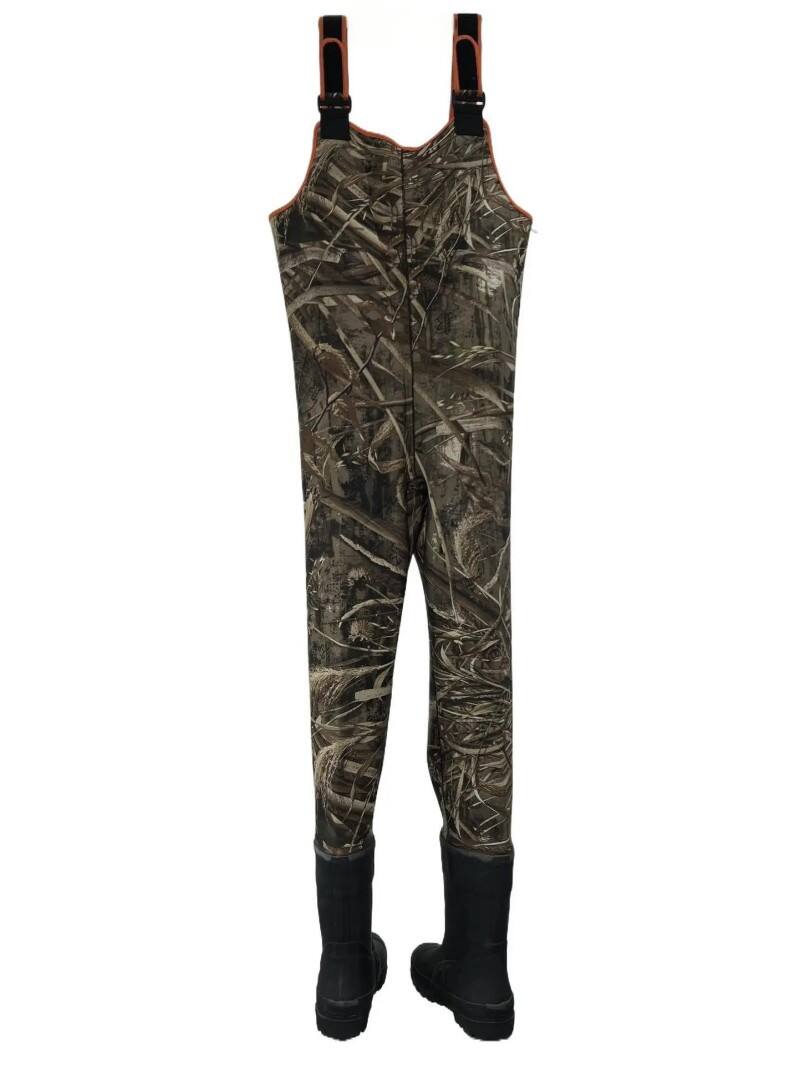
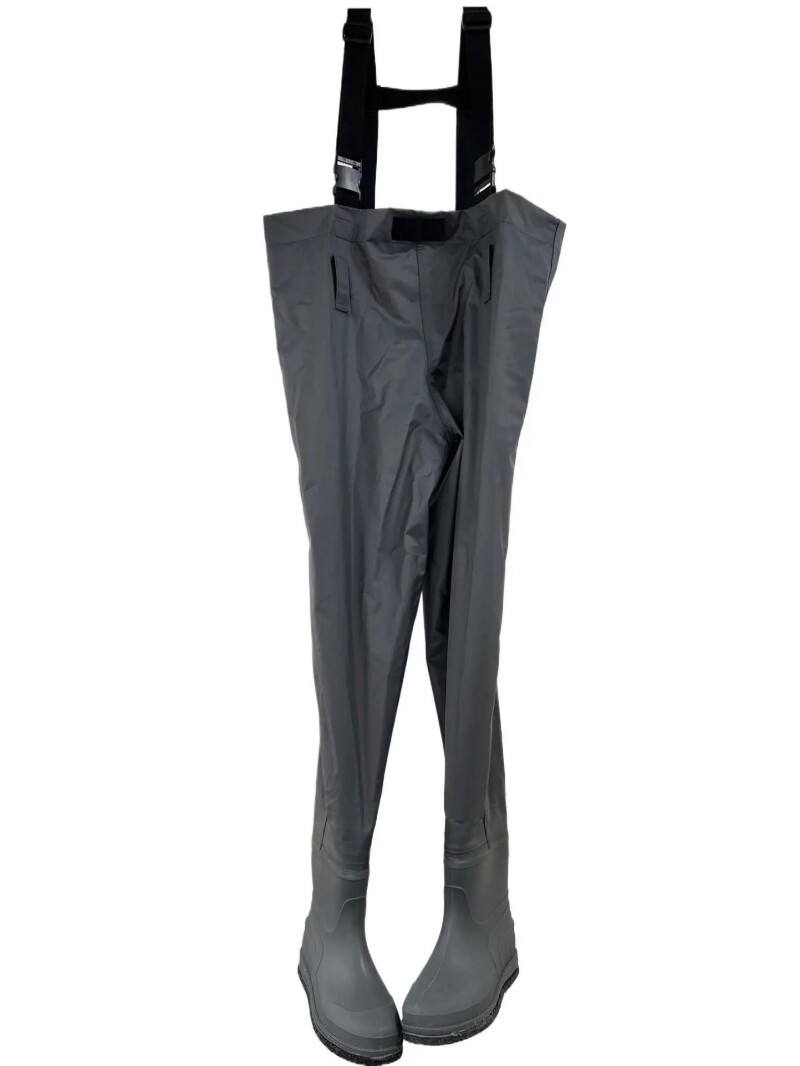
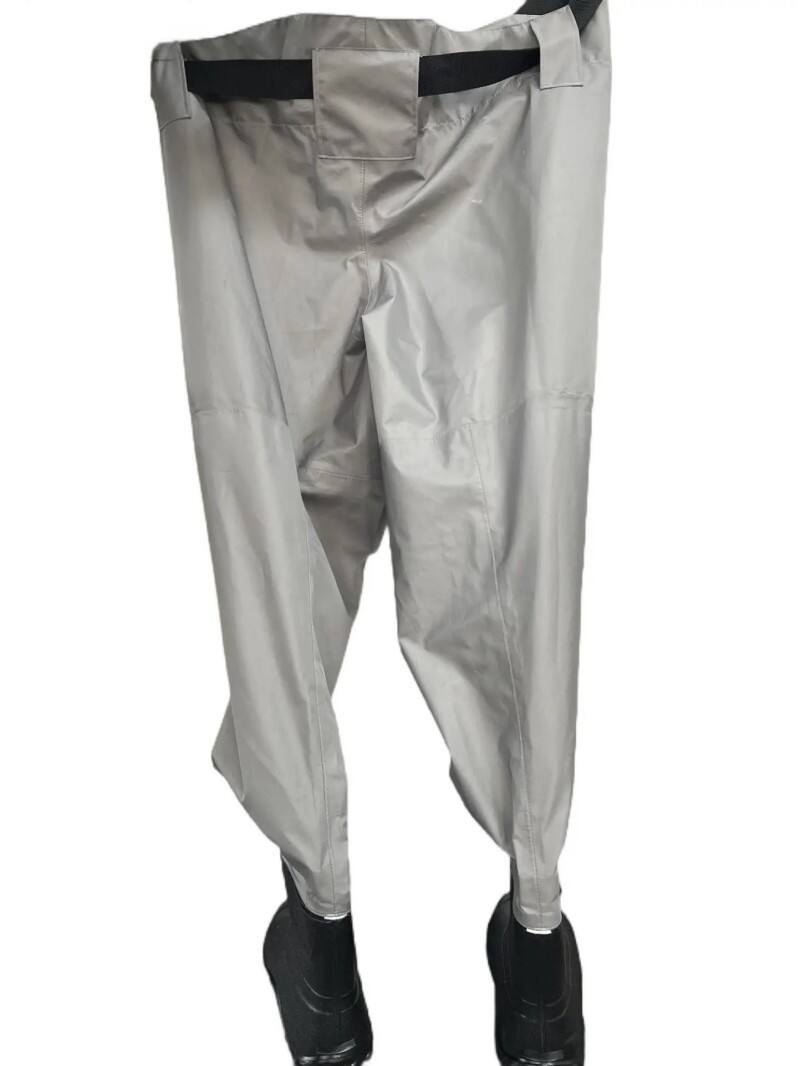
Versatile Applications and Professional Performance Benefits
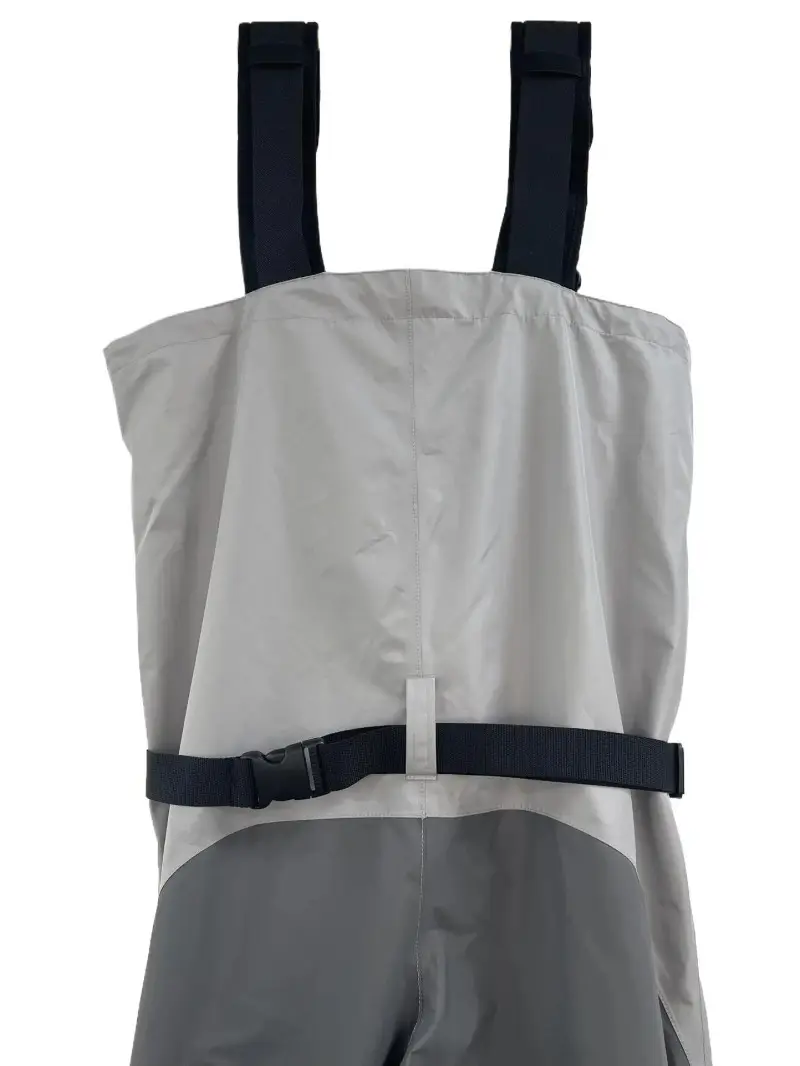
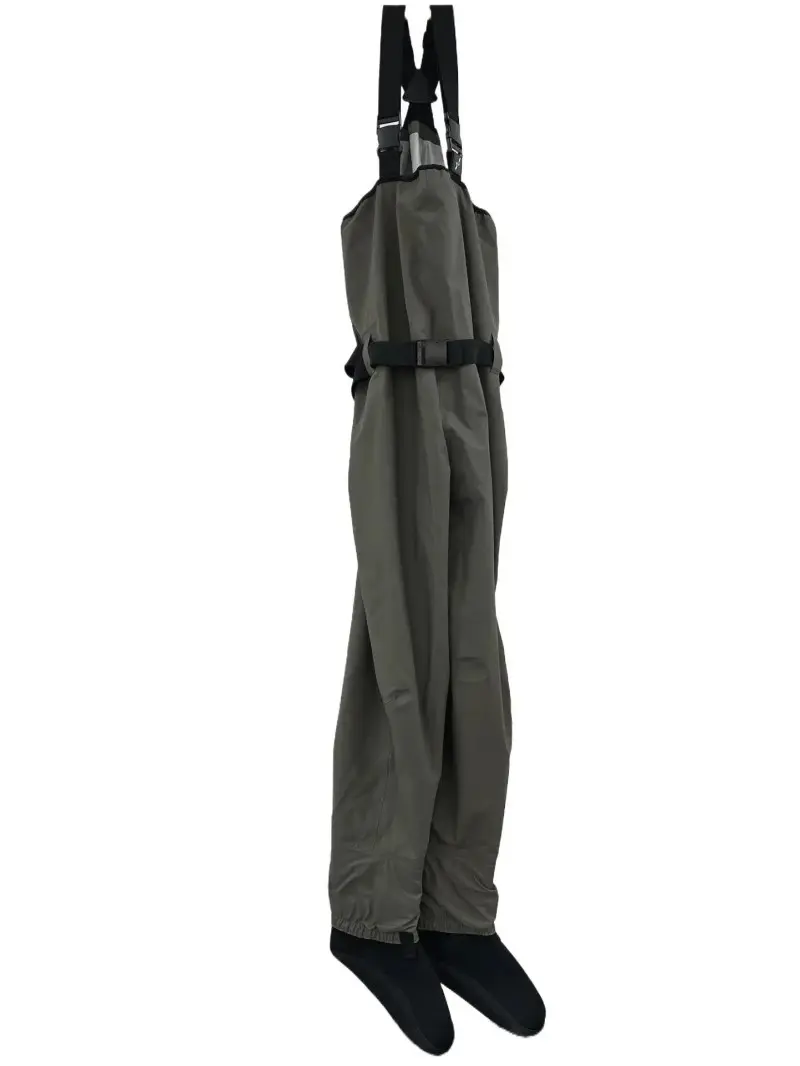
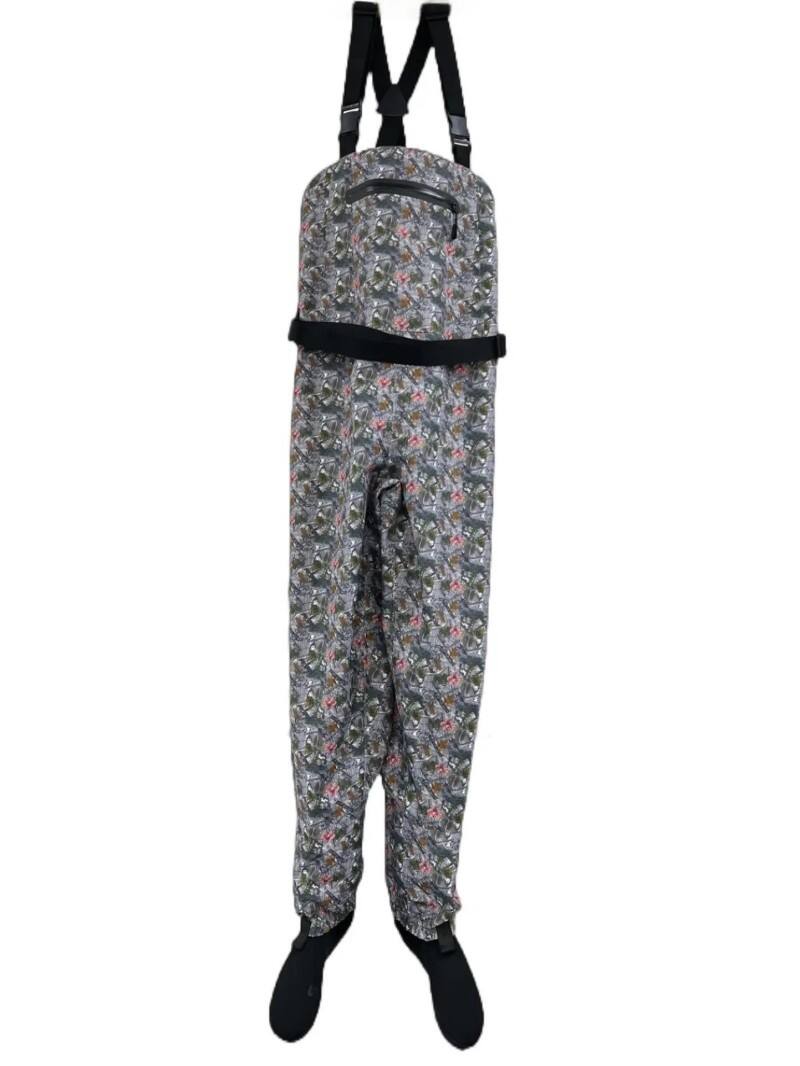
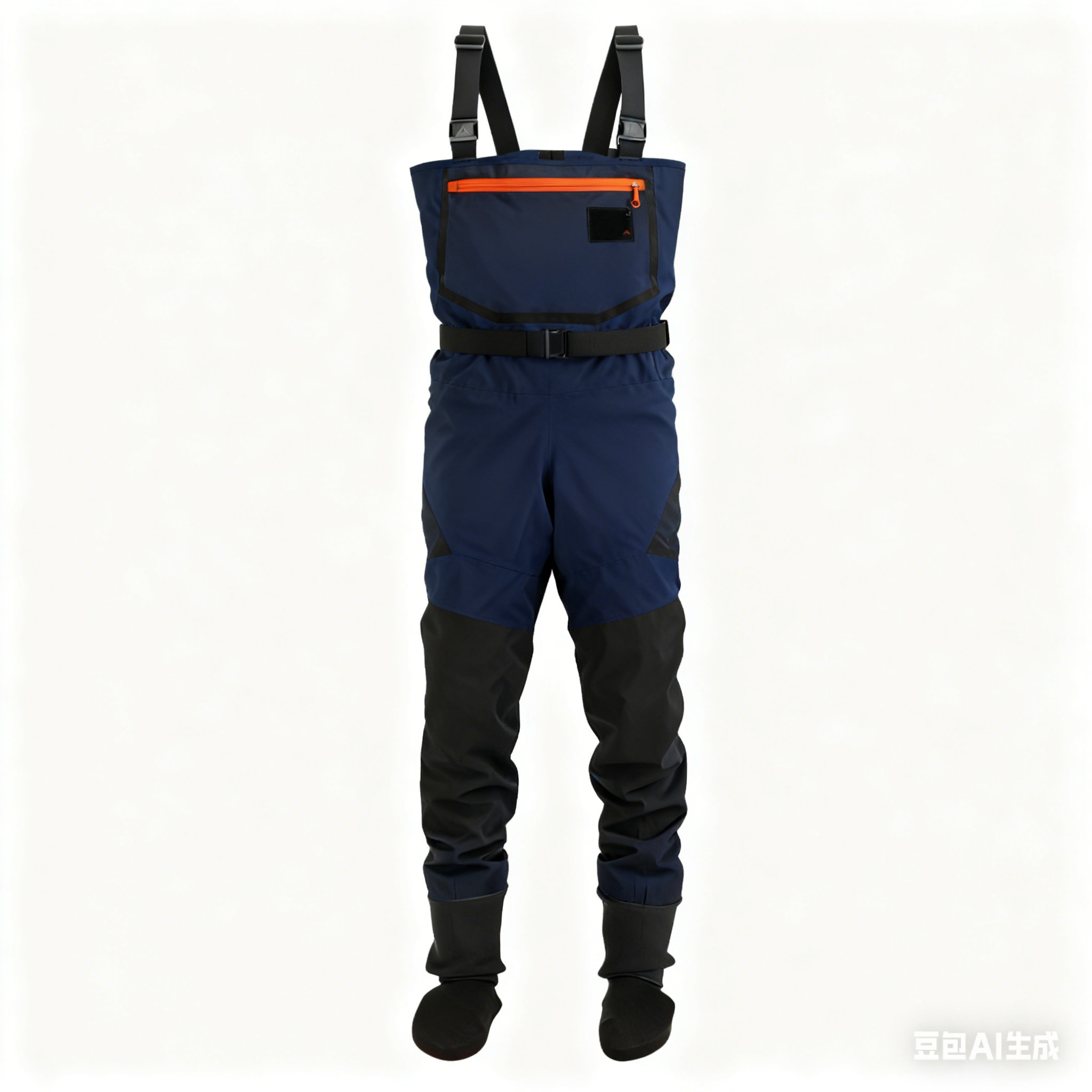
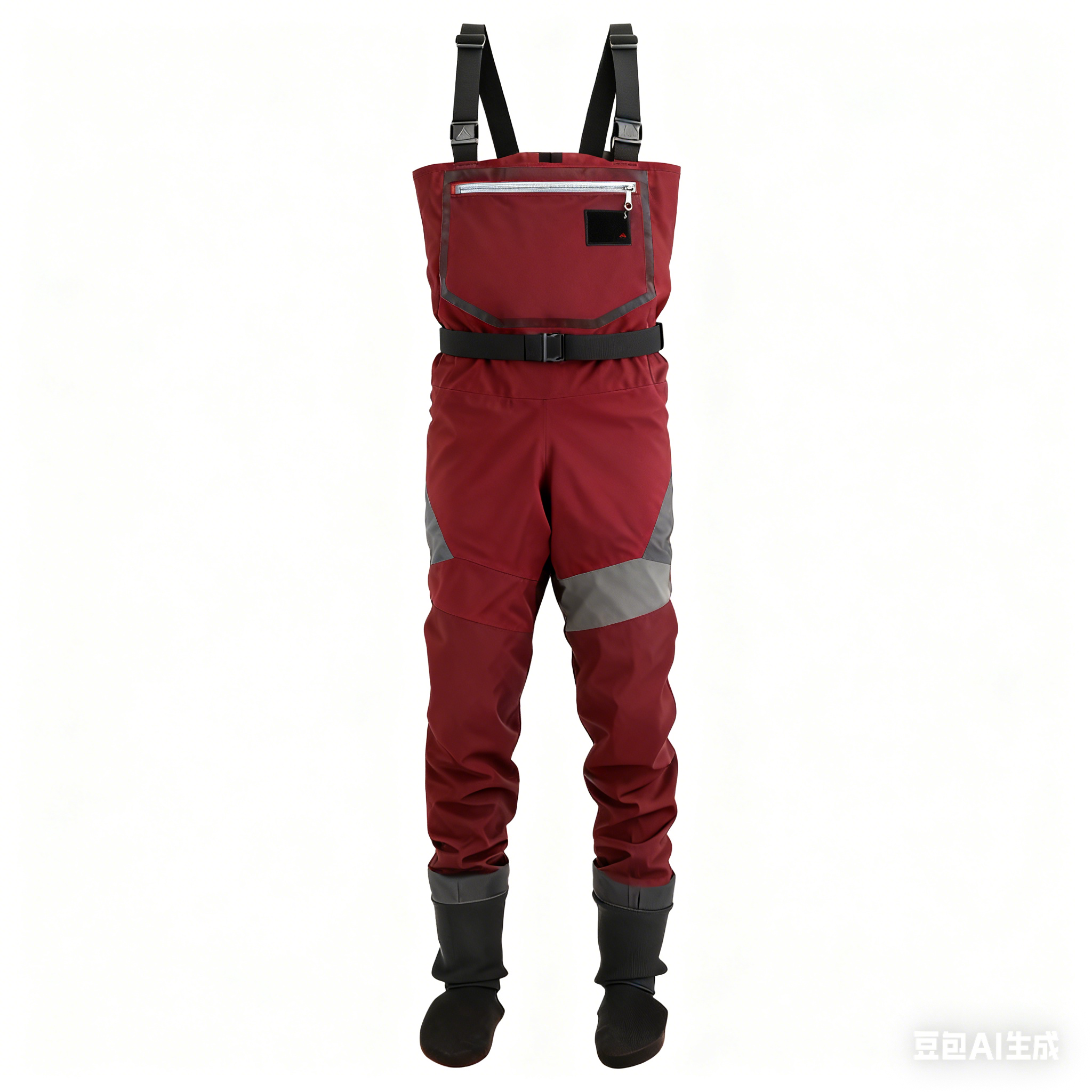
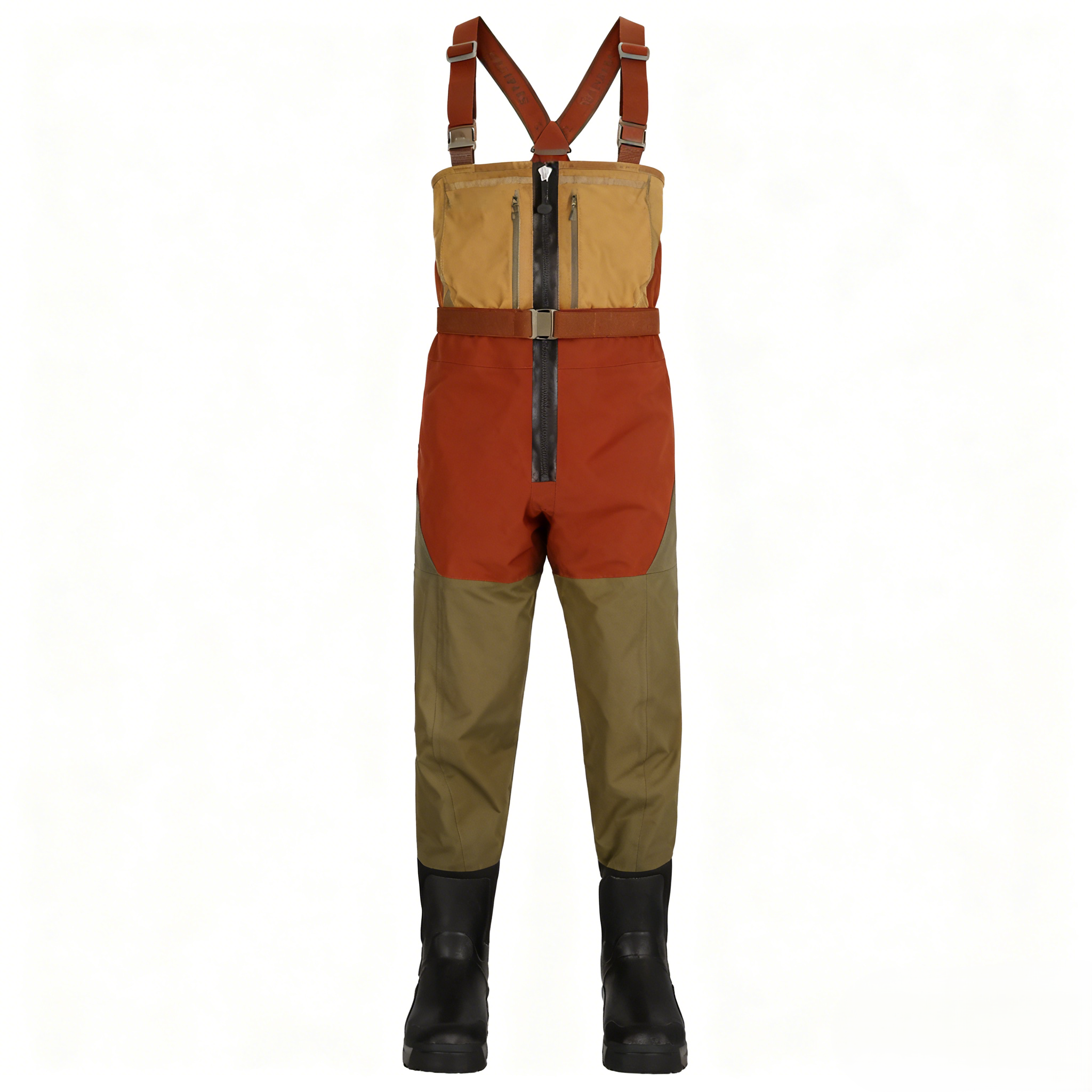
The versatility of leg waders extends across numerous professional sectors and recreational activities, making them invaluable assets for anyone requiring reliable waterproof protection in challenging environments. Agricultural professionals depend on leg waders during irrigation maintenance, livestock care, and crop management activities where water exposure is inevitable and protection is essential for health and productivity. Aquaculture specialists utilize leg waders for pond management, fish harvesting, and facility maintenance tasks that require direct contact with water while maintaining dry conditions for equipment and personal comfort. Industrial workers in food processing, chemical manufacturing, and waste management facilities rely on leg waders to protect against liquid spills, chemical splashes, and contaminated water sources that could pose health risks or compromise work quality. Construction professionals working on bridge projects, tunnel construction, or foundation work benefit from leg waders that enable them to operate safely in flooded conditions while maintaining mobility and dexterity required for precise tasks. Emergency response teams utilize leg waders during flood rescue operations, environmental cleanup efforts, and disaster recovery situations where waterproof protection is critical for personnel safety and operational effectiveness. Recreational users including anglers, hunters, and outdoor enthusiasts appreciate how leg waders expand their activity options by providing confident protection in streams, marshes, and wetland environments previously inaccessible with standard clothing. The professional performance benefits of leg waders include enhanced productivity through elimination of work interruptions caused by wet conditions, improved safety margins in hazardous environments, and reduced equipment costs through protection of clothing and gear from water damage. Research scientists conducting fieldwork in aquatic ecosystems depend on leg waders to maintain focus on data collection rather than personal comfort, enabling more thorough and accurate studies in challenging environments where conventional protective gear would prove inadequate for sustained professional performance requirements.

 EN
EN